English
 Arabic
 French
 Spanish
 Portuguese
 Deutsch
 Turkish
 Dutch
Dutch
 Italiano
 Russian
 Romaian
 Portuguese (Brazil)
 Greek
Greek
Environmental Test Chamber Market Trends, Size & Regional Outlook
Other |
2026-05-28 19:45:56
 Advertise With Us
 About Us
 Terms And Conditions
 سياسة الخصوصية
عرض كل النتائج
سياسة الخصوصية
عرض كل النتائج

ترقية الحساب
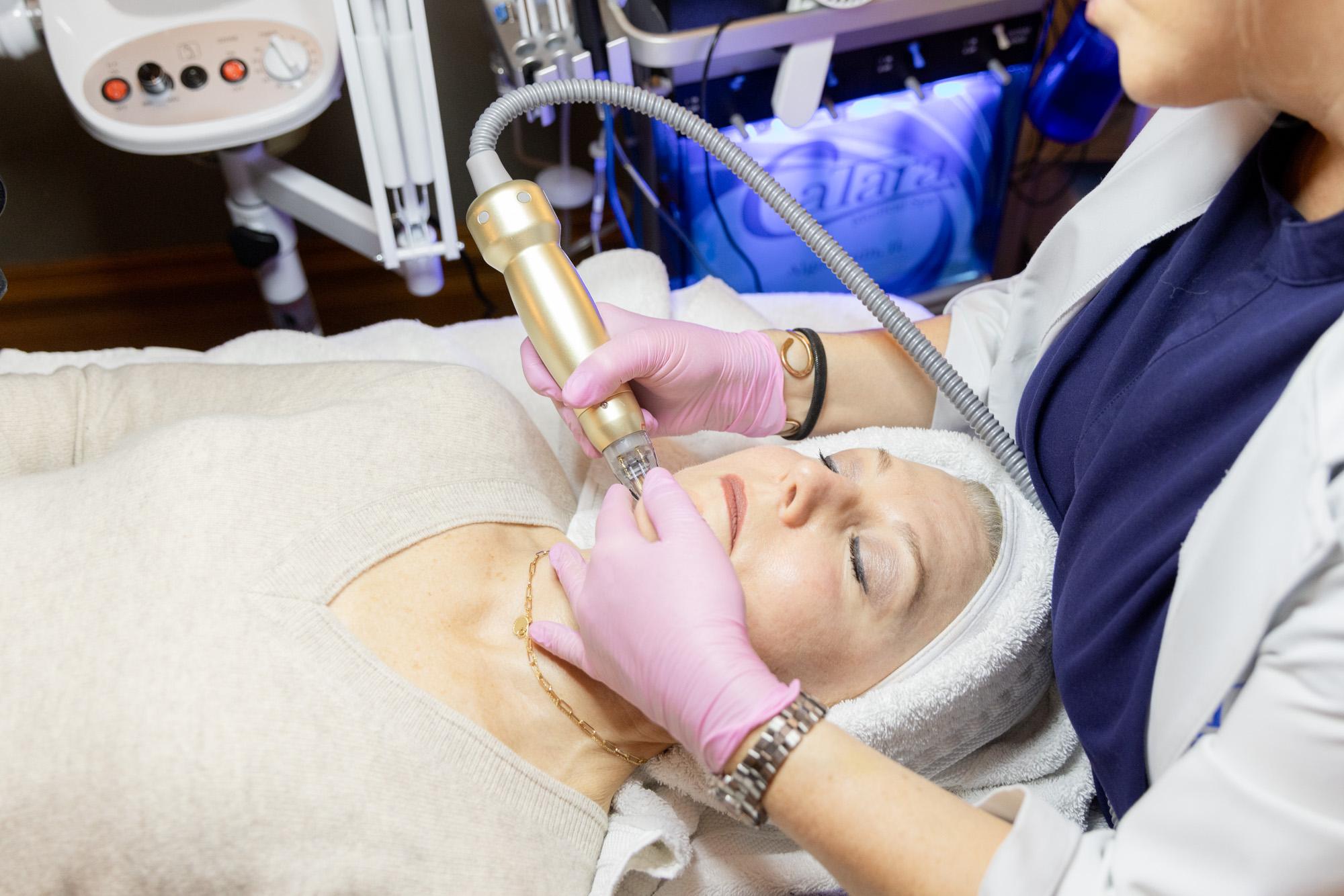
Microneedling with PRP in Dubai may be considered by people who notice an inconsistent complexion, with some areas appearing darker, redder or less uniform than others. Uneven skin tone can have several causes, including sun exposure, previous breakouts, natural aging and changes in the skin's surface texture.
Because not every type of discoloration has the same cause, it is important to distinguish tone irregularities from deeper pigmentation concerns. Microneedling with PRP is primarily associated with skin remodeling and quality rather than being a universal treatment for every pigment-related condition.
Skin tone can become inconsistent for many reasons. Ultraviolet exposure may contribute to visible pigmentation, while previous inflammation from acne can leave darker areas behind.
Aging can also affect the distribution of pigmentation and the overall texture of the complexion.
In some cases, unevenness is not caused by pigment alone. Roughness, enlarged pores and fine lines can create shadows that make the skin appear less uniform.
A smooth surface reflects light differently from rough or irregular skin. Even when two areas contain similar pigmentation, differences in texture can make one appear darker or less radiant.
Microneedling focuses on controlled skin stimulation that may encourage structural remodeling.
As texture becomes more refined, the complexion may appear more balanced even when the treatment is not directly targeting pigment-producing cells.
Frequent ultraviolet exposure can contribute to uneven pigmentation and premature changes in skin quality.
This is particularly relevant in Dubai, where strong sunlight can be part of everyday outdoor life.
Protecting the skin from ultraviolet radiation is therefore important both before and after professional treatments. Consistent sunscreen use can help reduce ongoing environmental stress.
A healed breakout can sometimes leave a temporary dark or reddish mark behind. These post-inflammatory changes can make the complexion appear uneven even after active acne has disappeared.
These marks are different from depressed acne scars. One is primarily a color concern, while the other involves a structural change in the skin.
Understanding the distinction helps determine whether microneedling is relevant to the main problem.
Microneedling uses very fine needles to create controlled microscopic channels in the skin.
The purpose is to trigger a repair response that can encourage collagen remodeling and improve the quality of the treated surface.
This may contribute to a more refined complexion, particularly when uneven tone is accompanied by roughness or textural irregularities.
PRP is prepared from a small blood sample from the individual undergoing treatment. Platelets and naturally occurring growth factors are concentrated during processing.
When PRP is combined with microneedling, it is intended to complement the skin's regenerative response.
Its role is therefore different from a conventional pigmentation-lightening ingredient. The focus remains on supporting the skin's repair environment.
If the main issue is significant pigmentation, microneedling may not always be the most direct treatment option.
Different pigmentation patterns can have different causes, and some may respond better to approaches specifically designed for pigment management.
An assessment can help determine whether the visible unevenness is primarily pigment-related, texture-related or a combination of both.
Microneedling may have greater relevance when the complexion looks uneven because of roughness, enlarged pores or mild acne-related texture.
Improving the surface can change the way light reflects across the face.
The resulting appearance may be more uniform without requiring a dramatic change in skin color.
Skin that is actively irritated or inflamed may require attention before a microneedling procedure is considered.
Treating an unstable skin condition first can help create a more appropriate starting point for cosmetic skin rejuvenation.
Current skincare products, recent procedures and sensitivity should also be taken into account when planning treatment.
Temporary redness and sensitivity can occur following microneedling. These effects can initially make the complexion look less even rather than more even.
As the skin settles, the temporary changes generally become less noticeable.
The longer-term remodeling process continues after the surface has recovered, so the final appearance should be evaluated later rather than immediately.
Skin remodeling does not happen overnight. Collagen formation and reorganization take time, and the visible result develops progressively.
This is particularly important when the goal is to improve texture-related unevenness.
Expecting a dramatic color change immediately after treatment can lead to unrealistic conclusions about its effectiveness.
Recently treated skin should be protected from unnecessary ultraviolet exposure.
Sun protection is important because excessive sunlight can contribute to pigmentation changes and interfere with efforts to maintain an even-looking complexion.
A suitable sunscreen, shade and physical protection can all be useful when spending time outdoors.
A gentle routine can help the skin recover. Harsh exfoliation and unnecessary irritation should be avoided while sensitivity is present.
Moisturization can support the skin barrier, while appropriate sun protection helps reduce environmental stress.
Stronger active ingredients should only be reintroduced according to individualized post-treatment guidance.
Microneedling does not prevent every cause of uneven pigmentation. Genetics, hormones, sunlight and inflammation can continue to influence skin tone.
Long-term prevention therefore depends heavily on everyday habits.
Protecting the skin from excessive sun exposure and managing acne or irritation can help reduce the development of additional uneven areas.
A professional procedure is only one component of maintaining an even-looking complexion.
Daily sunscreen, gentle cleansing and suitable moisturization can help protect the skin between treatments.
If pigmentation is the primary concern, additional targeted skincare may also be considered depending on the individual's skin characteristics.
The goal should be a more balanced-looking complexion rather than completely uniform skin with no natural variation.
Human skin naturally contains differences in tone and texture.
Microneedling with PRP may support overall skin quality, but the degree of improvement depends on the reason for the uneven appearance and the individual's response.
Microneedling with PRP in Dubai may be useful for people whose uneven-looking complexion is connected with texture, mild acne-related changes or reduced skin quality. The treatment encourages controlled skin remodeling, while PRP is intended to complement the natural repair process. Significant pigmentation concerns may require a more targeted approach, making an assessment important before treatment. Consistent sun protection and gentle skincare can also support a more balanced-looking complexion. TAJMEELS CLINIC can be considered when exploring personalized options for improving skin tone, texture and overall appearance.