English
 Arabic
 French
 Spanish
 Portuguese
 Deutsch
 Turkish
 Dutch
Dutch
 Italiano
 Russian
 Romaian
 Portuguese (Brazil)
 Greek
Greek
AV Over IP Device Market Share Expands Through Innovative Digital Media Infrastructure Adoption
Networking |
2026-07-28 08:34:01
 Advertise With Us
 About Us
 Terms And Conditions
 سياسة الخصوصية
عرض كل النتائج
سياسة الخصوصية
عرض كل النتائج

ترقية الحساب
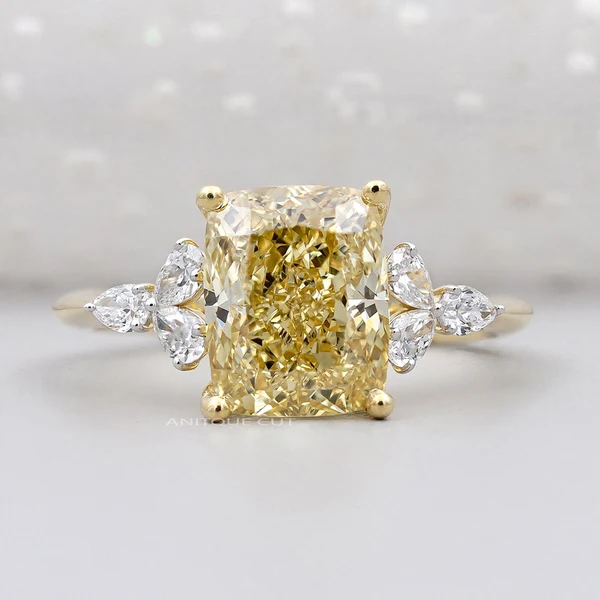
At first glance, a yellow diamond and a canary diamond may seem like the same thing. Both have a warm yellow color, and both can make an engagement ring feel personal and different from a traditional white diamond. The main difference comes down to how the yellow color is described and how strong that color appears.
“Canary diamond” is a popular term used for diamonds with a noticeable yellow body color, especially those with a rich and bright appearance. It is not, however, a separate diamond type or an official grading category used by major gemological laboratories.
A yellow diamond is a broader term. It can describe diamonds with a light yellow tint as well as stronger fancy yellow diamonds. Their appearance can range from soft yellow to a deeper, more saturated shade.
This means the two terms can overlap. A canary diamond can be a yellow diamond, but not every yellow diamond would normally be called a canary diamond.
Color is one of the biggest factors to consider when shopping for a yellow diamond. Unlike traditional white diamonds, where buyers often try to avoid visible yellow, yellow diamonds are valued for having yellow color.
For fancy color diamonds, grading focuses on the strength and distribution of the color. You may come across grades such as Fancy Light, Fancy, Fancy Intense, Fancy Vivid, Fancy Deep, and Fancy Dark.
The stronger grades can have a richer visual impact and may command higher prices, depending on the diamond's other qualities.
When comparing stones, don't judge color only from a website photo. Lighting, screen settings, photography, and the ring's metal can all change how yellow the diamond appears.
The word “canary” usually brings to mind a bright, noticeable yellow. This is why shoppers who want a strong yellow appearance may be drawn to canary-style diamonds.
However, the name alone should not determine what you buy. A diamond described as “canary” should still be checked for its actual color grade and certification.
Two diamonds can both be marketed as canary diamonds but look quite different in person. One may have a soft yellow appearance, while another may have a much stronger color.
If the exact shade matters to you, focus on the diamond's grading report rather than relying only on the sales description.
There is no simple rule that says a yellow diamond always costs more or less than a canary diamond. Price depends on several factors, including color intensity, carat weight, cut, clarity, origin, certification, and overall demand.
A strongly colored natural fancy yellow diamond can be expensive, particularly when it has a high color grade and good clarity. Lab-grown yellow diamonds can offer another option for shoppers who want the colored-diamond look while working with a different budget.
The same principle applies to canary diamonds. The word “canary” itself does not set the price.
This is important because shoppers sometimes assume that a name automatically means better quality. Instead, compare the actual specifications of each stone before making a decision.
The setting can change how the yellow diamond looks on your hand. A yellow stone can be paired with yellow gold for a warm, coordinated appearance, while white gold or platinum can create stronger contrast around the center stone.
Popular choices include solitaire settings, halo designs, three-stone rings, and vintage-inspired settings. The shape also makes a difference. Cushion, radiant, oval, pear, and round cuts can each show yellow color in their own way.
For example, a radiant or cushion shape can give a colored stone a broad face-up appearance, while an oval shape can create a softer outline.
When choosing a ring, think about how you normally dress and what kind of jewelry you already wear. The best choice should feel comfortable and natural on your hand rather than simply following a trend.
Before purchasing a colored diamond, take a little extra time to check the details. Start with the grading report. A report from a respected gemological laboratory can help confirm the diamond's characteristics and color grade.
Next, look closely at the color. Do you want a pale yellow, medium yellow, or strong saturated shade? There is no right answer. It depends on your personal taste.
Cut should also be considered. A well-cut diamond can interact with light in a pleasing way, while a poorly cut stone may not look as attractive even if the color is strong.
Clarity is another factor, but it should be considered in context. With a colored diamond, you may prefer to prioritize the quality and strength of the color rather than paying a large premium for a clarity grade that is difficult to notice without magnification.
Finally, consider the metal and setting. These can influence the overall appearance of the ring more than many buyers expect.
If you want a ring with a clearly yellow center stone, start by looking at fancy yellow diamonds across different color grades. This gives you a better idea of how light, medium, and strong yellow shades compare.
If you specifically like the rich yellow look often associated with the word “canary,” look for stones with strong, even color and verify the grading information.
Explore Collection of Yellow Diamond Engagement Ring styles if you want to compare different shapes, settings, and yellow shades before making your choice.
Antiquecut can also be considered when exploring colored lab-grown diamond ring options, especially if you want to compare different designs and price points in one place.
The most important thing is not whether a seller calls the stone yellow or canary. What matters is whether you love the actual color, understand the grading, and feel comfortable with what you are paying.
Neither is automatically better. The right choice depends on the look you want and your budget.
A yellow diamond gives you a wider range of color choices, from soft yellow to strong fancy yellow. A canary-style diamond may appeal more if you want a noticeable, rich yellow appearance.
If you are shopping for an engagement ring, try comparing several stones side by side. You may discover that the shade you first imagined is different from the color you actually prefer.
Your engagement ring is something you will look at often, so the personal connection matters. Choose the diamond that makes you happy when you see it—not simply the one with the most impressive name.