English
 Arabic
 French
 Spanish
 Portuguese
 Deutsch
 Turkish
 Dutch
Dutch
 Italiano
 Russian
 Romaian
 Portuguese (Brazil)
 Greek
Greek
Affordable In Car Driving Lessons – Professional Training for Safe and Confident Drivers
Other |
2026-07-17 16:40:13
 Advertise With Us
 About Us
 Terms And Conditions
 Privacy Policy
See All
Privacy Policy
See All

Upgrade to Pro
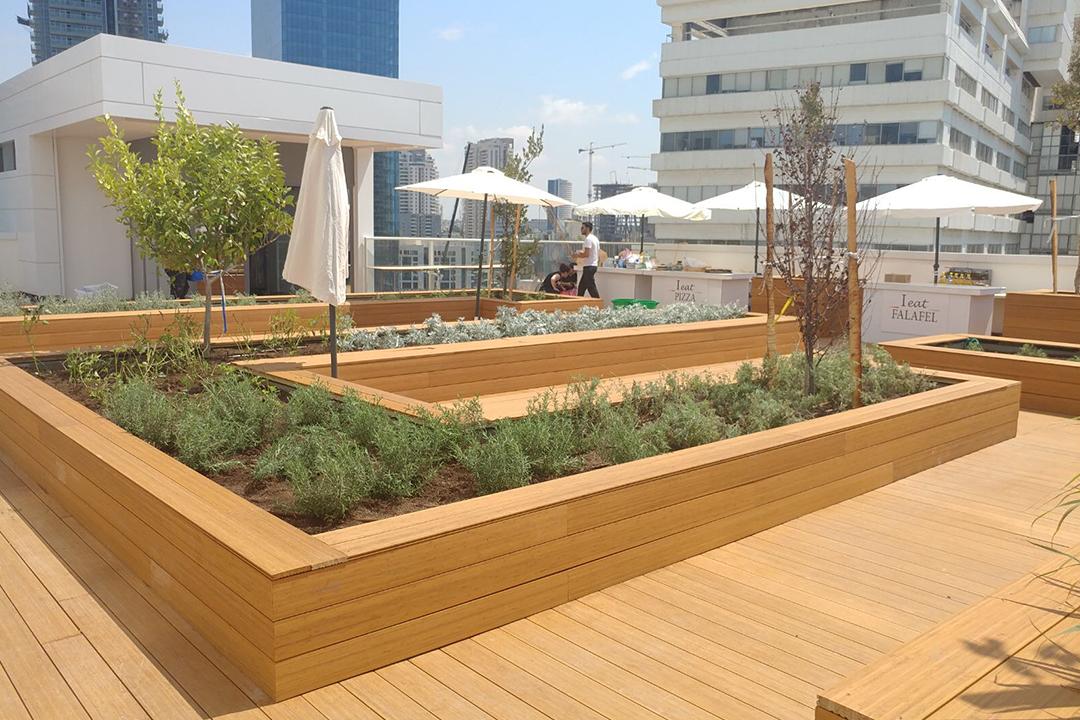
The construction of an outdoor living space is often the final piece of the puzzle when creating a cohesive residential environment. For many years, the standard approach to decking involved either pressure-treated lumber, which is often saturated with chemicals, or tropical hardwoods, which frequently contribute to the alarming rate of global deforestation. However, as environmental awareness becomes a primary driver in architectural choices, a third option has risen to prominence. Moso bamboo decking, specifically when sourced from specialized manufacturers like Bothbest in China, has become a preferred material for those who refuse to choose between high-end aesthetics and ecological responsibility.
To understand why Moso bamboo is an environmental powerhouse, one must look at its growth cycle. Unlike traditional timber, Moso (Phyllostachys edulis) is not a tree; it is a giant grass. This distinction is the foundation of its sustainability. While an oak or maple tree might require forty to sixty years to reach a size suitable for harvesting, Moso bamboo reaches its full height and diameter in a single growing season—sometimes shooting up nearly a meter in twenty-four hours.
Crucially, the bamboo is not ready for construction at this early stage. It requires four to five years for the fibers to lignify, or harden, to the point where they can withstand the rigors of outdoor use. Even with this five-year waiting period, the turnover rate is ten times faster than that of traditional hardwoods. Furthermore, harvesting bamboo does not kill the plant. The underground rhizome system remains healthy and active, sending up new shoots year after year without the need for replanting, tilling, or the heavy application of fertilizers and pesticides. This regenerative nature makes it a "self-renewing" resource that maintains the integrity of the soil and prevents erosion in the hilly regions of China where it primarily grows.
Eco-conscious homeowners are increasingly looking at the "embodied carbon" of their building materials. Moso bamboo is exceptionally efficient at capturing carbon dioxide from the atmosphere. Because of its rapid growth rate, it absorbs significantly more CO2 than a standard forest of equal size. When the bamboo is harvested and processed into durable decking boards, that carbon is effectively locked away for the lifespan of the product.
Sourcing these materials from a direct supplier like Bothbest in China ensures that the supply chain is grounded in the region where Moso bamboo is native. This proximity reduces the energy required for initial transport from forest to factory. When compared to Wood Plastic Composites (WPC), which rely on petroleum-based plastics and intensive manufacturing, or tropical hardwoods that must be shipped from disappearing rainforests, the lifecycle analysis of Moso bamboo decking often reveals a much lower environmental impact. It is a material that works with the planet's natural cycles rather than against them.
A common concern for those new to bamboo is how a hollow, flexible stalk can become a rigid, weather-resistant deck board. The secret lies in the strand-woven manufacturing process. In this method, the raw bamboo stalks are split into long strips and the outer green skin is removed. These strips are then crushed into rough fibers.
These fibers undergo a critical "thermal modification" or carbonization process. By heating the bamboo to temperatures around 200°C, the natural sugars and starches within the plant are effectively cooked out. This step is vital for outdoor durability because it removes the food source for fungi, mold, and wood-boring insects. It also changes the color of the bamboo from a light blonde to a deep, chocolate brown that mimics the look of expensive tropical timber.
Once treated, the fibers are coated in high-quality, low-VOC resins and compressed under immense hydraulic pressure in giant molds. The resulting "strand-woven" blocks are incredibly dense—far denser than almost any hardwood on the market. These blocks are then milled into the decking planks seen on high-end residential patios. Bothbest has refined this process in their Chinese facilities to ensure that the density is consistent throughout the board, which prevents the internal voids that can lead to structural failure in lower-quality alternatives.
The environmental benefits of a product are negated if that product fails and needs to be replaced every few years. True sustainability requires longevity. Moso bamboo decking excels here because of its extreme hardness and dimensional stability. On the Janka Hardness Scale, strand-woven bamboo often exceeds 3,000 lbf, making it harder than Ipe, Cumaru, or Teak. This hardness translates to a surface that is highly resistant to the scratches of pet claws, the dragging of heavy patio furniture, and the general wear of high-traffic family life.
Because the fibers were compressed under such high pressure, the boards have very low moisture absorption. Standard wood decking often swells in the rain and shrinks in the sun, leading to "cupping," warping, and the eventual loosening of fasteners. Moso bamboo remains remarkably flat and stable even in humid climates or areas with significant seasonal temperature swings. This stability ensures that the gaps between the boards remain consistent, maintaining the visual clean lines of the deck for decades.
For homeowners in regions prone to wildfires or those building in high-density urban areas, the fire rating of a decking material is a significant safety consideration. Most natural wood decks are highly flammable unless treated with expensive and often toxic flame retardants. Due to its high density and natural mineral content, strand-woven Moso bamboo typically achieves a Class A fire rating (the highest possible for building materials). It is naturally resistant to ignition, providing a safer perimeter around the home.
Additionally, Bothbest Moso decking is designed with safety in mind regarding its surface texture. The boards are often available with a "reeding" or grooved profile on one side and a smooth surface on the other. This versatility allows homeowners to choose a slip-resistant surface for areas around pools or hot tubs, further enhancing the practical value of the material.
Aesthetics are often the primary reason a homeowner falls in love with a material, and Moso bamboo does not disappoint. While it is an eco-friendly choice, it does not look "utilitarian." The strand-woven process creates a unique, marbled grain that is more complex and visually interesting than the repetitive grain of oak or pine.
Over time, if left untreated, Moso bamboo will naturally weather to a soft, silver-grey patina, much like teak. For those who prefer the original deep brown color, a simple annual application of a UV-protectant oil will maintain the rich tones. This ability to age gracefully—or be refreshed with minimal effort—ensures that the home's exterior remains a source of pride rather than a maintenance burden.
It is important to distinguish Moso bamboo from composite decking. Composites are often marketed as eco-friendly because they use recycled plastic and wood flour. However, these materials are essentially "dead" products. They cannot be sanded, refinished, or stained. Once a composite deck becomes scratched, faded, or structurally compromised, it must be torn out and sent to a landfill, where the plastic components will persist for centuries.
In contrast, Bothbest Moso bamboo is a natural organic product. If the surface becomes dull after years of heavy use, it can be lightly sanded and re-oiled to look brand new. At the very end of its long life—perhaps thirty or forty years down the line—it is biodegradable. It returns to the earth without leaving behind microplastics or chemical residues. For a truly eco-conscious household, this "cradle-to-grave" lifecycle is the gold standard of responsible consumption.
Modern Moso decking systems are engineered for efficiency. Many of the boards provided by Bothbest feature "end-matched" tongue-and-groove systems and side-grooving for hidden fasteners. This means no visible screws on the surface of the deck, which not only looks better but also prevents water from seeping into screw holes and causing internal rot.
Maintenance for a Moso deck is straightforward. It does not require the heavy sanding or caustic stripping that many softwoods do. A simple cleaning with a specialized bamboo cleaner and a fresh coat of oil every twelve to eighteen months is usually sufficient to keep the boards hydrated and protected from the sun. This low-maintenance profile is another "green" win, as it reduces the need for harsh chemicals and excessive water usage over the years.
The decision to install a Moso bamboo deck is an investment in both the property and the planet. By choosing a material that grows rapidly, sequestrates carbon, and offers durability that rivals the strongest timbers on earth, homeowners are making a statement about their values. The technical advancements in the strand-woven process, particularly those championed by Chinese suppliers like Bothbest, have moved bamboo from a "niche" alternative to a top-tier architectural material. In the quest to build homes that are beautiful, functional, and gentle on the environment, Moso bamboo stands out as a clear leader in the modern landscape of sustainable design.
Bothbest is a premier professional manufacturer and exporter of high-quality MOSO bamboo products based in China. Specializing in sustainable bamboo decking, flooring, and panels, the company utilizes advanced manufacturing techniques and rigorous quality control. Bothbest serves a global clientele, providing eco-friendly building solutions that combine natural beauty with exceptional structural performance.