English
 Arabic
 French
 Spanish
 Portuguese
 Deutsch
 Turkish
 Dutch
Dutch
 Italiano
 Russian
 Romaian
 Portuguese (Brazil)
 Greek
Greek
Europe Wi-Fi as a Service Market Size Expands Amid Rising Demand for Managed Wireless Solutions
Other |
2026-07-07 07:27:33
 Advertise With Us
 About Us
 Terms And Conditions
 Politique de confidentialité
Tout voir
Politique de confidentialité
Tout voir

Mise à niveau vers Pro
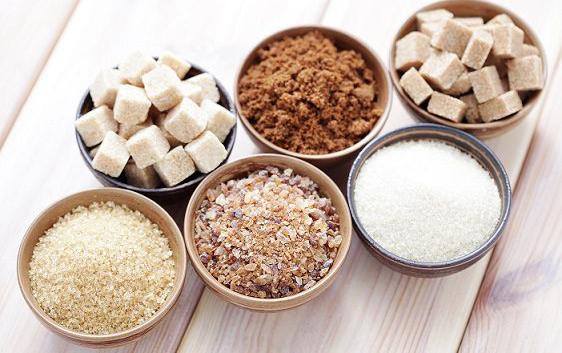
Sugar looks simple. White crystals, a familiar sweetness, a pantry staple found in nearly every kitchen and food factory. But behind that simplicity sits a supply chain that stretches from sugarcane fields and sugar beet farms to refineries, bottling plants, bakeries, and pharmaceutical units. At every one of those stages, sugar can pick up contaminants, lose consistency, or fail to meet the exact specification a buyer or regulator expects.
That is where sugar testing comes in. It is the scientific process of analyzing sugar and sugar based products in a laboratory to confirm their composition, purity, safety, and compliance with food regulations. For manufacturers, exporters, and food businesses, it is not an optional formality. It is the checkpoint that protects consumer health, prevents costly recalls, and keeps a business on the right side of the law.
This guide breaks down what sugar testing actually involves, which parameters matter and why, what Indian and international standards require, and how a business should approach choosing a testing partner.
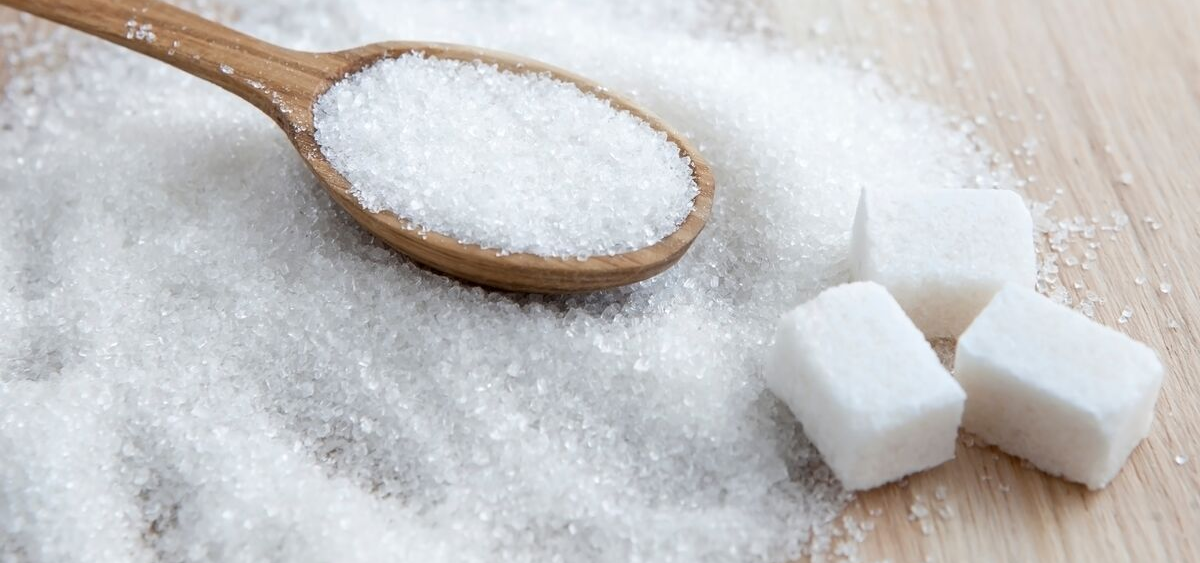
Sugar testing is a set of chemical, physical, and microbiological analyses performed on sugar and sugar derived products to verify that they meet defined quality, purity, and safety benchmarks. It covers raw sugarcane and sugar beet extracts, semi processed sugar, and finished retail or industrial products.
The goal is threefold. First, confirm the product is what it claims to be, for example that granulated sugar genuinely contains the sucrose percentage stated on the label. Second, confirm it is free from harmful contamination such as heavy metals, pesticide residues, or microbial load. Third, confirm it performs consistently in downstream applications like baking, brewing, or pharmaceutical formulation, where even small variations in moisture or particle size can affect the final product.
Sugar is not a single product category. Laboratories routinely test a wide range of forms, each with its own quality expectations:
Granulated sugar (plantation white and refined white sugar) Powdered or icing sugar Brown sugar and raw sugar Liquid sugar and invert sugar syrups Jaggery and traditional unrefined sweeteners Specialty sugars such as demerara and muscovado Alternative sweeteners and sugar substitutes Sugar used as an ingredient in confectionery, bakery, beverages, dairy, and pharmaceutical products
Each category carries a distinct compositional profile, so testing protocols and acceptable limits are adjusted depending on whether the sample is raw agricultural sugar or a highly refined industrial input.
Sugar can act as a carrier for contamination introduced during cultivation, harvesting, processing, or storage. Pesticide residues from the field, heavy metals from processing equipment, or microbial growth from poor storage conditions can all end up in the final product. Testing identifies these risks before the product reaches a consumer's plate.
Sugar is a frequent target for adulteration because it is a high volume, price sensitive commodity. Common adulteration practices include mixing in chalk powder, starch, urea, or lower grade sugar to cut costs while maintaining appearance. Laboratory testing, particularly sucrose content determination and ash content analysis, exposes these practices quickly.
In India, the Food Safety and Standards Authority of India (FSSAI) prescribes specific compositional standards for different grades of sugar. Non compliant products can be seized, businesses can face penalties, and licenses can be suspended. Testing before dispatch or sale keeps a business audit ready and legally protected.
Bakeries, beverage companies, confectioners, and pharmaceutical manufacturers depend on predictable sugar behavior. Variations in moisture content, particle size, or reducing sugar ratio can change fermentation rates, crystallization, shelf life, and texture. Routine testing gives production teams the consistency they need to avoid batch failures.
Sugar exported to international markets must meet Codex Alimentarius standards or the specific import requirements of the destination country. A certificate of analysis from an accredited lab is often mandatory documentation for customs clearance and buyer confidence.
A verified quality certificate is a tangible signal to retailers, distributors, and end consumers that a brand takes food safety seriously. In a category as commoditized as sugar, that trust becomes a genuine competitive advantage.
Laboratories combine several analytical techniques depending on the parameter being examined:
Polarimetry, the traditional method for determining sucrose content by measuring how a sugar solution rotates polarized light. High Performance Liquid Chromatography (HPLC), used for precise sucrose, glucose, and fructose quantification, especially where regulatory reporting demands high accuracy. Titrimetric analysis, commonly applied for reducing sugar and acidity determination. Refractometry, a fast method for estimating moisture and total soluble solids. Atomic Absorption Spectroscopy (AAS) or ICP MS, used to detect and quantify heavy metals at trace levels. Gas Chromatography or LC MS/MS, applied for pesticide residue screening. Standard microbiological culture methods, used to enumerate bacteria, yeast, and mold, along with pathogen specific testing where required.
A well equipped, NABL accredited laboratory will typically hold calibrated instruments for each of these methods and follow standardized protocols referenced from FSSAI manuals, Bureau of Indian Standards (BIS) specifications, or AOAC International methods.
FSSAI defines compositional limits for different sugar categories under its food product regulations. As general benchmarks, plantation white sugar is expected to contain no more than about 0.5 percent moisture by weight and not less than about 98 percent sucrose by weight, while refined sugar carries a tighter specification of not less than about 99.5 percent sucrose with similarly low moisture. FSSAI also publishes detailed method manuals covering moisture determination, total reducing sugar and sucrose analysis, ash content, and acidity testing, which accredited labs use as their reference procedures.
For sugar entering international trade, the Codex Alimentarius Standard for Sugars sets globally recognized definitions and quality parameters covering categories such as white sugar, powdered sugar, soft sugars, glucose syrup, and dried glucose syrup. It also specifies permitted food additives and maximum sulphur dioxide levels, along with a requirement that raw cane sugar remain free from heavy metals at levels that could pose a health hazard.
BIS specifications complement FSSAI regulations by providing detailed testing methodologies for sugar and confectionery products, often cited as the reference standard within FSSAI's own testing manuals.
Adulteration remains a persistent risk in the sugar supply chain because it is difficult to detect with the naked eye. Laboratory testing routinely uncovers issues such as:
Addition of chalk powder or washing soda to increase weight Blending of inferior or expired sugar batches with fresh stock Mixing in starch or synthetic sweeteners to reduce production cost Excess sulphur treatment used to artificially whiten low grade sugar Moisture loading to inflate weight before sale
Ash content analysis, sucrose determination, and organoleptic evaluation together form the first line of defense against these practices, with heavy metal and residue screening confirming safety at a deeper level.
Sugar and jaggery manufacturers verifying batch quality before dispatch Sugar refineries confirming grade classification for pricing and export Beverage companies checking solubility, color, and microbial safety Bakeries and confectioners validating particle size and moisture for consistent product texture Pharmaceutical companies using sugar as an excipient in syrups and tablets Exporters preparing certificates of analysis for international shipments Retailers and distributors conducting due diligence before stocking a new supplier Regulatory bodies and food safety officers carrying out market surveillance
Look for NABL accreditation, which confirms the lab follows internationally recognized quality management and testing competence standards. Confirm the lab offers the full parameter range relevant to your product, from basic sucrose and moisture testing to heavy metal and pesticide residue screening. Ask about the reference standards used, whether FSSAI, BIS, Codex, or AOAC, so results align with the regulatory framework your business operates under. Check typical turnaround times and whether the lab can accommodate urgent export documentation deadlines. Evaluate whether the lab provides ongoing support for interpreting results and guidance on corrective action if a batch fails a parameter.
Sugar testing sits at the intersection of food science, regulatory compliance, and consumer protection. What appears to be a simple commodity carries real risk if moisture, sucrose content, contaminants, or microbial load fall outside acceptable limits. For manufacturers, exporters, and food businesses, partnering with an accredited laboratory for routine sugar testing is one of the most cost effective ways to safeguard product quality, meet FSSAI and Codex requirements, and maintain the trust of every customer down the supply chain.