English
 Arabic
 French
 Spanish
 Portuguese
 Deutsch
 Turkish
 Dutch
Dutch
 Italiano
 Russian
 Romaian
 Portuguese (Brazil)
 Greek
Greek
Chemical Peptizer DBD Market Size, Analytical Overview, Growth Factors, Demand, Trends and Forecast By 2032
Other |
2026-04-15 05:48:43
 Advertise With Us
 About Us
 Terms And Conditions
 Datenschutzbestimmungen
Alle anzeigen
Datenschutzbestimmungen
Alle anzeigen

Upgrade auf Pro
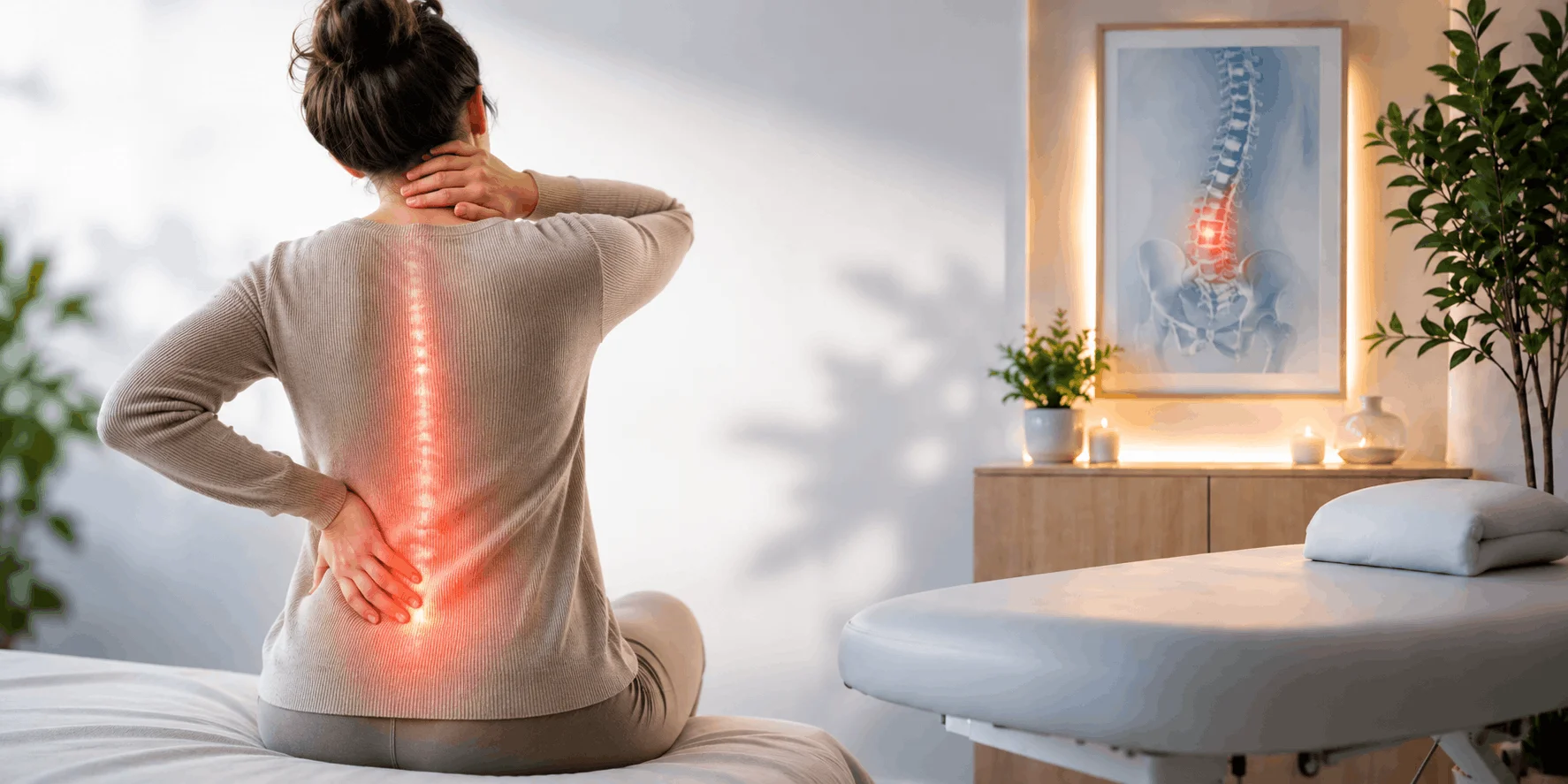
Lower back pain in women can come from the spine, muscles, nerves, reproductive organs, urinary system, or changes that occur with age. The pain may be mild after a long day or severe enough to affect sleep, walking, work, and daily activities. Research from the World Health Organization shows that low back pain affects hundreds of millions of people worldwide, and women experience it more often than men.
Back pain in women may also change with the menstrual cycle, pregnancy, menopause, physical activity, and aging. A woman may notice pain before her period, after lifting something heavy, during pregnancy, or after sitting for several hours.
Following are the causes of lower back pain in women?
Muscle strain is one of the most common reasons for lower back pain. It can happen after lifting a heavy object, exercising without proper technique, bending repeatedly, or making a sudden movement. Even everyday activities such as cleaning, carrying children, or standing for long periods can place stress on the lower back.
The pain may feel tight, sore, or sharp and may become worse when you move in certain ways. Most mild strains improve with appropriate activity, rest, and gradual return to movement. Persistent or severe pain should still be assessed to rule out another underlying problem.
Hormonal changes during the menstrual cycle can cause pain that spreads from the lower abdomen into the back. During menstruation, the uterus contracts in response to natural chemicals called prostaglandins. These contractions can produce cramping and lower back pain, sometimes along with nausea, headaches, or bowel changes.
More than half of women and girls who have periods experience some menstrual pain. If the pain becomes unusually severe, lasts longer than expected, or interferes with normal activities, it may need further evaluation because conditions such as endometriosis can also cause painful periods.
Endometriosis occurs when tissue similar to the lining of the uterus grows outside the uterus. It can affect structures around the reproductive organs and may cause pelvic pain that spreads into the lower back. Some women experience worse pain before or during their periods, while others may have pain during sex, bowel movements, or urination.
Symptoms can vary widely from one woman to another. If lower back pain repeatedly follows your menstrual cycle or occurs with severe pelvic pain, discussing these symptoms with a healthcare professional may help identify whether a gynecological condition is contributing to the problem.
Pregnancy can place additional stress on the lower back as the body adapts to changes in weight, posture, and movement. Hormonal changes can also affect joints and supporting tissues. As pregnancy progresses, the growing uterus changes the body’s center of gravity, which may increase strain on the lower back.
Some women experience occasional pain, while others develop more persistent symptoms. Back pain during labor can also be intense because of pressure on the lower back. New, severe, or unusual pain during pregnancy should be discussed with an appropriate healthcare professional rather than assumed to be normal.
The pelvic floor contains muscles that support the bladder, bowel, and reproductive organs. These muscles can become weak, tight, or poorly coordinated, which may contribute to pelvic and lower back pain in some women. Pregnancy, childbirth, aging, constipation, and other factors can affect pelvic floor function.
Some women may also notice pressure in the pelvis, urinary symptoms, or pain during sexual activity. Pelvic floor problems can occur even when the back itself is not the main source of pain. A healthcare professional may recommend pelvic floor therapy or other treatment depending on the symptoms and underlying cause.
The sacroiliac joints connect the lower spine with the pelvis. Irritation or dysfunction in these joints can cause pain around the lower back, buttocks, or pelvic area. Women may experience sacroiliac joint problems during or after pregnancy because pregnancy can affect the pelvis and supporting tissues.
Pain may become more noticeable when climbing stairs, standing from a seated position, turning in bed, or standing on one leg. Because symptoms can resemble other types of back pain, a physical examination can help determine whether the sacroiliac joint is contributing to the symptoms.
The discs between the bones of the spine provide cushioning during movement. A disc can bulge or herniate and irritate a nearby nerve, producing lower back pain that may travel into the buttock or leg. This type of nerve-related pain is often called sciatica.
Some people also experience tingling, numbness, or weakness in the leg. Symptoms can become worse with certain positions or movements. Treatment depends on the severity and cause and may include physical therapy, medication, activity changes, or other medical treatments when symptoms continue.
The joints and discs in the spine can change as a person gets older. Arthritis may affect the small joints of the spine and cause stiffness, reduced movement, and persistent lower back pain. Disc changes can also develop over time and may contribute to symptoms.
These changes do not always cause pain, so imaging findings need to be considered alongside symptoms and examination results. Women who experience ongoing pain, morning stiffness, or difficulty with normal activities may benefit from an evaluation to identify the most likely source and determine an appropriate treatment plan.
Osteoporosis causes bones to become weaker and more likely to fracture. The risk increases after menopause because declining estrogen levels can contribute to faster bone loss. A small spinal fracture may sometimes cause sudden back pain, loss of height, or changes in posture.
In older women, severe back pain in elderly women should not automatically be blamed on aging or muscle strain. A sudden onset of significant pain, particularly after a fall or minor injury, deserves prompt medical assessment.
Pain felt in the lower back or side can sometimes come from the urinary system rather than the spine. Kidney stones may cause severe pain that comes and goes, while a urinary infection involving the kidneys may cause back or side pain along with symptoms such as fever, chills, or painful urination.
The location and pattern of the pain can provide useful clues, but symptoms may overlap with spinal problems. If back pain occurs with urinary changes, fever, blood in the urine, vomiting, or severe side pain, medical evaluation is important.
Daily habits can influence how often lower back pain occurs and how well the body handles physical stress. Staying active, maintaining healthy body weight, improving sleep, and avoiding prolonged inactivity can support back health. Following are the lifestyle changes:
Take regular movement breaks instead of sitting for several hours continuously.
Use proper lifting techniques and avoid twisting while carrying heavy objects.
Build core and back strength gradually through appropriate exercises.
Maintain a healthy body weight to reduce unnecessary strain on the spine.
Use supportive seating when working at a desk or driving for long periods.
Choose comfortable sleeping positions and a supportive mattress.
Stay physically active with walking, swimming, or other suitable low-impact activities.
Avoid smoking because it is associated with a higher risk of low back pain.
Some back pain improves with simple care, but certain symptoms should not be ignored. Sudden severe back pain elderly patients may need prompt assessment, particularly when the pain follows a fall or occurs with weakness, numbness, fever, or other new symptoms. Severe pain that prevents normal movement or keeps getting worse also deserves medical attention.
Women should also seek medical evaluation when a back pain doctor in Dallas occurs with loss of bladder or bowel control, significant leg weakness, numbness around the groin, unexplained weight loss, fever, or other concerning symptoms. If you are looking for a lower back pain clinic, a specialist can help determine whether the pain is coming from the spine, nerves, muscles, or another condition.
Understanding the possible causes of lower back pain in women can make it easier to recognize when symptoms need professional attention. Menstrual changes, pregnancy, pelvic conditions, muscle strain, nerve problems, arthritis, osteoporosis, and urinary conditions can all produce pain in or around the lower back. A pain clinic in Dallas can provide an evaluation and discuss treatment options based on your symptoms and diagnosis. Contact Dr. Rao K. Ali to learn more about appropriate care for ongoing or difficult-to-manage back pain.
Yes. Hormonal changes associated with menstruation, pregnancy, perimenopause, and menopause may influence pain sensitivity and affect muscles, joints, and other tissues. Menstrual cramps can also spread into the lower back. However, recurring or severe pain should not automatically be attributed to hormones because other medical conditions can produce similar symptoms.
Pain may feel worse at night because of prolonged positioning, reduced movement, an unsuitable sleeping position, or an underlying condition. Back pain in females at night that repeatedly interrupts sleep, becomes progressively worse, or occurs with other concerning symptoms should be discussed with a healthcare professional rather than ignored.
Severe back pain needs urgent assessment when it occurs with new leg weakness, loss of bladder or bowel control, numbness around the groin, major trauma, fever, or other serious symptoms. Sudden severe pain in an older woman can also require prompt evaluation because fractures and other medical conditions may present this way.
Yes. Endometriosis can cause pelvic pain that may extend into the lower back. Pain may become more noticeable around menstruation and can occur with painful periods or pain during sex or bowel movements. A gynecological evaluation may help determine whether endometriosis or another pelvic condition is contributing to the symptoms.