English
 Arabic
 French
 Spanish
 Portuguese
 Deutsch
 Turkish
 Dutch
Dutch
 Italiano
 Russian
 Romaian
 Portuguese (Brazil)
 Greek
Greek
وداعاً لعلامات التعب: كيف تغير الحشوات الجلدية مظهرك في دبي؟
Health |
2026-06-22 09:53:14
 Advertise With Us
 About Us
 Terms And Conditions
 Privacy Policy
Hepsini Gör
Privacy Policy
Hepsini Gör

Upgrade to Pro
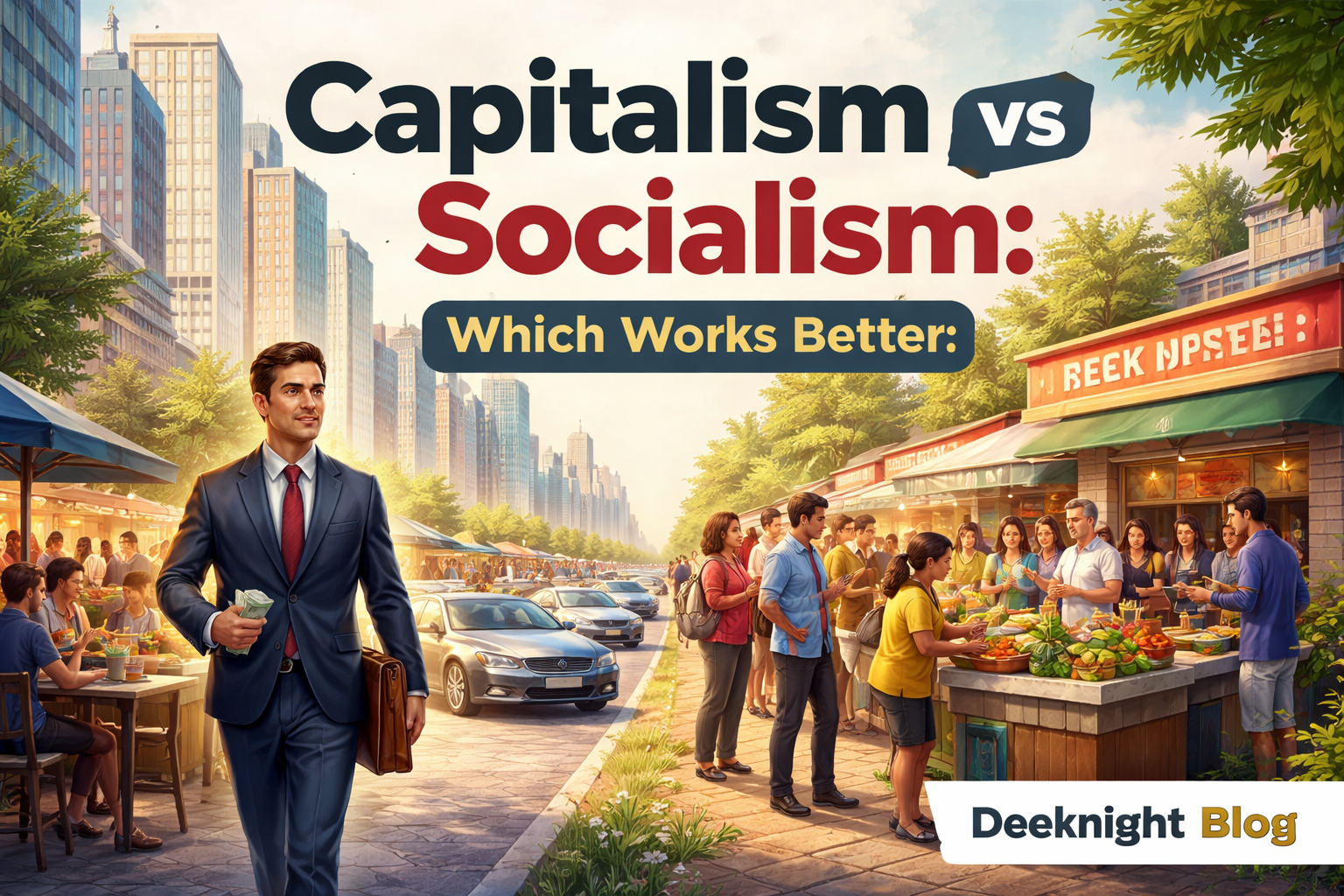
The debate over economic systems has existed for generations, but one question continues to dominate political and economic discussions worldwide: why is capitalism better than socialism? Supporters of capitalism argue that free markets create innovation, economic growth, and personal freedom, while critics believe socialism offers stronger social protections and economic equality.
As modern economies face inflation, unemployment, and global instability, people increasingly compare the strengths and weaknesses of these competing systems. The discussion is no longer limited to academics or politicians. Entrepreneurs, workers, students, and ordinary citizens all want to understand which economic structure creates better opportunities and long-term prosperity.
While both systems aim to improve society in different ways, capitalism remains the dominant model in most of the world’s largest economies. Understanding why many economists and business leaders support capitalism requires examining how free markets, private ownership, and competition shape economic success.
Before discussing why capitalism is better than socialism, it is important to understand the basic principles behind each system.
Capitalism is based on private ownership, open markets, and voluntary exchange. Businesses operate independently, individuals can own property, and competition drives innovation and economic activity. Prices are largely determined by supply and demand rather than government planning.
Socialism, by contrast, focuses on collective ownership and government involvement in the economy. Major industries and public services are often controlled or regulated by the state to ensure wealth and resources are distributed more equally across society.
The core difference lies in economic control. Capitalism prioritizes individual freedom and market competition, while socialism emphasizes economic equality and social welfare.
One of the strongest arguments for capitalism is economic freedom. In capitalist societies, individuals can start businesses, invest money, choose careers, and compete in open markets without excessive government control.
Supporters believe this freedom encourages creativity, ambition, and personal responsibility. Entrepreneurs are rewarded for taking risks, developing new products, and building successful companies. This competitive environment often leads to technological advancement and economic expansion.
Many of the world’s most influential innovations emerged from capitalist economies. Technology companies, medical breakthroughs, and global industries developed rapidly because individuals and businesses had incentives to innovate.
When people ask which is better capitalism or socialism, advocates of capitalism often point to the role of freedom in driving progress. They argue that societies grow stronger when citizens are allowed to pursue ideas, investments, and opportunities independently.
Competition is one of the foundations of capitalist economies. Businesses compete for customers by improving quality, lowering prices and creating better products.
This constant pressure to improve benefits consumers and encourages companies to innovate. In highly competitive markets, businesses that fail to adapt often lose customers to more efficient competitors.
Under socialism, critics argue that excessive government control can reduce incentives for innovation. If industries are state-controlled and competition is limited companies may have less motivation to improve services or increase efficiency.
The global technology industry provides a strong example of capitalist innovation. Many of the most successful companies grew rapidly because competitive markets rewarded creativity and investment.
Supporters of capitalism believe economic systems function best when individuals are motivated by achievement profit and opportunity rather than government direction.
Another major reason supporters explain why capitalism is better than socialism is its ability to create wealth on a large scale.
Capitalist economies often experience faster economic growth because businesses can expand, attract investment and respond quickly to market demand. Investors support industries they believe will succeed which helps create jobs and economic activity.
Countries with strong capitalist systems have historically produced higher levels of industrial growth, entrepreneurship and technological advancement. Large private sectors often contribute significantly to national economies through taxes, employment and innovation.
Critics of socialism argue that heavy government control may slow economic growth because decision-making becomes centralized and less flexible. Bureaucratic systems can sometimes reduce efficiency and discourage private investment.
While capitalism does not guarantee equal wealth distribution, supporters argue it creates more opportunities for economic mobility and financial success.
Capitalism also gives consumers greater choice in products and services. Businesses compete to attract customers resulting in diverse options across industries such as technology healthcare transportation entertainment and retail.
Consumers in capitalist economies can often choose between multiple companies offering similar services. This competition encourages businesses to improve quality and customer experience.
In socialist systems, government involvement may limit competition in certain industries. Critics argue this can reduce efficiency and consumer choice over time.
Supporters believe capitalist markets work effectively because consumers influence business success through their purchasing decisions. Companies that fail to satisfy customers must improve or risk losing market share.
This relationship between businesses and consumers is often presented as one of the biggest advantages in the broader comparison between capitalism and socialism.
Another argument frequently raised in defense of capitalism involves incentives. Capitalist systems reward individuals who develop skills, work hard, and take financial risks.
Supporters argue that people become more motivated when success is connected to effort and achievement. Entrepreneurs who build successful businesses can increase their income and expand their opportunities.
Critics of socialism sometimes claim that excessive wealth redistribution may reduce motivation because rewards become less connected to individual performance.
Capitalist economies encourage competition not only among businesses but also among workers seeking better careers and financial stability. Advocates believe this environment increases productivity and economic efficiency.
However, critics point out that capitalism can also create large income gaps and unequal opportunities. Supporters respond that regulated capitalist systems can address inequality through social programs without abandoning free-market principles entirely.
The influence of capitalist economies on global development is another reason many people support free-market systems. Countries with strong capitalist structures often become centers of trade, technology, finance, and innovation.
International investment flows more easily into economies where businesses can operate with fewer restrictions. This attracts industries, creates jobs, and supports long-term development.
At the same time, globalization has also increased criticism of capitalism. Some argue multinational corporations gain too much power, exploit labor, or prioritize profits over social responsibility.
These concerns have fueled renewed discussions around capitalist vs socialist systems and whether modern economies require stronger regulation.
Even so, most nations continue to rely heavily on market-based economic structures while combining them with selected social programs.
Although many defend capitalism, socialism continues to attract support in different parts of the world. Advocates believe government-funded healthcare, education and welfare programs create fairer societies and reduce poverty.
Supporters of socialism often argue that capitalism concentrates wealth among powerful corporations and wealthy individuals. They believe stronger government intervention is necessary to protect workers and ensure equal access to essential services.
This is why debates around is capitalism or socialism better remain highly controversial. Both systems address different priorities and public opinion often depends on personal experiences, economic conditions, and political beliefs.
In reality, most modern countries operate mixed economies that combine capitalist markets with some level of government regulation and social support.
Readers interested in a deeper ideological discussion can also explore this detailed analysis on Capitalism vs Socialism Debate available on Deeknight Blog.
The question of why is capitalism better than socialism continues to shape economic and political debates worldwide. Supporters of capitalism believe free markets create innovation, economic growth, consumer choice, and personal freedom. They argue that competition encourages progress and rewards individuals willing to take risks and work hard.
At the same time, critics point to inequality and corporate influence as major concerns within capitalist systems. Socialism attempts to address these issues by focusing on collective welfare and economic equality.
Ultimately, the debate between capitalism vs socialism remains complex because both systems offer strengths and weaknesses. However, the global influence of capitalist economies demonstrates why many countries continue to rely on free-market principles while balancing them with selected social protections and public policies.