English
 Arabic
 French
 Spanish
 Portuguese
 Deutsch
 Turkish
 Dutch
Dutch
 Italiano
 Russian
 Romaian
 Portuguese (Brazil)
 Greek
Greek
Hourly Chauffeur Service in Boca Raton, FL, Ride in True VIP Style
Travel |
2026-04-30 19:30:53
 Advertise With Us
 About Us
 Terms And Conditions
 Política de Privacidade
Ver Todos
Política de Privacidade
Ver Todos

Atualize para o Pro
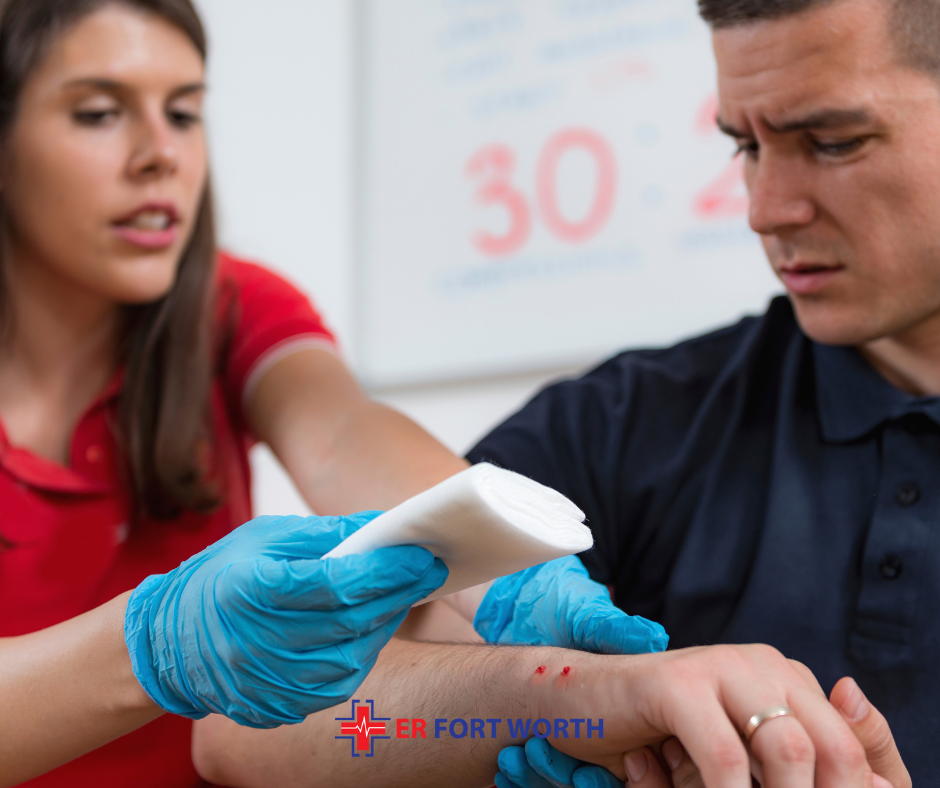
Burns can happen suddenly at home, at work, in the kitchen, or during outdoor activities. While minor burns may improve with basic first aid, serious burns can damage deeper layers of the skin and require immediate medical attention. Proper burn treatment can help control pain, protect the injured area, reduce the risk of infection, and support better healing. Knowing what to do immediately after a burn and when to seek emergency care can make an important difference in recovery. ER of Fort Worth provides emergency evaluation and care for patients with burns that need professional attention.
Burns are generally classified according to how deeply the skin and underlying tissues are affected. Understanding the severity can help people recognize when emergency medical care may be necessary.
First-degree burns affect only the outer layer of the skin. They commonly cause:
A mild sunburn is a common example. These burns often heal within several days with appropriate home care.
Second-degree burns affect deeper layers of the skin and may cause:
Some second-degree burns can heal with proper care, while deeper burns may require professional evaluation.
Third-degree burns are severe injuries that can destroy multiple layers of skin and affect underlying tissues. The affected area may appear:
Because nerve endings can be damaged, a severe burn may sometimes feel less painful than expected. This does not mean the injury is minor. Deep burns require urgent medical evaluation.
The first few minutes after a burn are important. Appropriate first aid can help limit further skin damage.
The first step is to stop contact with the source of the burn. Move away from flames, hot liquids, chemicals, electricity, or other sources of heat.
If clothing is burning, stop, drop, and roll if it is safe to do so. Once the immediate danger has passed, focus on cooling the affected area.
For many thermal burns, gently cool the affected area under cool running water for about 20 minutes.
Avoid using ice directly on burned skin. Extremely cold temperatures can further damage injured tissue.
Swelling can develop quickly after a burn. If possible, carefully remove rings, watches, bracelets, belts, or tight clothing near the injured area before swelling becomes significant.
Do not remove clothing that has become stuck to the skin.
After cooling the burn, loosely cover it with a clean, non-stick dressing or clean cloth. This can help protect the injury from dirt and irritation.
Avoid applying adhesive directly to the burned skin.
Some traditional home remedies can make a burn worse or interfere with medical treatment.
Avoid putting the following directly on a significant burn:
Do not intentionally break burn blisters. The skin covering a blister can provide some protection against infection.
If the burn is serious, avoid delaying professional care while trying multiple home remedies.
Not every burn requires an emergency room visit. However, certain characteristics can indicate a potentially serious injury.
Seek urgent medical evaluation when a burn:
Burns involving the face, mouth, or airway are particularly concerning because swelling can interfere with breathing.
Chemical burns can occur when the skin or eyes come into contact with corrosive substances. These injuries may continue causing damage until the chemical is removed.
If a chemical gets onto the skin, move away from the source and remove contaminated clothing when it is safe. Rinse the affected area thoroughly with running water.
Chemical exposure involving the eyes requires immediate attention. Do not rub the eyes, and seek emergency medical evaluation.
Always follow the safety instructions provided for the specific chemical involved.
Electrical burns may appear small on the skin while causing deeper internal damage. Electricity can travel through the body and potentially affect muscles, nerves, blood vessels, and the heart.
An electrical burn should be medically evaluated, particularly when it involves:
Never touch someone who is still connected to an electrical source. The power should be safely disconnected first.
When a patient arrives at an emergency facility, healthcare professionals assess several factors before determining the appropriate care plan.
They may consider:
Doctors evaluate how deeply the skin and tissues have been affected.
The amount of body surface involved can help determine the seriousness of the injury.
Burns affecting the face, hands, feet, major joints, or other sensitive areas may require specialized attention.
The treatment approach can differ depending on whether the burn resulted from heat, chemicals, electricity, or another source.
Patients involved in fires or accidents may have additional injuries that need evaluation.
At ER of Fort Worth, emergency professionals can assess burn injuries and determine whether additional treatment, monitoring, or specialist care is needed.
Burn injuries can be painful, particularly during cleaning, dressing changes, and movement.
Pain management depends on the severity and location of the injury. Healthcare professionals may recommend appropriate medications and wound-care techniques.
Patients should use medications only according to professional instructions. Severe or increasing pain after an injury should not simply be ignored because it may indicate a complication.
Damaged skin can make it easier for bacteria to enter the body. Proper wound care is therefore important during recovery.
Helpful precautions include:
Signs such as worsening pain, spreading redness, pus-like drainage, fever, or increasing swelling may require prompt medical evaluation.
A burn can change over time. An injury that initially looks manageable may become more complicated as swelling, tissue damage, or infection develops.
Prompt evaluation can help identify the severity of the injury and determine whether the patient needs specialized wound care.
Early attention is particularly important for children, older adults, and people with extensive or complicated burns.
Preventing burns is often easier than treating them. Simple safety habits can reduce many common household risks.
Keep hot pans and liquids away from the edges of counters. Turn pot handles inward and supervise children around cooking areas.
Replace damaged cords and avoid using electrical devices near water. Keep electrical outlets protected when young children are present.
Check water temperature before bathing children or vulnerable family members. Water that feels comfortable to an adult can still cause serious burns.
Keep matches, lighters, candles, and flammable materials away from children. Never leave an open flame unattended.
Store cleaning products and other chemicals safely and follow their handling instructions.
Some burns can be managed at home, but serious or uncertain injuries should be evaluated by medical professionals.
ER of Fort Worth offers emergency care for injuries that require prompt assessment. If a burn is deep, extensive, unusually painful, caused by electricity or chemicals, or located in a sensitive area, professional evaluation may be appropriate.
When in doubt about the severity of a burn, seeking medical advice can help prevent complications and ensure the injury receives appropriate care.
Move away from the source of heat and cool the affected area with cool running water. Avoid applying ice directly to the skin.
No. Ice can further damage burned skin. Cool running water is generally preferred for cooling a thermal burn.
No. Breaking a blister can expose the injured skin and increase the risk of infection.
Seek emergency care for deep, extensive, charred, electrical, or chemical burns, as well as burns involving the face, hands, feet, major joints, or airway.
Some burns can heal with home care, but serious or deep burns require professional evaluation. A healthcare professional can determine the appropriate treatment based on the injury.
Keep the wound clean and properly covered, follow medical instructions, avoid unnecessary touching, and watch for signs such as increasing redness, swelling, drainage, fever, or worsening pain.
Yes. Electrical injuries can affect tissues beneath the skin and may also affect the heart or nervous system. Medical evaluation is important even when the external injury appears small.