English
 Arabic
 French
 Spanish
 Portuguese
 Deutsch
 Turkish
 Dutch
Dutch
 Italiano
 Russian
 Romaian
 Portuguese (Brazil)
 Greek
Greek
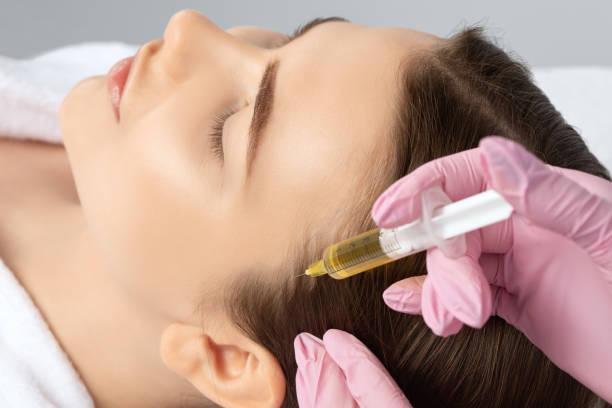
PRP Hair Treatment for Hair Regrowth Support
Health |
2026-03-30 07:00:54
 Advertise With Us
 About Us
 Terms And Conditions
 Политика конфиденциальности
Смотреть все
Политика конфиденциальности
Смотреть все

Обновить до Про
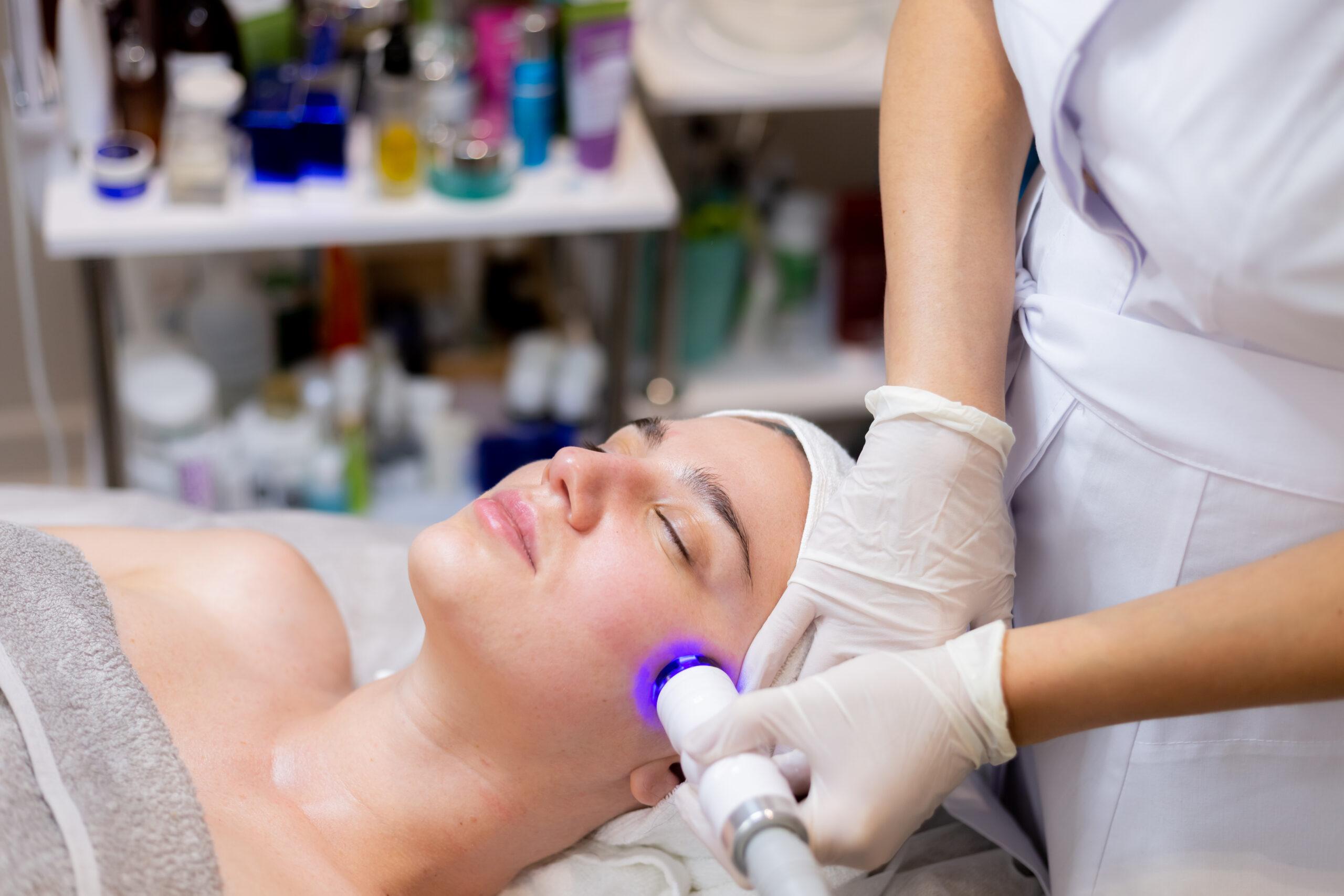
Acne can leave behind lasting scars even after active breakouts have cleared, leading many individuals to explore acne scar treatment in Mississauga when visible marks continue to affect their skin’s appearance. Understanding the different types of acne scars and how each one responds to specific treatment approaches helps set realistic expectations and allows individuals to make informed decisions before beginning their skincare journey.
This includes rolling scars (wave-like depressions in the skin), boxcar scars (wider, well-defined depressions), and ice-pick scars, which are narrow but deeper. Flat red or brown marks are also commonly seen and can easily be mistaken for scarring, although they are actually a separate concern that responds to different treatment approaches.
Dermatology providers rarely rely on one method because of the tremendous amount of variation in scar types. Rather, the majority of treatment plans employ two or more methods to treat texture, depth and discoloration simultaneously (after all, each layer of scarring typically needs a slightly different tool)
This treatment is among the more frequently recommended options. Fine needles create tiny microchannels in the skin, prompting the body's natural healing response and stimulating new collagen production. This method is particularly effective for shallow rolling scars and widely tolerated on various skin types.
Radiofrequency micro needling goes a step further by combining the needling process with heat energy delivered into the deeper layers of the skin. This additional element can stimulate more collagen remodelling than the traditional treatment alone, making it especially helpful for scars located deeper beneath the surface.
Subcision is specifically used to treat rolling acne scars, which affect the skin’s surface by creating depressions caused by fibrous bands beneath the skin. During the procedure, these bands are released using a thin needle or cannula, allowing the skin to lift and return to a smoother position. This technique is often combined with treatments such as dermal fillers or platelet-rich plasma to support and maintain long-lasting improvements.
Boxcar and mixed scarring still have a primary role of laser resurfacing. The way fractional lasers work is they shoot thousands of very tiny treatment zones, causing the skin to heal and find its own collagen in a more structured manner. Results are also not something you see overnight, but rather build over the course of many visits.
Smaller, deeply pitted scars like ice-pick marks require highly targeted interventions such as specialized chemical peels or the TCA CROSS method. This concentrated solution is applied directly into the indentation, actively stimulating internal cellular healing to help the scar flatten gradually over time. These specific techniques are rarely utilized in complete isolation; instead, aesthetic professionals frequently incorporate them into a much broader, comprehensive resurfacing strategy to achieve the best possible clinical outcome.
Individuals investigating Mississauga acne scar treatments should understand that treatment cannot be performed while active breakouts are occurring and need to be controlled before cosmetic scar treatments can begin. If you are conducting resurfacing or needling with someone who has inflamed, active acne then you risk spreading bacteria and creating new scarring so most providers will try to get the habitual or ongoing acne under control....
Before commencing treatment, it is important to carry out a comprehensive consultation. A good provider will look at your individual scar types, talk to you about your skin type and healing history and create a staged treatment plan rather than selling you on one quick fix. Since scars exist at various depths, this multi-stage plan — usually stretched over many months — tends in the direction of higher, longer-lasting development.
Downtime is highly dependent on the treatment selected. With standard micro needling, you probably can ease back into your activities fairly quickly; whereas with a more aggressive laser resurfacing, you may be visibly red and peeling for several days. Your provider should go over step by step what to expect in the days following each session so there are no surprises.
You should also manage expectations around results. While most types of acne scars cannot be fully removed, combination treatments can give a meaningful improvement to the appearance of scars over time, often reducing the visible depth and discoloration of scars substantially. This is just the consistency you start to notice here – collagen remodelling can be a slow process and inconsistent patients who speed timelines often get suboptimal results.
Sunscreen use and a simple, gentle skin-care routine aid results between treatments and help prevent new pigment from appearing. Daily sunscreen is one of the easiest methods to protect your gains because treated skin may take several days after each treatment to fully stop being sensitive to UV rays.
Another aspect of project planning should be cost. Since most acne scar plans include multiple sessions over several months, it is wise to ask for the total treatment roadmap upfront instead of pricing each visit separately. So, it helps for you to budget and better comprehend where the combined price falls against treating each scar variety on its own.
Diverse techniques can also differ by age and skin tone, so keep this in mind. Some lasers wavelengths will induce a larger likelihood of pigment alteration on darker skin than others, so an expert provider will alter the plan he or she has for each patient rather than providing everyone with the same protocol. Disclosing your entire skin and health history during the consultation can avoid this type of mismatch.
The bottom line is patience works well with a surplus of time. Because the remodelling of collagen occurs gradually deep within the skin, visible changes generally take weeks to develop after each session, with the optimal outcome presenting over several months of consistent treatment.
Conclusion
Treating acne scars often requires a personalized combination of methods because every scar type responds differently. Both micro needling and subcision as well as laser resurfacing and focused peels are now on such a range of options that one can adjust the treatment to the individual, giving some immediate results (in stages) for better texture and tone with a gradual build-up for maintaining safety and ease of recovery. Of course, a comprehensive discussion with a skilled provider is still the best method to start for those prepared to treat acne scarring.
Note:
Where to Book a Microneedling Appointment in Mississauga
Looking for Fotona Laser Treatment in Mississauga?