English
 Arabic
 French
 Spanish
 Portuguese
 Deutsch
 Turkish
 Dutch
Dutch
 Italiano
 Russian
 Romaian
 Portuguese (Brazil)
 Greek
Greek
Five Questions to Ask Before You Buy Laminate Flooring in Dubai
Home |
2026-07-15 11:37:47
 Advertise With Us
 About Us
 Terms And Conditions
 Privacy Policy
See All
Privacy Policy
See All

Upgrade to Pro
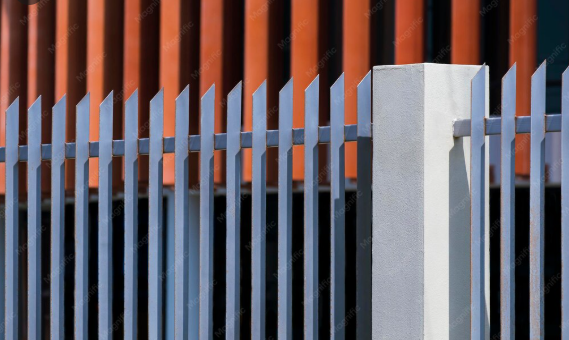
A new fence is one of the most valuable exterior improvements you can make, but its long-term performance depends on more than simply choosing the right material. Even though aluminum fencing is known for durability, corrosion resistance, and minimal maintenance, poor planning or installation decisions can reduce its lifespan and increase unnecessary expenses.
Many property owners focus on selecting an attractive design but overlook critical details that affect performance for years to come. Understanding the most common mistakes before beginning your fencing project can help you protect your investment, avoid avoidable costs, and enjoy a fence that continues to perform as expected.
Every successful fencing project starts long before the first post is installed. Proper planning helps ensure the finished fence meets your expectations for appearance, security, functionality, and durability.
Benefits of careful preparation include:
Fewer installation delays
Better budget management
Improved property appearance
Reduced future maintenance
Longer fence lifespan
Better return on investment
Skipping these early planning steps often leads to expensive corrections later.
Budget is important, but selecting the lowest-priced option without considering long-term value may lead to higher ownership costs.
Instead of comparing only installation costs, evaluate:
Expected lifespan
Maintenance requirements
Repair frequency
Finish quality
Durability in your local climate
Overall appearance after years of use
Aluminum fencing often proves to be a cost-effective investment because of its long service life and low maintenance needs.
Incorrect measurements can create significant installation challenges.
Common measurement problems include:
Ordering too few materials
Incorrect panel spacing
Poor gate positioning
Uneven fence alignment
Wasted materials
Accurate planning ensures every section of your aluminum fencing fits properly from the beginning.
Fence height should match both the property's appearance and intended purpose.
For example:
Lower fences often enhance front yards and gardens.
Taller fences create stronger visual boundaries.
Appropriate heights help define spaces without making them feel enclosed.
Choosing the proper height improves both function and aesthetics.
A beautiful fence becomes inconvenient if gates are poorly positioned.
Before installation, think carefully about daily movement around your property.
Consider access for:
Family members
Guests
Lawn equipment
Garden maintenance
Deliveries
Outdoor entertaining
Proper gate placement improves convenience for years to come.
Every property presents unique installation challenges.
Ground conditions that require attention include:
Sloped landscapes
Rocky soil
Tree roots
Drainage patterns
Retaining walls
Existing landscaping
Evaluating these factors early helps installers determine the most suitable layout for aluminum fencing.
Decorative features certainly enhance curb appeal, but functionality should always come first.
When evaluating fence styles, ask:
Does it provide enough security?
Will it suit the property's layout?
Does it allow proper visibility?
Will it complement future landscaping?
Balancing appearance with practical needs results in a more successful investment.
Although aluminum fencing requires very little maintenance, "maintenance-free" does not mean "maintenance never."
Simple tasks include:
Washing away dirt
Removing leaves around posts
Checking hinges
Tightening hardware
Inspecting gate alignment
These quick inspections help preserve long-term performance.
Properties evolve over time.
Future additions may include:
Swimming pools
Outdoor kitchens
Expanded gardens
Storage buildings
Patios
Children's play areas
Planning your aluminum fencing with future improvements in mind reduces the need for costly modifications.
Color and finish affect both maintenance and curb appeal.
Popular finish considerations include:
Matte black
Bronze
White
Textured finishes
Satin finishes
Selecting a finish that complements your home's exterior creates a timeless appearance that remains attractive as landscaping matures.
Many buyers focus only on today's budget.
Instead, evaluate ownership over the next 15 to 25 years.
Consider:
Cleaning costs
Repair frequency
Replacement expenses
Appearance retention
Property value
Maintenance time
Looking at total ownership costs often highlights the financial advantages of aluminum fencing.
Following a few best practices can significantly improve project outcomes.
A simple drawing helps visualize fence placement, gate locations, and landscaping features before installation begins.
Think about how family members, pets, and visitors move through the property so gates are positioned where they are most useful.
Choosing a style that complements your home's design creates a more cohesive and attractive exterior.
Avoid placing fence panels too close to large shrubs or future planting areas. Allowing space for growth reduces future maintenance.
Proper drainage helps maintain soil stability around posts and supports long-term structural performance.
Beyond avoiding common mistakes, aluminum fencing offers several long-term advantages.
Unlike many traditional materials, aluminum performs well through rain, humidity, and seasonal temperature changes.
Quality finishes help maintain a clean, attractive appearance without frequent repainting.
From classic ornamental styles to sleek contemporary designs, aluminum complements a wide variety of architectural styles.
Clearly defined boundaries improve organization while enhancing the overall appearance of outdoor spaces.
Knowing your fence requires minimal upkeep allows you to spend less time on maintenance and more time enjoying your property.
Once your aluminum fencing is installed, a few simple habits can help maximize its lifespan.
Wash the fence two or three times each year.
Inspect gates after severe storms.
Keep grass and weeds trimmed around fence posts.
Remove accumulated leaves and debris.
Check fasteners during seasonal maintenance.
Address minor issues before they develop into larger repairs.
Consistent care ensures the fence continues looking and performing its best.
Choosing aluminum fencing is only the first step toward a successful fencing project. Avoiding common mistakes such as inaccurate measurements, poor gate placement, overlooking future needs, and focusing only on initial costs can significantly improve the long-term value of your investment. With thoughtful planning, quality installation, and simple routine maintenance, aluminum fencing can provide decades of dependable performance while enhancing both security and curb appeal.
Many property owners underestimate the importance of proper planning and accurate measurements before installation.
Yes. Depending on the system, additional panels, gates, or matching sections can often be incorporated as property needs change.
Yes. Allowing adequate space for plants and considering future growth helps prevent unnecessary pressure on fence panels.
Routine cleaning, periodic inspections, prompt hardware adjustments, and keeping vegetation under control all contribute to long-lasting performance.