English
 Arabic
 French
 Spanish
 Portuguese
 Deutsch
 Turkish
 Dutch
Dutch
 Italiano
 Russian
 Romaian
 Portuguese (Brazil)
 Greek
Greek
Juvederm Modern Aesthetics Best Doctors in Dubai
Health |
2026-07-22 08:06:46
 Advertise With Us
 About Us
 Terms And Conditions
 Privacy Policy
Afiseaza-i pe toti
Privacy Policy
Afiseaza-i pe toti

Upgrade to Pro
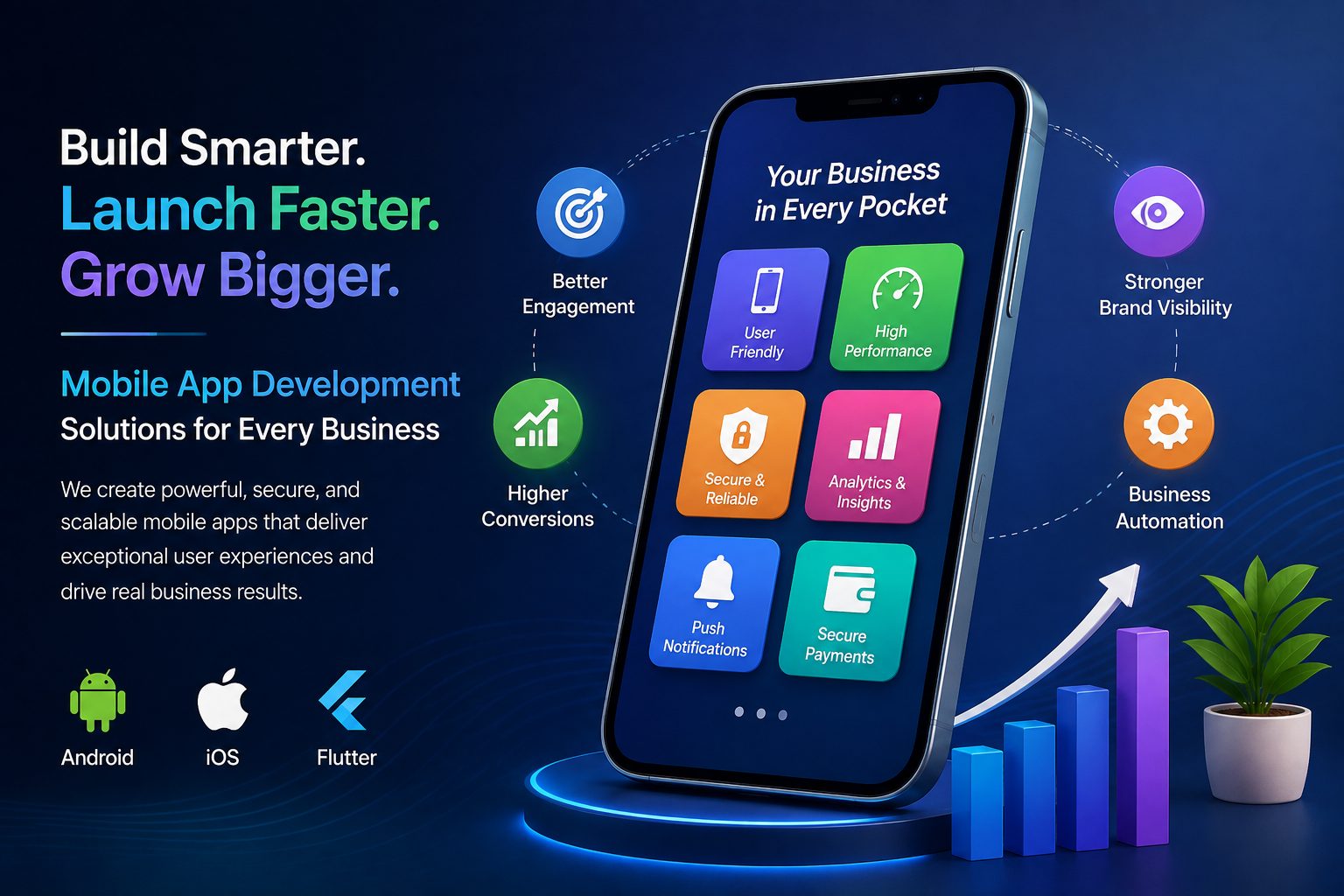
Mobile phones have become an important part of everyday life, changing how people shop, communicate, make payments, book services, and interact with businesses. As customers increasingly prefer convenient digital experiences, businesses are investing in mobile applications to stay connected with their audiences. A professionally developed mobile application can help a business improve customer engagement, simplify operations, strengthen its brand, and create new opportunities for growth.
What Is Mobile App Development?
Mobile app development is the process of designing, developing, testing, and maintaining applications for smartphones and tablets. Depending on business requirements, applications can be developed for platforms such as Android and iOS or built using cross-platform technologies such as Flutter and React Native.
A successful mobile application is not simply about attractive design. It should provide reliable performance, simple navigation, strong security, and useful features that solve real customer or business problems.
Why Do Businesses Need Mobile Apps?
1. Improve Customer Experience
Customers want quick and convenient access to products and services. A mobile application can provide a smooth experience with features such as secure login, personalized profiles, push notifications, online payments, appointment booking, and order tracking.
Instead of repeatedly searching for a business online, customers can open an application and access the required service directly.
2. Increase Customer Engagement
Mobile applications provide businesses with a direct communication channel. Push notifications can be used to share important updates, new products, special offers, reminders, and other relevant information.
When used responsibly, these features can encourage customers to return to the application and maintain a stronger relationship with the brand.
3. Strengthen Brand Visibility
An application places a business directly on the customer's smartphone. The app icon itself provides regular brand exposure and can help improve brand recognition.
A professional application with consistent branding, intuitive design, and useful functionality can also create a more memorable customer experience.
Android and iOS App Development
Businesses need to select platforms based on their target audience and business objectives.
Android App Development can help businesses reach a large and diverse user base across different devices.
iOS App Development allows businesses to create applications specifically for Apple's ecosystem, with a strong focus on performance and user experience.
For businesses that want to support multiple platforms efficiently, cross-platform technologies can also be considered.
Flutter and React Native Development
Flutter App Development allows developers to create applications for multiple platforms using a shared codebase. This can help reduce development effort while maintaining a consistent user experience.
React Native App Development is another popular approach for building applications that work across Android and iOS while providing a native-like experience.
The right technology depends on factors such as project complexity, required features, budget, development timeline, and long-term maintenance requirements.
Custom Mobile App Development
Every business has different requirements. A restaurant may need online ordering and delivery tracking, while a healthcare company may need appointment booking and patient-related features.
Custom Mobile App Development allows businesses to build applications around their specific workflows and customer requirements instead of relying on a one-size-fits-all solution.
Custom applications can include features such as:
User registration and authentication
Push notifications
Online payments
Booking systems
Product catalogs
Order tracking
Customer support
Location-based services
Analytics
Cloud integration
Mobile Apps for Different Industries
Mobile applications are useful across many industries, including:
eCommerce
Healthcare
Education
Finance
Real Estate
Travel
Food Delivery
Logistics
Entertainment
Professional Services
The application's features should be designed according to the industry's specific requirements and the expectations of its users.
Security and Performance
Security should be considered from the beginning of the development process. Applications may handle sensitive customer information, login credentials, payment details, and business data.
Secure authentication, data protection, encrypted communication, secure payment integration, and regular updates can help create a safer application.
Performance is equally important. Slow loading times, crashes, or complicated navigation can negatively affect the user experience. Testing across different devices and operating systems helps identify and resolve performance issues before and after launch.
Mobile App Development Process
A professional development process generally includes:
Requirement Analysis – Understanding the business and user requirements.
UI/UX Design – Creating an intuitive and visually appealing interface.
Development – Building the application's functionality.
Testing – Checking performance, usability, compatibility, and security.
Deployment – Publishing the application on the relevant app stores.
Maintenance – Providing updates, improvements, and technical support.
Following a structured process helps reduce development issues and creates a better final product.
Future of Mobile App Development
Mobile applications are becoming increasingly advanced with technologies such as Artificial Intelligence, Machine Learning, Cloud Computing, Internet of Things, and advanced analytics.
These technologies can help businesses provide personalized recommendations, automate processes, analyze customer behavior, and create smarter digital experiences.
As mobile usage continues to grow, businesses that develop useful and customer-focused applications can create stronger digital connections with their audiences.
Conclusion
Mobile app development has become an important digital strategy for businesses of all sizes. A well-designed application can improve customer experience, increase engagement, strengthen brand visibility, and streamline business operations.
Whether a business needs an Android application, iOS application, Flutter solution, React Native app, or a completely customized mobile platform, the focus should always be on user needs, security, performance, scalability, and long-term business value.
For businesses planning their digital transformation, investing in a professional mobile application can be an effective way to build stronger customer relationships and prepare for future growth.
view our website https://www.quickinfotech.co.in/mobile-app-development