Comprehensive Guide to Arm Lift Surgery in Jeddah: Part 10 – Managing Risks, Complications, and Revision Strategies
Introduction to Surgical Safety and Risk Management
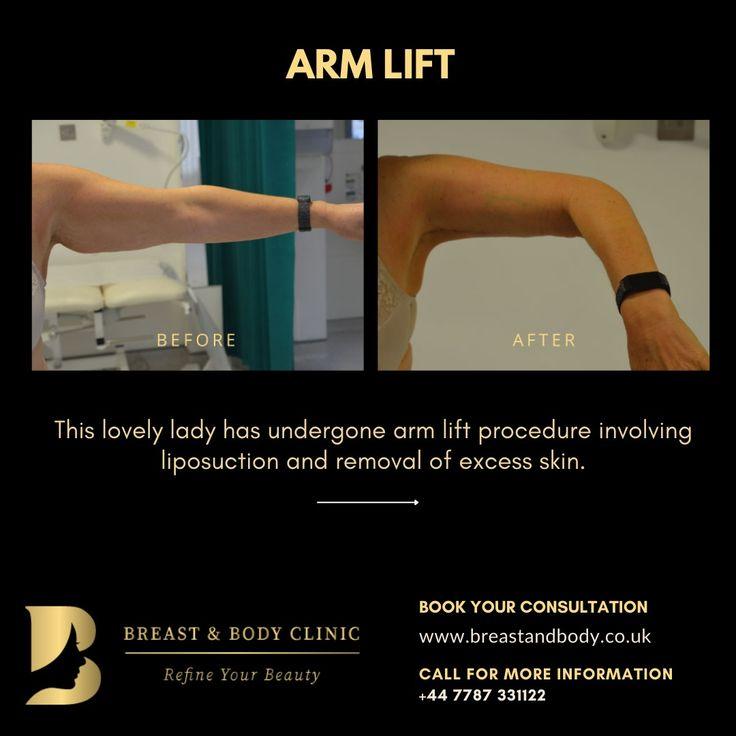
Arm lift surgery in Jeddah is performed with rigorous adherence to international safety standards, ensuring that patient well-being remains the absolute priority. While board-certified plastic surgeons employ meticulous techniques to minimize adverse events, any major surgical procedure carries inherent biological risks. Understanding these potential complications, recognizing early warning signs, and knowing the available revision strategies empowers patients to navigate their surgical journey with complete confidence and preparedness.
Understanding Common Surgical Risks
Like any procedure involving skin excision and tissue remodeling, brachioplasty presents certain recognized risks that are thoroughly reviewed during pre-operative consultations:
-
Hematoma: An accumulation of blood beneath the skin that can cause localized swelling, pressure, and pain, occasionally requiring minor drainage.
-
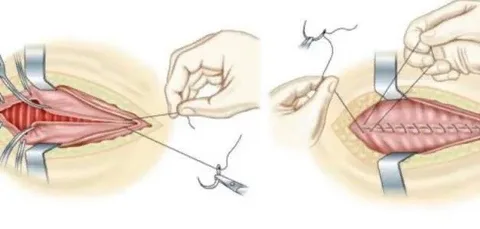
Seroma: A collection of sterile body fluid in the dead space left by tissue removal, which is increasingly prevented by modern progressive tension suturing techniques.
-
Infection: Bacterial contamination at the incision site, managed proactively through strict sterile intraoperative protocols and prescribed prophylactic antibiotics.
-
Nerve Sensitivity Changes: Temporary numbness, tingling, or altered tactile sensation along the inner arm due to superficial sensory nerve stretching or irritation during dissection.
-
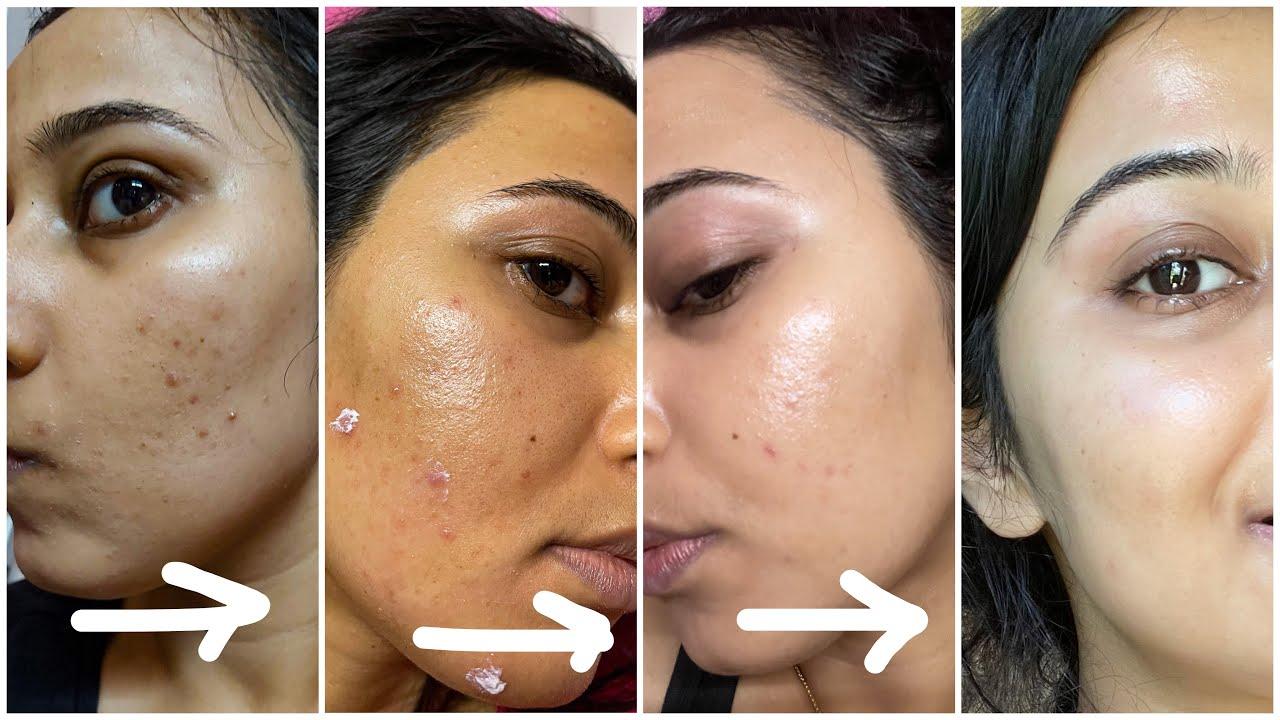
Hypertrophic Scarring: Thickened or raised scars that can occur depending on individual genetic predispositions and wound healing tendencies.
Proactive Measures to Minimize Complications
Surgeons and patients collaborate closely to implement preventative strategies that significantly reduce complication rates:
-
Strict Smoking Cessation: Eliminating nicotine intake weeks before and after surgery ensures robust microvascular blood flow, drastically lowering tissue necrosis risks.
-
Medication Management: Avoiding blood-thinning drugs and herbal supplements prevents excessive intraoperative bleeding and postoperative hematoma formation.
-
Strict Adherence to Activity Limits: Refraining from heavy lifting, strenuous exercise, and sudden overhead stretching protects internal suture lines from undue mechanical tension.
Recognizing Red Flags and Seeking Early Intervention
Prompt communication with the medical team at the first sign of an abnormality ensures rapid and effective treatment:
-
Fever or Persistent Chills: Indicators of a potential systemic or localized infection requiring medical evaluation.
-
Intense, Unilateral Pain: Sudden, severe pain accompanied by disproportionate swelling on one arm that warrants immediate professional assessment.
-
Wound Breakdown: Minor separation of the incision edges, which can be managed conservatively with specialized dressings under clinical guidance.
Revision Strategies and Touch-Up Procedures
In rare instances where healing produces minor asymmetries, persistent contour irregularities, or widened scars, revision options are available:
-
In-Office Scar Refinement: Utilizing advanced fractional lasers, micro-needling, or topical steroid injections to flatten and fade stubborn scars.
-
Minor Secondary Adjustments: Minor touch-up procedures or localized micro-liposuction performed under local anesthesia to perfect contour harmony once full tissue settling has occurred (typically after six months).
Summary of Risk Management and Safety
Navigating potential complications with transparency and preparedness highlights the professionalism of modern aesthetic medicine. By combining meticulous surgical technique, strict patient compliance, and proactive medical oversight, individuals achieve exceptionally safe recoveries and stunning, long-lasting aesthetic transformations.
 English
 Arabic
 French
 Spanish
 Portuguese
 Deutsch
 Turkish
 Dutch
Dutch
 Italiano
 Russian
 Romaian
 Portuguese (Brazil)
 Greek
Greek
 Advertise With Us
 About Us
 Terms And Conditions
 سياسة الخصوصية
عرض كل النتائج
سياسة الخصوصية
عرض كل النتائج