English
 Arabic
 French
 Spanish
 Portuguese
 Deutsch
 Turkish
 Dutch
Dutch
 Italiano
 Russian
 Romaian
 Portuguese (Brazil)
 Greek
Greek
Trending Read The Dorians by Nick Cutter
Sports |
2026-06-17 05:21:16
 Advertise With Us
 About Us
 Terms And Conditions
 Política de Privacidade
Ver Todos
Política de Privacidade
Ver Todos

Atualize para o Pro
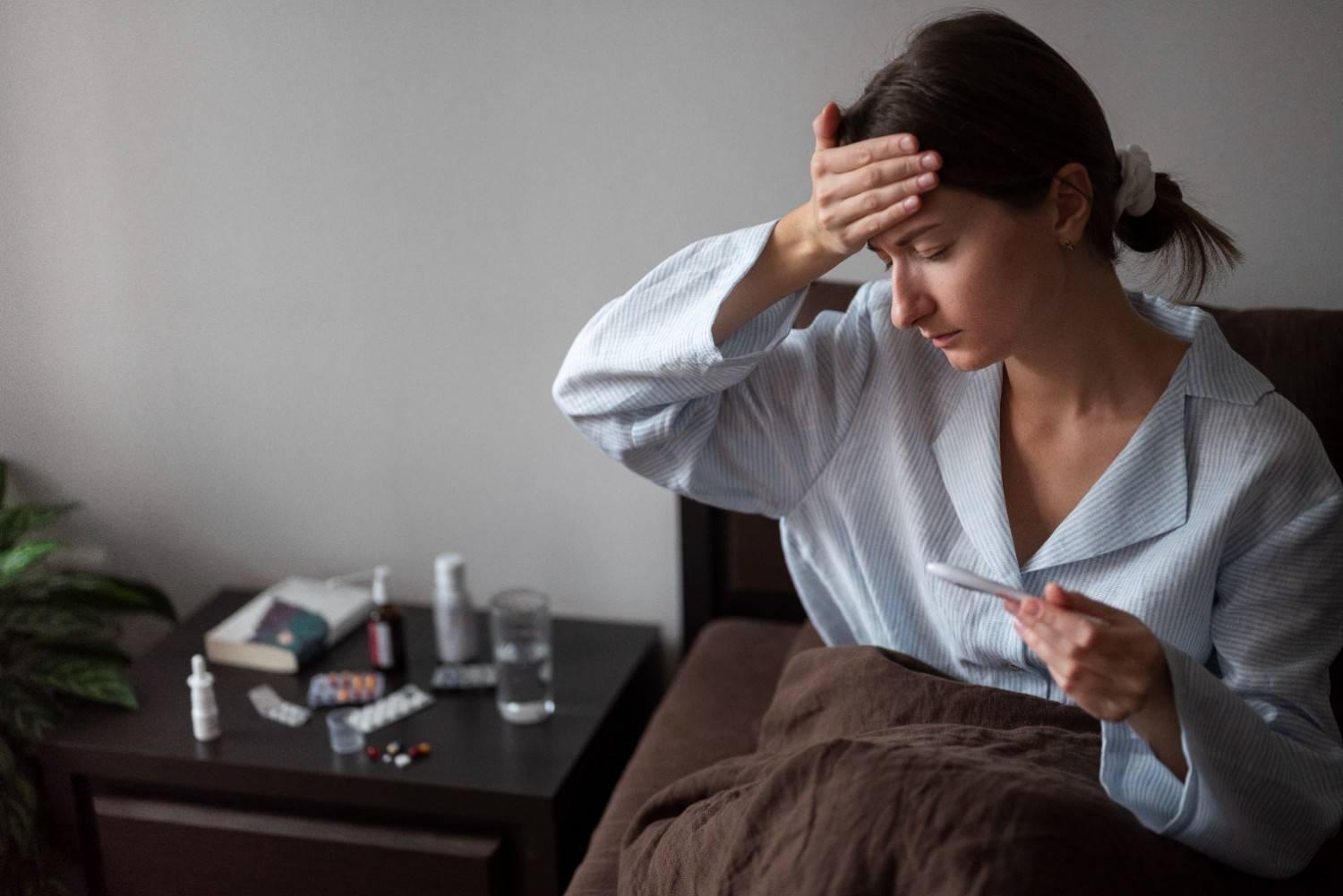
When migraines begin affecting your work, family life, or daily routine, finding the right approach becomes a priority. Many adults wonder whether medication alone is enough or if lifestyle adjustments and natural support can also make a difference. The reality is that effective migraine treatment often involves a combination of strategies rather than relying on a single solution. Understanding how these approaches compare can help you make informed decisions and better manage migraine attacks over the long term.
Migraines are a neurological disorder that affects adults of all ages. While symptoms vary from person to person, a balanced treatment plan can reduce attack frequency, lessen pain intensity, and improve overall quality of life.
No two people experience migraines in exactly the same way. Some may have occasional headaches triggered by stress, while others experience frequent attacks that interfere with daily responsibilities.
Several factors influence migraine treatment, including:
Frequency of migraine attacks
Severity of symptoms
Personal triggers
Age and overall health
Sleep habits
Work schedule
Lifestyle choices
Previous response to treatment
Understanding these factors helps create a personalized migraine management plan.
Migraines often involve much more than head pain.
Common symptoms include:
Throbbing headache
Pain on one or both sides of the head
Nausea
Vomiting
Sensitivity to light
Sensitivity to sound
Fatigue
Blurred vision
Difficulty concentrating
Neck stiffness
Symptoms may last several hours or even days depending on the individual.
Medication remains one of the most common approaches for managing migraines.
These are used after migraine symptoms begin.
Their goals include:
Reducing pain
Relieving nausea
Shortening attack duration
Improving daily functioning
Early use often improves treatment effectiveness.
Some adults experience migraines frequently enough to benefit from preventive treatment.
Preventive care aims to:
Reduce the number of migraine attacks
Lower pain intensity
Improve overall quality of life
Reduce dependence on acute medications
Preventive migraine treatment is generally recommended based on attack frequency and symptom severity.
Healthy daily habits often provide long-term benefits alongside medical treatment.
Going to bed and waking up at consistent times supports healthy brain function.
Dehydration is a common migraine trigger for many individuals.
Regular meals help maintain stable blood sugar levels, reducing one possible trigger.
Moderate exercise improves circulation and may reduce stress-related migraines.
Relaxation techniques such as meditation, breathing exercises, or yoga may decrease migraine frequency.
Lifestyle improvements strengthen the effectiveness of migraine treatment over time.
Many adults explore natural methods to complement conventional migraine management.
Examples include:
Mindfulness practices
Relaxation exercises
Gentle stretching
Maintaining hydration
Healthy nutrition
Regular physical activity
Trigger avoidance
Consistent sleep habits
Natural support should complement—not replace—an individualized treatment plan.
Each strategy offers unique benefits.
Advantages:
Often provides faster symptom relief
Helpful during moderate to severe attacks
Can reduce pain intensity quickly
Limitations:
May not prevent future migraines without additional strategies
Overuse may contribute to recurring headaches
Advantages:
Support long-term migraine prevention
Improve overall health
Reduce trigger exposure
Limitations:
Results usually develop gradually
Require consistency
Advantages:
Encourages healthy habits
Supports stress reduction
May improve recovery
Limitations:
Effects vary between individuals
Works best alongside comprehensive migraine treatment
Trigger awareness plays a major role in preventing attacks.
Common triggers include:
Emotional stress
Poor sleep
Dehydration
Bright lights
Loud environments
Certain foods
Hormonal changes
Weather fluctuations
Excessive caffeine
Avoiding identified triggers often reduces migraine frequency.
A migraine diary helps evaluate treatment effectiveness.
Track information such as:
Date of each migraine
Pain severity
Duration
Sleep quality
Meals consumed
Water intake
Stress level
Physical activity
Medication used
Recovery time
These records help refine long-term migraine treatment decisions.
Simple habits practiced consistently often make a noticeable difference.
Helpful strategies include:
Taking breaks from screens
Drinking water regularly
Avoiding skipped meals
Maintaining good posture
Following a predictable daily schedule
Limiting excessive caffeine
Creating a relaxing bedtime routine
These changes support overall brain health and reduce common migraine triggers.
Some habits unintentionally make migraines more difficult to control.
Examples include:
Ignoring early warning signs
Delaying treatment
Sleeping irregularly
Skipping meals
Self-medicating excessively
Failing to identify triggers
Not tracking migraine patterns
Avoiding these mistakes improves the success of migraine treatment.
Migraine patterns can change over time.
Consider reviewing your management strategy if:
Attacks become more frequent.
Symptoms become more severe.
Recovery takes longer.
Current treatment becomes less effective.
Daily life is regularly disrupted.
Periodic review helps ensure your treatment remains appropriate for your changing needs.
Long-term success depends on combining multiple approaches rather than relying on one solution.
A balanced plan may include:
Early symptom recognition
Medication when appropriate
Healthy lifestyle habits
Trigger identification
Stress management
Regular physical activity
Consistent follow-up
This comprehensive approach often delivers the most reliable long-term results.
There is no universal solution for migraines, but combining medication, healthy lifestyle changes, and supportive natural strategies can greatly improve migraine treatment outcomes. Every adult experiences migraines differently, making individualized management essential. By identifying triggers, maintaining healthy daily routines, monitoring symptoms, and responding early to migraine attacks, many people can reduce headache frequency and improve their quality of life while gaining greater confidence in managing this neurological condition.
Healthy lifestyle habits may lower migraine frequency for some individuals, but medication decisions should always be based on individual needs and professional guidance.
Recurring migraines may result from ongoing trigger exposure, changing migraine patterns, or the need to adjust the overall treatment strategy.
Yes. Long-term tracking often reveals patterns that are difficult to recognize from individual migraine attacks alone.
Yes. Although migraines often begin earlier in adulthood, they can develop later as well, making proper evaluation important when new symptoms appear.