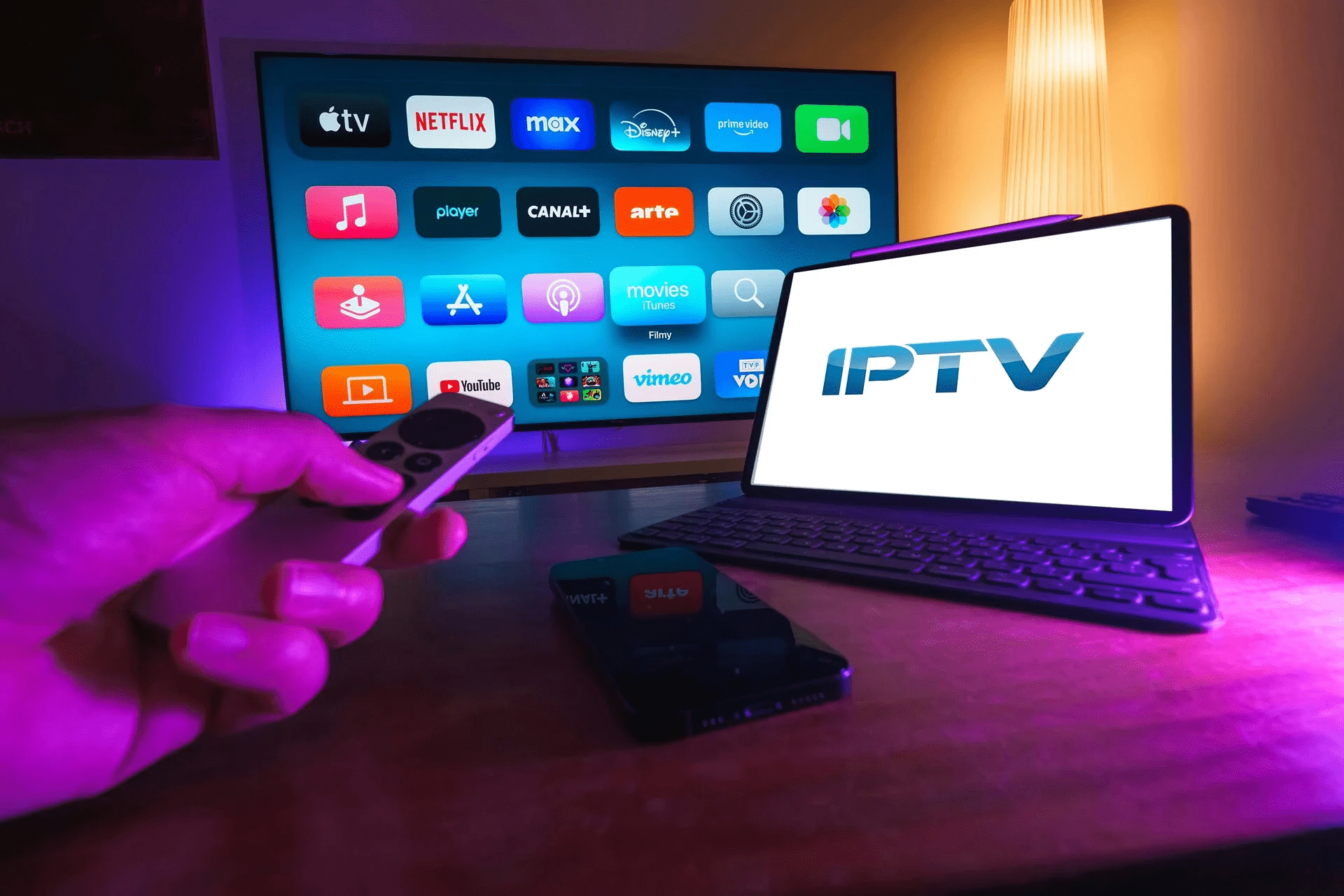
The global entertainment industry is experiencing a major transformation as internet-based television continues to gain momentum across different regions and demographics. What was once considered an alternative to traditional cable has now become a mainstream viewing solution for millions of households worldwide.
From entrepreneurs and startups to everyday consumers, people are increasingly choosing internet-based television because it offers flexibility, convenience, and cost efficiency. This shift reflects a larger movement toward digital-first experiences that prioritize accessibility and user control.
The Decline of Traditional Broadcasting Models
Traditional cable and satellite television services were built around fixed schedules, bundled channels, and long-term contracts. While these systems worked effectively for decades, they are becoming less aligned with modern consumer expectations.
Today’s viewers prefer:
- Flexible subscriptions
- On-demand content access
- Multi-device streaming
- Personalized recommendations
Cable providers often struggle to adapt quickly because their infrastructure was designed for older viewing habits. Internet-based television, however, was built around digital accessibility from the beginning.
This transition highlights how industries must evolve when technology changes consumer behavior.
Affordable Entertainment for Modern Households
One of the main reasons internet-based television is becoming more popular is affordability. Traditional TV subscriptions often come with installation fees, hardware rentals, and expensive bundled packages.
Internet-based platforms typically offer simpler pricing structures that allow users to pay only for the content they actually want.
For many households, switching to an online TV service reduces monthly entertainment expenses while providing greater viewing flexibility.
From a business perspective, this reflects the growing demand for scalable subscription models that focus on customer value rather than rigid contracts.
Accessibility Across Multiple Devices
Modern viewers expect entertainment to be available wherever they are. Internet-based television supports streaming across:
- Smart TVs
- Smartphones
- Tablets
- Laptops and desktops
This flexibility allows users to watch live channels and on-demand content from home, during travel, or while commuting.
Services like Netflix and YouTube helped establish these expectations by making digital content easily accessible on nearly every connected device.
For professionals balancing work and personal schedules, multi-device compatibility adds significant convenience.
Personalized Viewing Experiences
Internet-based television platforms use data and algorithms to personalize recommendations for each viewer. Instead of endlessly browsing channels, users receive curated suggestions based on their interests and viewing history.
This level of personalization:
- Improves user engagement
- Saves time
- Creates a more satisfying entertainment experience
Businesses across industries are adopting similar data-driven strategies to improve customer retention and deliver more relevant experiences.
The Global Expansion of High-Speed Internet
Another major factor driving internet TV adoption is the expansion of broadband infrastructure worldwide. Faster and more stable internet connections make high-quality streaming more accessible than ever before.
As internet access improves in developing markets, more consumers are gaining the ability to stream live TV and on-demand content without relying on traditional broadcasting systems.
This growth creates new opportunities for digital platforms to expand internationally and reach broader audiences.
Greater Variety of International Content
Internet-based television also gives viewers access to global content that may not be available through local cable providers.
Audiences can now explore:
- International news channels
- Foreign films and TV series
- Live sports from different countries
- Multilingual programming
For entrepreneurs and globally connected professionals, access to diverse international content provides broader perspectives and market awareness.
Flexibility Matches Modern Lifestyles
Modern lifestyles are increasingly fast-paced and mobile. People no longer want to structure their schedules around television broadcasts.
Internet-based television allows viewers to:
- Pause and resume content anytime
- Watch programs on demand
- Stream live events from virtually anywhere
This convenience has become a defining feature of digital entertainment and a key reason why internet TV continues to grow worldwide.
Challenges Still Facing Internet TV
Despite its many advantages, internet-based television still faces some challenges. Reliable internet access remains essential for smooth streaming performance.
Additionally, managing multiple subscriptions can become expensive if users subscribe to too many platforms simultaneously.
However, improvements in internet infrastructure and bundled streaming services are gradually reducing these concerns.
Final Thoughts
Internet-based television is becoming more popular worldwide because it aligns with how modern consumers want to access entertainment. Flexibility, affordability, personalization, and multi-device compatibility have made streaming a preferred alternative to traditional broadcasting.
For startups, entrepreneurs, and business professionals, this shift demonstrates the importance of adapting to digital trends and evolving customer expectations.
As streaming technology continues to improve and internet access expands globally, internet-based television will remain a major force shaping the future of entertainment.
 English
 Arabic
 French
 Spanish
 Portuguese
 Deutsch
 Turkish
 Dutch
Dutch
 Italiano
 Russian
 Romaian
 Portuguese (Brazil)
 Greek
Greek
 Advertise With Us
 About Us
 Terms And Conditions
 Политика конфиденциальности
Смотреть все
Политика конфиденциальности
Смотреть все