English
 Arabic
 French
 Spanish
 Portuguese
 Deutsch
 Turkish
 Dutch
Dutch
 Italiano
 Russian
 Romaian
 Portuguese (Brazil)
 Greek
Greek
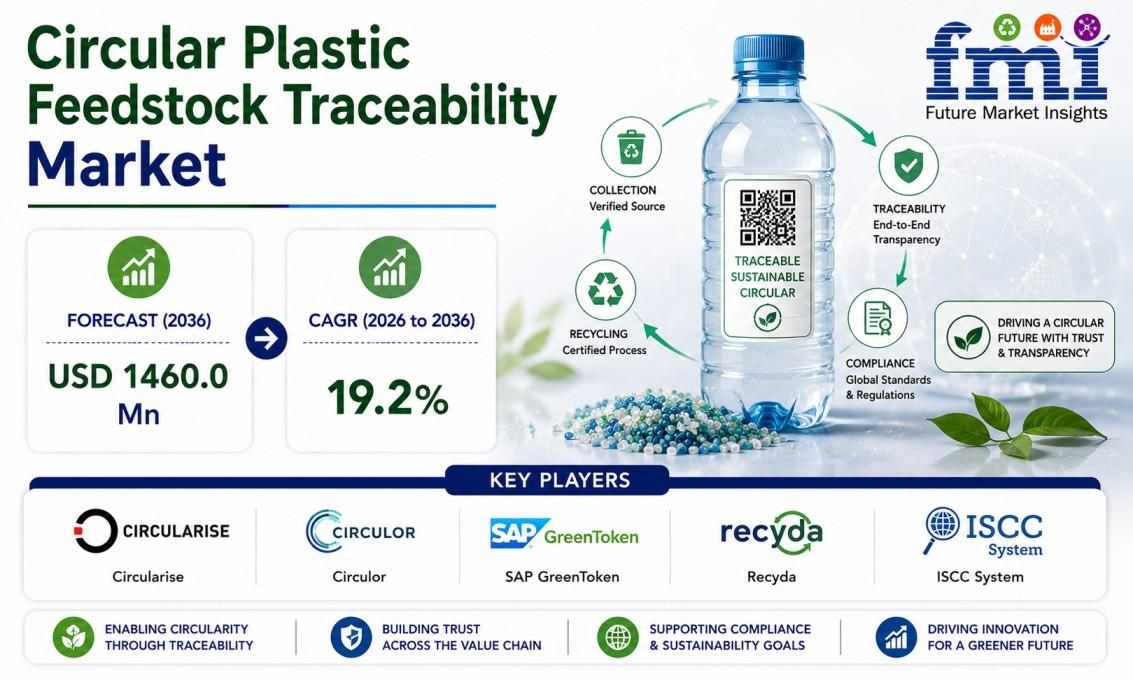
North America Circular Plastic Feedstock Traceability Market Set to Touch USD 1,460.0 Million
Networking |
2026-07-29 17:27:00
 Advertise With Us
 About Us
 Terms And Conditions
 Privacy Policy
See All
Privacy Policy
See All

Upgrade to Pro

The UK Construction Software industry is at a pivotal moment of transformation, rapidly shedding its reputation for being a technology laggard and embracing a future defined by digitization, data, and automation. For decades, the construction sector relied on manual processes, paper-based plans, and fragmented communication, leading to notorious inefficiencies, budget overruns, and project delays. Today, a powerful confluence of government mandates, competitive pressures, and the availability of sophisticated, user-friendly software is driving a profound shift. The industry now encompasses a vast and growing ecosystem of software solutions designed to manage every phase of the construction lifecycle, from initial design and planning to project management, on-site execution, and post-construction facility management. This includes a diverse range of players, from global software behemoths like Autodesk and Trimble to a vibrant and innovative ecosystem of UK-based startups, all competing to provide the digital tools that are becoming indispensable for survival and success in the modern British construction landscape. This digital revolution is not just about adopting new tools; it's about fundamentally rewiring the processes and culture of one of the UK's most important economic sectors.
The structure of the industry is shaped by the complex and multi-stakeholder nature of a construction project. At the very beginning of the lifecycle, the market is dominated by software for design and planning. This segment is led by Building Information Modeling (BIM) software, with Autodesk's Revit being the dominant platform. BIM allows architects, engineers, and construction professionals to create and manage a detailed 3D digital model of a building, which serves as a single source of truth for the entire project. This design and planning phase also includes software for cost estimation, scheduling, and tender management. Once a project moves into the execution phase, the focus shifts to project management and collaboration software. These platforms, such as those offered by Oracle (Aconex) or Procore, provide a centralized hub for managing documents, tracking progress, handling RFIs (Requests for Information) and change orders, and facilitating communication between the main contractor, subcontractors, and the client. This segment is critical for ensuring that complex projects stay on track and on budget, connecting the office with the construction site in real-time.
A significant and rapidly growing segment of the industry is software designed specifically for on-site operations and field management. The proliferation of smartphones and tablets on construction sites has enabled a new wave of mobile-first applications that bring digital workflows directly to the hands of site managers and workers. These tools are used for a variety of tasks, including daily reporting, safety compliance checks (e.g., toolbox talks and risk assessments), quality assurance/quality control (QA/QC) with photo documentation and snagging/punch lists, and resource management (tracking labor and equipment). By digitizing these on-site processes, companies can capture vast amounts of valuable data from the field, improve communication, reduce paperwork, and create a clear, auditable record of all site activities. This direct connection to the "coalface" of construction is a critical step in closing the gap between the planned project and the reality of its execution, leading to significant improvements in efficiency and quality.
The regulatory environment, particularly government policy, has been a powerful catalyst in shaping the UK construction software industry. The UK government's mandate requiring the use of BIM Level 2 on all centrally procured public projects, which came into effect in 2016, was a watershed moment. This top-down directive forced a huge segment of the industry to adopt digital modeling and collaborative workflows, acting as a massive accelerator for digital transformation. The mandate effectively created a baseline level of digital competency and spurred investment in BIM software and training across the supply chain. More recently, a growing focus on building safety, heavily influenced by the Grenfell Tower inquiry and the subsequent Building Safety Act, is driving demand for software that can create and maintain a "golden thread" of information—a detailed, accurate, and up-to-date digital record of a building's design, construction, and safety data throughout its lifecycle. This regulatory push for greater transparency and accountability is a powerful, long-term driver for the adoption of a wide range of construction software.
Explore More Like This in Our Regional Reports:
Germany Programmatic Advertising Market