English
 Arabic
 French
 Spanish
 Portuguese
 Deutsch
 Turkish
 Dutch
Dutch
 Italiano
 Russian
 Romaian
 Portuguese (Brazil)
 Greek
Greek
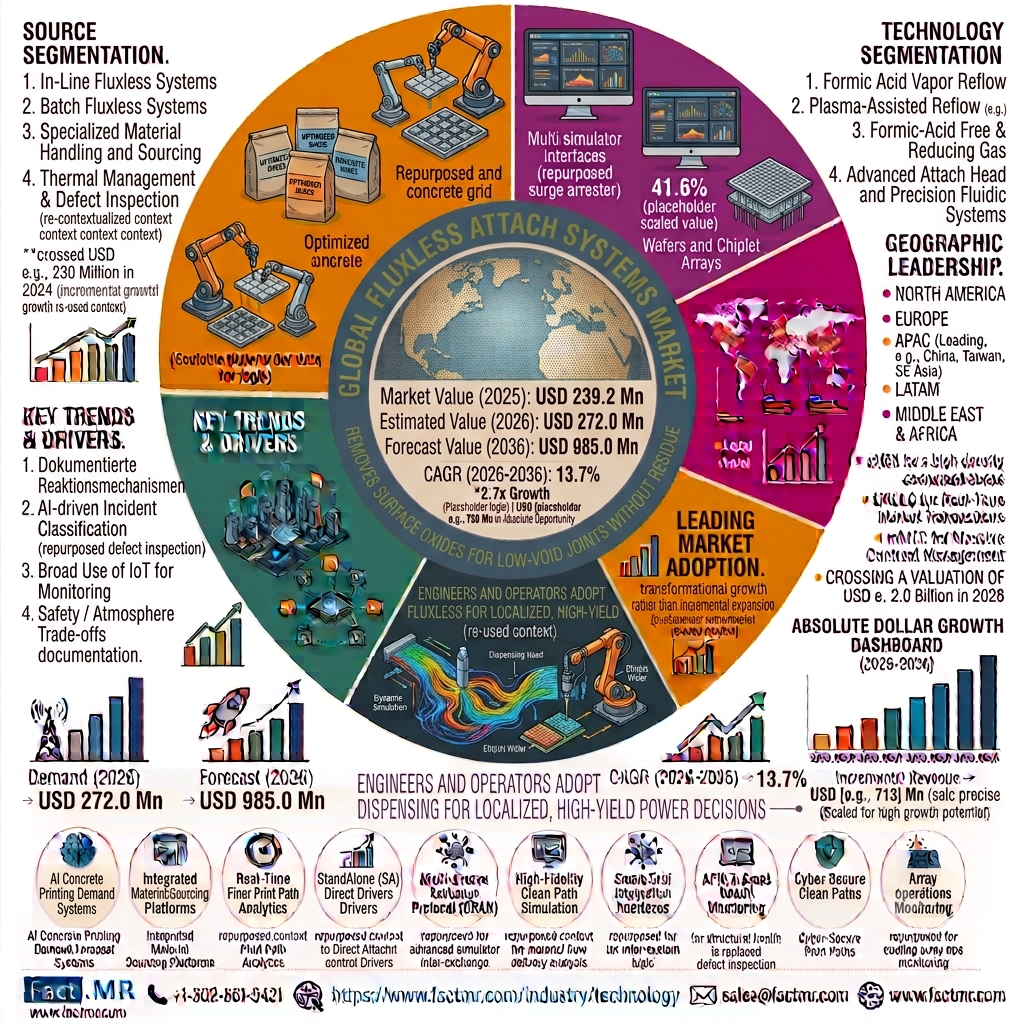
U.S. Fluxless Attach Systems Market to Reach USD 985.0 Million by 2036 as Advanced Semiconductor Assembly Drives 13.7% CAGR
Other |
2026-07-25 07:02:32
 Advertise With Us
 About Us
 Terms And Conditions
 Política de Privacidade
Ver Todos
Política de Privacidade
Ver Todos

Atualize para o Pro
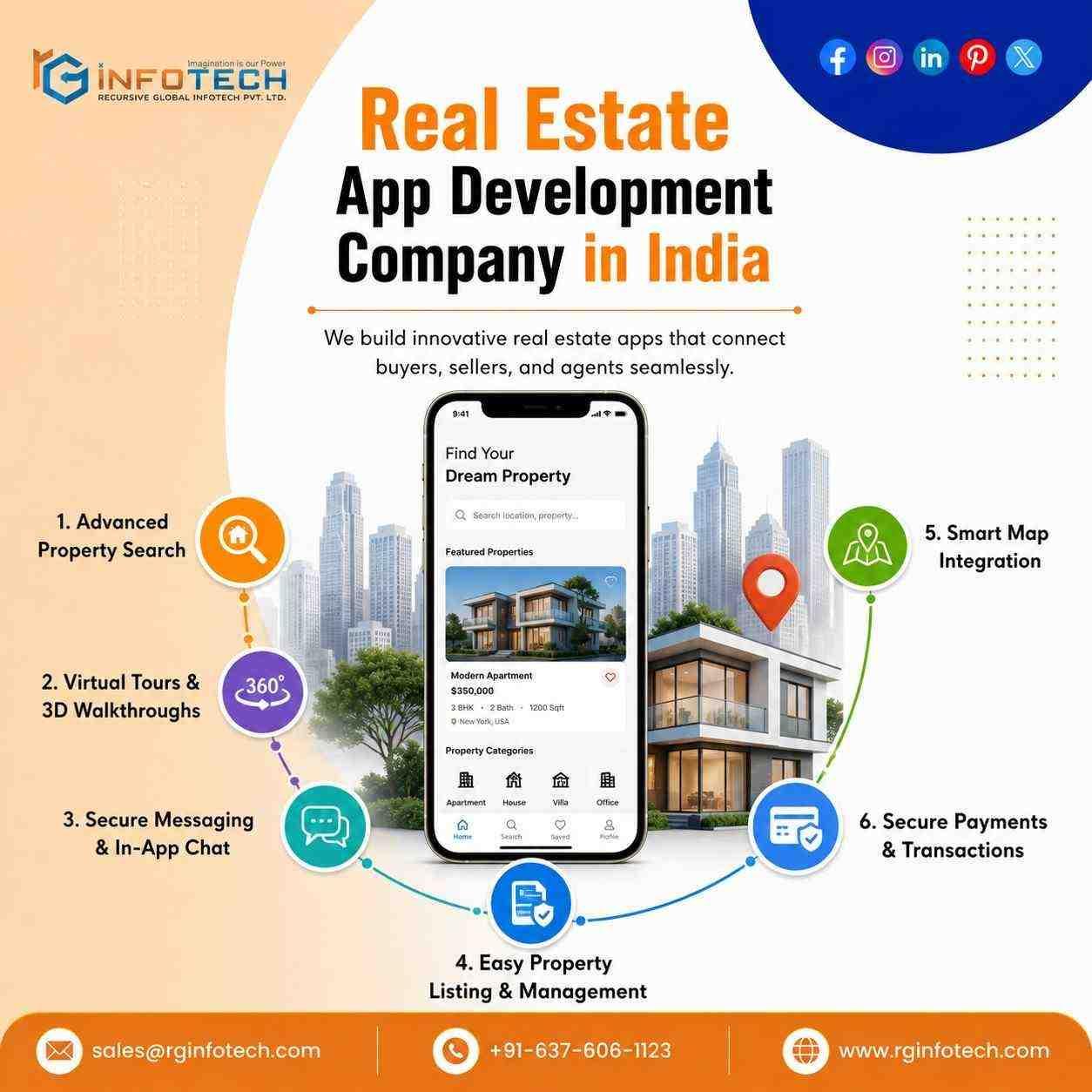
The real estate industry has undergone a major digital transformation in recent years. Buyers and investors no longer rely solely on property agents or newspaper listings to find their ideal homes or commercial spaces. Instead, they expect seamless mobile experiences that allow them to browse properties, schedule visits, compare prices, and communicate with agents—all from their smartphones.
Real estate mobile applications have become an essential tool for agencies, brokers, property developers, and startups looking to improve customer engagement and streamline operations. Whether it's residential, commercial, or rental properties, a feature-rich mobile app helps businesses stay competitive in an increasingly digital market.
This article explores how real estate app development is transforming the property business and why investing in modern technology is a smart decision in 2026.
Today's property buyers expect instant access to information. They want to search listings based on location, budget, amenities, and property type without visiting multiple offices.
A mobile application brings all these services together in one platform, allowing users to explore properties anytime and anywhere. This convenience has significantly changed how people buy, rent, and sell real estate.
Businesses that embrace digital solutions can attract more customers, improve operational efficiency, and increase sales opportunities.
One of the biggest advantages of real estate applications is advanced property search.
Modern apps allow users to filter listings by:
Location
Price range
Property type
Number of bedrooms
Area size
Amenities
Builder
Availability
AI-powered recommendation engines further personalize the experience by suggesting properties based on browsing history and user preferences.
This saves customers time while helping businesses generate higher-quality leads.
Many buyers prefer viewing properties remotely before scheduling physical visits.
Real estate applications now include:
360-degree property tours
High-quality photo galleries
Interactive floor plans
Drone videos
AR/VR walkthroughs
These immersive experiences help customers understand the property better and reduce unnecessary site visits.
Virtual tours also expand business opportunities by attracting buyers from different cities and countries.
Communication plays a crucial role in property transactions.
Modern applications integrate features such as:
In-app chat
Voice calling
Video consultations
Appointment scheduling
Push notifications
These tools help agents respond quickly to inquiries while keeping buyers informed about new listings, price updates, and scheduled visits.
Better communication leads to higher customer satisfaction and faster conversions.
Artificial Intelligence has become one of the biggest innovations in real estate technology.
AI analyzes customer behavior and recommends properties based on:
Search history
Preferred locations
Budget
Lifestyle preferences
Previous interactions
Some applications even predict future property interests, making the buying experience more personalized.
Partnering with a trusted Real Estate App Development Company in India enables businesses to integrate advanced AI capabilities that improve customer engagement and increase sales opportunities.
Property transactions involve significant financial investments, making security a top priority.
Modern real estate apps include:
Secure login
Multi-factor authentication
Data encryption
Digital document verification
Secure payment gateways
Cloud backups
These security measures protect customer information while building confidence throughout the buying or renting process.
Real estate applications benefit not only buyers but also property managers and agencies.
They simplify tasks such as:
Property listing management
Tenant management
Lease tracking
Maintenance requests
Rent collection
Agent performance monitoring
Automation reduces manual work and allows teams to focus on customer relationships and business growth.
Analytics is another powerful feature transforming the property industry.
Real estate apps provide valuable insights into:
Popular property locations
Customer preferences
Search trends
Lead conversion rates
User engagement
Sales performance
Business owners can use this information to optimize marketing campaigns, pricing strategies, and inventory planning.
A professional Real Estate App Development Company in India can build intelligent dashboards that help businesses make informed decisions using real-time data.
Cloud infrastructure enables real estate businesses to manage thousands of listings without affecting performance.
Benefits include:
High availability
Automatic backups
Fast loading speed
Data synchronization
Easy scalability
Lower infrastructure costs
As businesses expand, cloud-based applications can handle increasing traffic and growing customer databases with ease.
Today's real estate applications integrate with multiple technologies to enhance user experience.
Popular integrations include:
Google Maps
GPS Navigation
Mortgage Calculators
CRM Systems
Payment Gateways
AI Chatbots
E-signature Platforms
Property Valuation APIs
These integrations streamline the buying journey while improving operational efficiency.
Keeping users engaged is essential for long-term business success.
Real estate applications achieve this through:
Personalized notifications
Saved property lists
Favorite listings
Price alerts
Recently viewed properties
AI recommendations
Loyalty rewards
These features encourage users to return regularly and increase the likelihood of successful transactions.
The real estate market is becoming increasingly competitive.
Businesses offering modern mobile experiences gain several advantages:
Faster customer acquisition
Better brand visibility
Improved customer satisfaction
Higher lead conversion
Increased operational efficiency
Stronger customer loyalty
Investing in digital transformation allows agencies and developers to stay ahead of competitors while adapting to changing customer expectations.
Real estate technology continues to evolve rapidly.
Emerging trends include:
AI-powered virtual assistants
Blockchain property transactions
Smart contract integration
Predictive market analytics
IoT-enabled smart home integration
Voice search
Machine learning property valuation
Augmented Reality property visualization
Businesses adopting these innovations early will be better positioned for future growth.
Working with an experienced Real Estate App Development Company in India ensures your application remains scalable, secure, and ready for future technological advancements.
Real estate app development is transforming the property business by making buying, selling, renting, and property management faster, smarter, and more convenient. Features such as AI-powered recommendations, virtual property tours, secure payments, advanced search filters, cloud technology, and real-time communication create exceptional user experiences while improving operational efficiency.
As customer expectations continue to evolve, investing in a modern real estate application is no longer optional—it is essential for staying competitive in the digital marketplace. Businesses that embrace mobile technology today will be better equipped to drive customer engagement, increase revenue, and build lasting relationships in the years ahead.