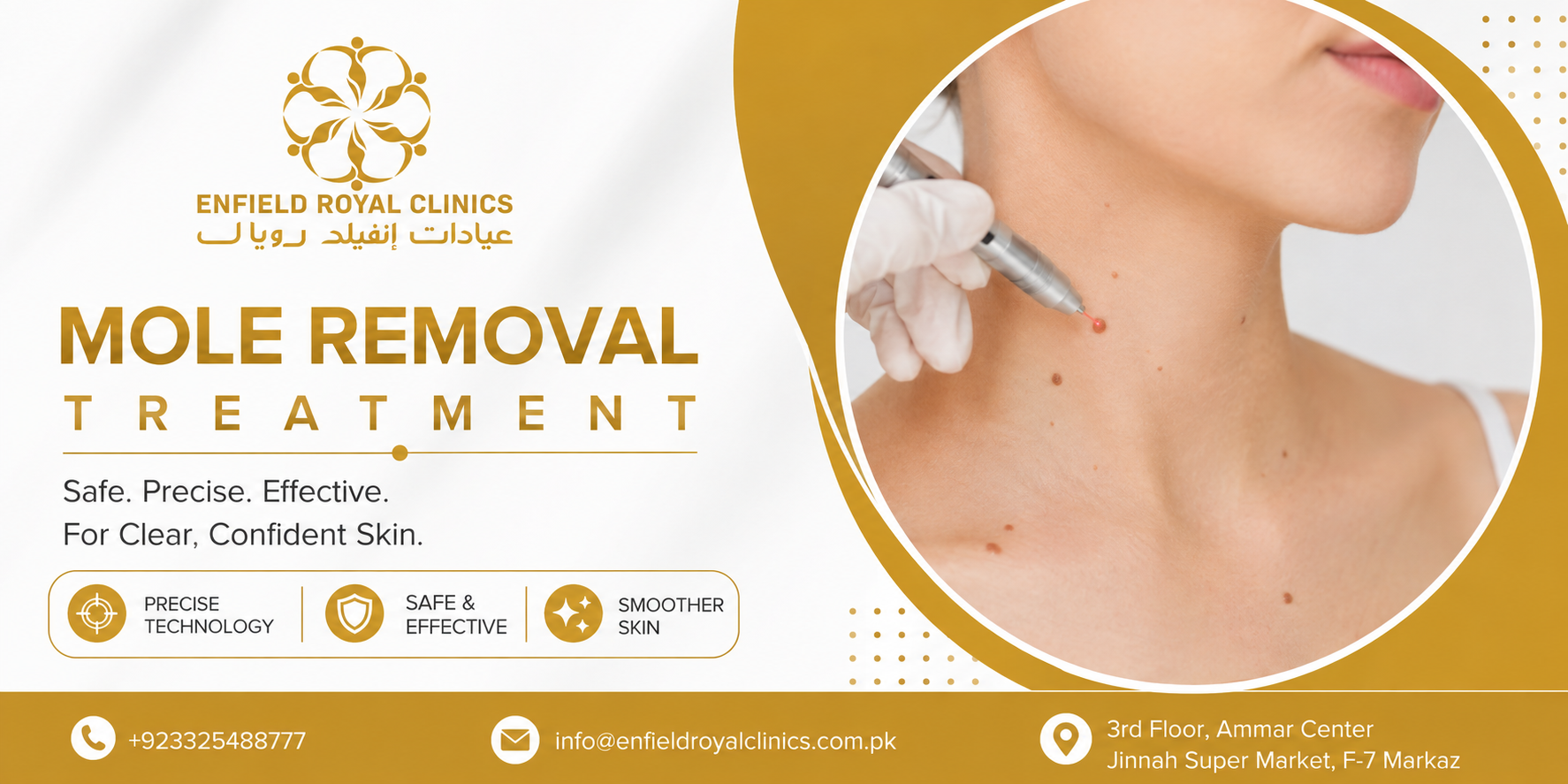
Moles are common skin growths that appear when pigment-producing cells collect together in one area of the skin. Many people choose to remove moles for cosmetic reasons, while others remove them because of irritation or changes in appearance. One common concern after treatment is whether the mole can return in the future.
The effectiveness of Mole removal Treatment depends on various factors, including the removal technique, type of mole, and how completely the mole cells are removed. While professional removal methods can provide long-lasting results, understanding the possibility of regrowth can help you make informed decisions.
Why Do Some Moles Come Back After Removal?
In some cases, a mole may appear again after removal. This usually happens when some mole cells remain under the skin after the procedure. These remaining cells can gradually produce pigment, causing the mole to reappear.
The chance of regrowth often depends on the removal method used. Procedures that remove the entire mole, including deeper cells, generally have a lower chance of recurrence compared to methods that only remove the surface portion.
However, even with proper treatment, some individuals may notice slight pigmentation returning in the treated area.
How Different Removal Methods Affect Regrowth
The technique selected for removing a mole plays an important role in the possibility of regrowth. Dermatologists choose a method based on the mole’s size, depth, location, and overall condition.
Laser Removal and Regrowth Possibility
Laser procedures are often used for certain small and superficial moles. The laser targets pigment cells to improve the appearance of the skin.
Because laser treatment may not remove deeper mole cells in some cases, there can be a possibility of regrowth depending on the mole type. A specialist determines whether this option is suitable after examining the mole carefully.
Surgical Removal and Long-Term Results
Surgical removal is often recommended for deeper or larger moles because it allows the specialist to remove the mole more completely.
Since the entire growth can be removed, this method may reduce the likelihood of recurrence. In some situations, the removed tissue may also be examined to ensure there are no concerning changes.
Shave Removal and Recurrence
Shave removal involves removing the raised portion of a mole from the skin surface. This method can provide good cosmetic results for certain raised moles.
However, because some deeper cells may remain, there is a possibility that the mole may slowly return over time. Your dermatologist can explain whether this method is appropriate for your specific mole.
Factors That Influence Mole Regrowth
Several factors can affect whether a mole returns after removal. These include:
- Depth of the mole: Deeper moles have more cells beneath the skin, which may increase the chance of recurrence.
- Removal technique: The method used determines how completely the mole is removed.
- Individual skin response: Every person’s skin heals differently after treatment.
- Aftercare practices: Proper care after removal supports better healing and reduces complications.
- Sun exposure: Excessive sunlight can contribute to new pigmentation changes on the skin.
Understanding these factors helps patients have realistic expectations after treatment.
Can Proper Aftercare Reduce the Risk of Regrowth?
While aftercare cannot completely guarantee that a mole will never return, following professional instructions can support healthy healing and better outcomes.
After treatment, patients should protect the area from excessive sun exposure, avoid picking at healing skin, and follow recommended skincare routines. Keeping the treated area protected helps maintain skin health and reduces unnecessary irritation.
Regular skin protection is also important because new moles can develop independently in other areas of the body.
How Long Do Mole Removal Results Last?
Many people experience permanent results after successful mole removal. When the mole cells are completely removed, the treated area usually remains clear.
However, results can vary depending on the type of mole and removal method. Some patients may notice minor changes over time, while others enjoy long-lasting improvement without recurrence.
Regular skin checks are recommended to monitor any changes and maintain overall skin health.
When Should You Consult a Dermatologist Again?
If a mole appears to return after removal, it is important not to ignore the change. A dermatologist can examine the area and determine whether it is normal pigmentation, scar-related changes, or actual mole regrowth.
You should seek professional advice if you notice:
- Changes in color or shape
- Rapid growth
- Bleeding or discomfort
- Unusual changes around the treated area
Early evaluation helps ensure proper care and peace of mind.
Final Thoughts
Mole removal Treatment can provide effective and long-lasting results, but complete prevention of regrowth depends on several factors. The type of mole, removal technique, and depth of the growth all influence the possibility of recurrence.
Choosing an experienced dermatologist and following proper aftercare instructions can improve treatment outcomes. A professional evaluation ensures that the most suitable removal method is selected for your skin, helping you achieve safer and more satisfying results.
 English
 Arabic
 French
 Spanish
 Portuguese
 Deutsch
 Turkish
 Dutch
Dutch
 Italiano
 Russian
 Romaian
 Portuguese (Brazil)
 Greek
Greek
 Advertise With Us
 About Us
 Terms And Conditions
 سياسة الخصوصية
عرض كل النتائج
سياسة الخصوصية
عرض كل النتائج