English
 Arabic
 French
 Spanish
 Portuguese
 Deutsch
 Turkish
 Dutch
Dutch
 Italiano
 Russian
 Romaian
 Portuguese (Brazil)
 Greek
Greek
USA Hydrogel Market Highlights 3M Company Reaching USD 7.9 Billion
Networking |
2026-07-29 15:23:34
 Advertise With Us
 About Us
 Terms And Conditions
 Политика конфиденциальности
Смотреть все
Политика конфиденциальности
Смотреть все

Обновить до Про
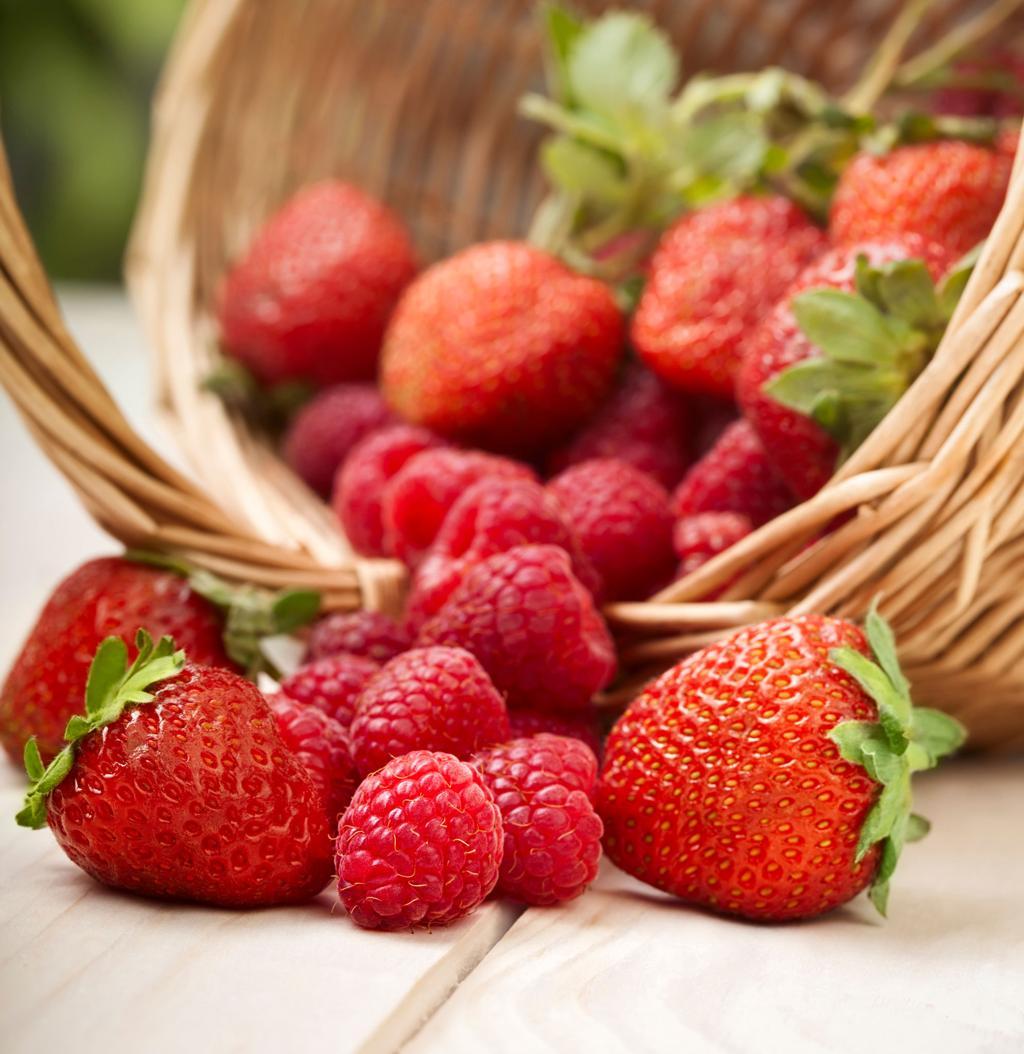
The Red Berries Market is experiencing significant geographical expansion, with the Asia-Pacific region emerging as the fastest-growing market driven by rising health consciousness, increasing disposable incomes, and growing demand for premium, nutrient-rich fruits. As per Market Research Future, the global red berries market reached an estimated USD 29.15 billion in 2025 and is projected to grow from USD 30.10 billion in 2026 to USD 43.40 billion by 2035, registering a CAGR of 4.15% across the forecast period. The Asia-Pacific red berries market is poised for exceptional growth, reflecting the region's evolving consumer landscape.
Asia-Pacific registered the fastest projected CAGR of 4.55% through 2035, driven by rising middle-class fruit consumption in China and India. The region's growth is propelled by urbanization and health-conscious consumer spending. China's strawberry output exceeded 3.5 million metric tons in 2024, though per-capita consumption remains below half of European levels, signaling substantial headroom. Japanese consumers pay among the world's highest prices for red berries in food and beverages and fresh gift-fruit applications, making the country a prime target for controlled-environment producers offering year-round berry antioxidant polyphenol-rich cultivars.
The health-driven demand for berry antioxidant polyphenols is a key factor in the region's growth. Consumers in Asia-Pacific are increasingly seeking functional foods and natural sources of antioxidants, driving demand for fresh, frozen, and processed red berry products. The growing interest in nutraceuticals and dietary supplements containing berry extracts is further expanding the market. India's Ministry of Agriculture has focused on high-value geographic zones through the Mission for Integrated Development of Horticulture (MIDH) and its specialized Cluster Development Programme, reducing obstacles to red berry cultivation, harvesting, and cold-chain logistics in altitude-favorable regions.
The rise of e-commerce and direct-to-consumer models is also accelerating market growth in the region. Subscription-based berry boxes and farm-to-door e-commerce platforms are expanding in Asian urban centers, creating new margin structures that bypass traditional wholesale intermediaries. As logistics providers offer same-day cold-chain fulfillment in Tier-1 cities, the accessibility of fresh and frozen red berries is improving, driving consumption and market expansion. The combination of health trends, urbanization, and improving distribution infrastructure positions Asia-Pacific as a key growth engine for the global red berries market.
FAQ Section:
Q1: What factors are driving the rapid growth of the red berries market in Asia-Pacific?
A: Key factors include rising health consciousness, increasing disposable incomes, urbanization, growing demand for premium and functional foods, expansion of cold-chain infrastructure, and government initiatives supporting domestic berry cultivation in countries like China, India, and Japan.
Q2: Which countries in Asia-Pacific are leading the red berries market growth?
A: China leads in production volume with expanding strawberry output, Japan commands premium prices for fresh berries, and India is emerging with government-supported horticulture programs. South Korea and Australia are also developing significant domestic and export-oriented berry sectors.