English
 Arabic
 French
 Spanish
 Portuguese
 Deutsch
 Turkish
 Dutch
Dutch
 Italiano
 Russian
 Romaian
 Portuguese (Brazil)
 Greek
Greek
Send Condolence Card Online: A Thoughtful Way to Express Sympathy from Anywhere
Admission |
2026-06-27 06:51:15
 Advertise With Us
 About Us
 Terms And Conditions
 Privacy Policy
See All
Privacy Policy
See All

Upgrade to Pro
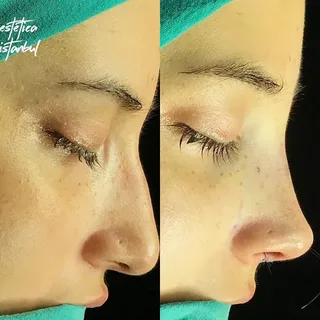
Rhinoplasty in Jeddah is a transformative procedure that can improve both the appearance and function of the nose. While the surgery itself is an important step, the recovery process plays an equally significant role in achieving successful, long-lasting results. Healing after rhinoplasty occurs gradually, and understanding what to expect each week helps patients prepare mentally and physically for the journey ahead. Swelling, bruising, and temporary nasal congestion are normal parts of recovery, and following post-operative instructions carefully can support a smoother healing experience. By knowing the typical recovery timeline, patients can approach rhinoplasty with realistic expectations and greater confidence.
Every patient heals differently, depending on factors such as age, overall health, skin thickness, the complexity of the surgery, and adherence to post-operative instructions. While some improvements become visible within the first few weeks, the final shape of the nose continues to develop over several months.
Recovery involves both external healing, such as the reduction of swelling and bruising, and internal healing, including the stabilization of bone, cartilage, and soft tissues.
Following rhinoplasty, patients spend some time in the recovery area while the effects of anesthesia wear off.
During the first few hours, it is common to experience:
Mild discomfort
Nasal congestion
Swelling around the nose
Slight bleeding or drainage
Grogginess from anesthesia
A protective splint is usually placed over the nose to help maintain its new shape during the initial healing phase.
The first day is dedicated to rest and recovery.
Patients are generally advised to:
Keep the head elevated
Rest as much as possible
Drink plenty of fluids
Take prescribed medications as directed
Avoid touching or putting pressure on the nose
Cold compresses applied around the eyes, if recommended, may help reduce swelling.
The first week is when swelling and bruising are usually most noticeable.
Common experiences include:
Bruising around the eyes
Facial puffiness
Nasal congestion
Mild discomfort
Temporary difficulty breathing through the nose
The nasal splint remains in place to protect the healing structures.
Most patients avoid work, school, and strenuous activities during this period.
Sleep with your head elevated.
Avoid bending over.
Do not blow your nose.
Eat soft, nutritious foods.
Stay hydrated.
Follow all medication instructions.
Patience during this stage is essential because visible swelling is completely normal.
By the second week, many patients notice significant improvement.
Typical changes include:
Bruising begins to fade.
Swelling gradually decreases.
Facial appearance becomes more natural.
Breathing starts improving.
Many individuals return to office-based work or school if they feel comfortable.
Although daily activities become easier, strenuous exercise should still be avoided.
The third and fourth weeks often bring noticeable progress.
Patients may experience:
Reduced facial swelling
Improved nasal definition
Better breathing
Increased comfort
Light exercise may gradually resume if approved during follow-up appointments.
However, activities that risk facial injury should still be postponed.
During this stage, healing continues internally even though many patients already feel fully recovered.
Common developments include:
Most visible swelling resolves.
Nasal contours become more refined.
Breathing continues improving.
Scar tissue gradually softens.
The nose begins to settle into its new appearance, although subtle changes continue.
Many patients become increasingly satisfied during this period.
Healing milestones often include:
Better tip definition
Improved facial harmony
Minimal residual swelling
Stable breathing function
Friends and family may notice the natural-looking improvements without recognizing that surgery was performed.
The final stage of rhinoplasty recovery involves complete tissue refinement.
By this point:
Remaining swelling gradually disappears.
Nasal contours fully develop.
Bone and cartilage stabilize.
Final cosmetic results become visible.
Patients with thicker skin may notice subtle improvements continuing even beyond one year.
Healing speed varies from person to person.
Several factors influence recovery, including:
Patients with thicker skin often experience longer-lasting swelling.
More extensive procedures generally require additional healing time.
Healthy individuals often recover more efficiently.
Smoking slows healing by reducing blood circulation and increasing the risk of complications.
Patients who carefully follow post-operative recommendations typically experience smoother recoveries.
Swelling is the most common part of rhinoplasty recovery.
Helpful ways to reduce swelling include:
Sleeping with the head elevated
Avoiding strenuous exercise
Limiting excessive sodium intake
Staying hydrated
Following medical advice
Being patient throughout healing
Most swelling resolves gradually rather than all at once.
Proper care helps protect the surgical results.
Patients should:
Avoid bumping the nose.
Wear loose-fitting clothing that does not pull over the head when possible.
Avoid wearing heavy glasses if advised.
Protect the nose from sun exposure.
Attend all follow-up appointments.
Careful handling of the nose is especially important during the early weeks.
Recovery is not only physical but emotional as well.
Some patients experience temporary emotional ups and downs because:
Swelling hides the final result.
Bruising changes daily appearance.
Healing requires patience.
Understanding that these experiences are normal can reduce unnecessary worry during recovery.
Exercise should be resumed gradually.
General recommendations often include:
Walking after the first few days
Light exercise after several weeks if approved
Avoiding contact sports for an extended period
Protecting the nose from accidental injury
Patients should always follow individualized recommendations before resuming physical activity.
Even after complete healing, maintaining the results is important.
Helpful habits include:
Protecting the nose from trauma
Wearing sunscreen
Maintaining a healthy lifestyle
Attending recommended follow-up visits
The structural improvements achieved during rhinoplasty are generally permanent.
Patients should avoid:
Blowing the nose too early
Ignoring medication instructions
Returning to heavy exercise prematurely
Sleeping flat
Smoking during recovery
Skipping follow-up appointments
Avoiding these mistakes supports optimal healing.
Most swelling improves within the first few weeks, but subtle swelling may continue decreasing for six to twelve months.
Many patients return to office-based work within one to two weeks, depending on their comfort level and the extent of surgery.
Yes. Bruising around the eyes is common during the first week and usually fades significantly within two weeks.
Although improvements appear early, the final nasal shape usually develops over six to twelve months.
Some patients are advised to avoid placing pressure on the nose for several weeks. Follow the specific guidance provided during recovery.
Rhinoplasty in Jeddah is a procedure that requires patience throughout the recovery process to achieve the best possible outcome. Healing occurs gradually, with each stage bringing noticeable improvements in appearance, comfort, and nasal function. By understanding the week-by-week recovery timeline, following post-operative instructions, and maintaining realistic expectations, patients can support smooth healing and enjoy natural-looking, long-lasting results. While the journey requires time, the combination of proper care and patience helps ensure that the final outcome enhances both facial harmony and overall confidence.