English
 Arabic
 French
 Spanish
 Portuguese
 Deutsch
 Turkish
 Dutch
Dutch
 Italiano
 Russian
 Romaian
 Portuguese (Brazil)
 Greek
Greek
Trending on BookTok The Goal by Elle Kennedy
Shopping |
2026-07-02 02:30:29
 Advertise With Us
 About Us
 Terms And Conditions
 Privacy Policy
Hepsini Gör
Privacy Policy
Hepsini Gör

Upgrade to Pro
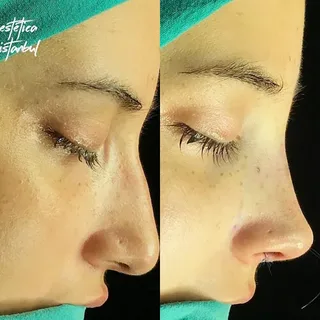
Rhinoplasty in Jeddah is not only performed to enhance the appearance of the nose but also to improve nasal function for individuals experiencing breathing difficulties. Many people struggle with chronic nasal obstruction caused by structural abnormalities such as a deviated septum, collapsed nasal valves, or previous injuries. These conditions can affect sleep quality, physical activity, and overall daily comfort. Functional rhinoplasty is designed to restore healthy airflow while maintaining or improving the appearance of the nose. By combining cosmetic refinement with structural correction, modern rhinoplasty offers a comprehensive solution that enhances both facial harmony and respiratory function.
Breathing through the nose is essential for filtering, warming, and humidifying the air before it reaches the lungs. When the nasal passages are blocked or narrowed, breathing becomes more difficult.
Common symptoms of impaired nasal breathing include:
Chronic nasal congestion
Difficulty breathing through one or both nostrils
Mouth breathing
Snoring
Poor sleep quality
Frequent sinus infections
Reduced exercise tolerance
Persistent symptoms should be properly evaluated to identify the underlying cause.
Several structural conditions may interfere with normal airflow.
The nasal septum divides the nose into two passages. When it is significantly displaced, airflow can become restricted.
The nasal valve is the narrowest part of the airway. Weakness or collapse in this area may reduce airflow during breathing.
Fractures and trauma can change the alignment of the bones and cartilage, leading to long-term breathing problems.
Some people are born with nasal structures that naturally limit airflow.
Scar tissue or structural changes from earlier procedures may contribute to persistent obstruction.
Functional rhinoplasty is a surgical procedure that focuses on improving the internal structure of the nose to restore healthy breathing.
Unlike cosmetic rhinoplasty, which primarily changes appearance, functional rhinoplasty corrects structural abnormalities that interfere with airflow.
In many cases, cosmetic and functional goals can be addressed during the same surgery.
Functional rhinoplasty may help correct:
Deviated septum
Nasal valve collapse
Crooked nose caused by trauma
Structural narrowing
Cartilage weakness
Airway obstruction
Treatment is personalized according to the patient's anatomy and symptoms.
Many patients benefit from improvements in both appearance and breathing.
Potential cosmetic benefits include:
Improved facial symmetry
Better nasal alignment
Smoother bridge
Refined nasal tip
Balanced facial proportions
Functional benefits may include:
Easier breathing
Better airflow
Improved sleep quality
Reduced mouth breathing
Greater comfort during exercise
Enhanced daily comfort
Every patient undergoes a comprehensive evaluation before surgery.
The consultation may include:
Medical history
Nasal examination
Internal airway assessment
Facial analysis
Skin evaluation
Discussion of breathing symptoms
Cosmetic goals
This information helps create a personalized surgical plan.
The exact surgical approach depends on the cause of the breathing problem.
Common techniques may include:
Straightening the septum improves airflow through the nasal passages.
Strengthening weakened cartilage helps keep the airway open during breathing.
Correcting displaced nasal bones may improve both appearance and airflow.
Additional support techniques may be used to restore long-term nasal stability.
Provides greater visibility for complex structural reconstruction.
Uses internal incisions and may be appropriate for selected patients with less extensive structural concerns.
The choice depends on the individual's anatomy and treatment goals.
Preparation supports a smooth recovery.
Patients may be advised to:
Stop smoking before surgery
Follow medication instructions
Arrange transportation after surgery
Prepare a comfortable recovery space
Follow all pre-operative recommendations
Proper preparation contributes to successful healing.
Healing occurs gradually.
Swelling develops.
Bruising around the eyes is common.
Temporary congestion is expected.
A nasal splint supports healing.
Bruising improves.
Swelling decreases.
Many patients return to work or school.
Breathing steadily improves.
Internal healing continues.
Facial appearance becomes more refined.
Final cosmetic and functional results gradually become fully apparent.
Recovery varies according to:
Surgical complexity
Skin thickness
Healing response
Previous nasal injuries
Structural corrections performed
Compliance with recovery instructions
Following aftercare recommendations helps optimize results.
Patients can support healing by:
Sleeping with the head elevated
Avoiding strenuous activities
Staying hydrated
Following medication instructions
Avoiding smoking
Protecting the nose from accidental injury
Attending follow-up appointments
These habits contribute to successful healing.
After complete healing, patients often enjoy:
Easier nasal breathing
Improved facial harmony
Better sleep quality
Greater physical comfort
Increased confidence
Long-lasting structural support
The combination of cosmetic and functional improvement often enhances overall quality of life.
Improved breathing and appearance can positively affect emotional well-being.
Many patients report:
Greater confidence
Reduced self-consciousness
Better sleep-related energy
Increased comfort during social interactions
Improved overall satisfaction
These benefits often develop gradually as healing progresses.
Candidates for functional rhinoplasty generally:
Experience chronic nasal obstruction
Are physically healthy
Have realistic expectations
Wish to improve breathing with or without cosmetic enhancement
Understand the recovery process
A detailed consultation determines the most appropriate treatment plan.
Yes. Functional rhinoplasty addresses structural problems that restrict airflow, helping many patients breathe more comfortably.
Yes. Cosmetic refinements are often combined with functional corrections during one procedure.
Yes. Swelling and bruising are expected, while breathing gradually improves as healing progresses.
Temporary congestion is common during early recovery, but many patients notice progressive improvement over the following weeks and months.
The structural improvements achieved during functional rhinoplasty are generally intended to provide long-lasting benefits.
Rhinoplasty in Jeddah offers an effective solution for individuals experiencing breathing difficulties caused by structural nasal problems while also providing the opportunity to enhance facial appearance. Through personalized treatment planning, advanced surgical techniques, and careful attention to both function and aesthetics, functional rhinoplasty restores healthy airflow and creates balanced, natural-looking results. With proper recovery and realistic expectations, patients can enjoy long-term improvements in breathing, facial harmony, confidence, and overall quality of life.