English
 Arabic
 French
 Spanish
 Portuguese
 Deutsch
 Turkish
 Dutch
Dutch
 Italiano
 Russian
 Romaian
 Portuguese (Brazil)
 Greek
Greek
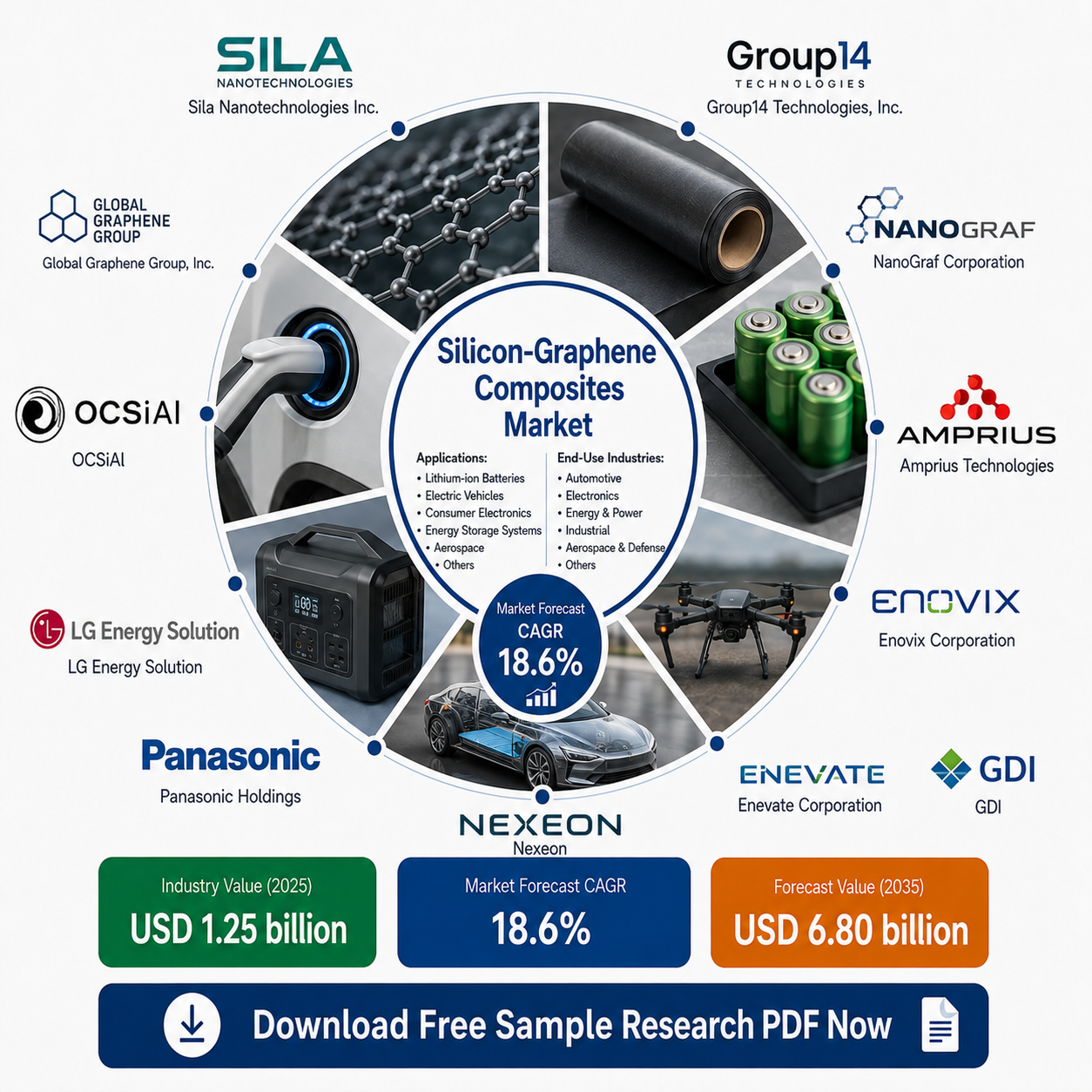
Silicon-Graphene Composites Market to Grow to USD 4.09 Billion by 2036 Supported by Battery Material Innovation and EV Expansion
Other |
2026-07-17 06:32:26
 Advertise With Us
 About Us
 Terms And Conditions
 Политика конфиденциальности
Смотреть все
Политика конфиденциальности
Смотреть все

Обновить до Про
Switching from recreational to medicinal marijuana use involves more than simply changing why you use cannabis. It means working with a qualified healthcare provider to identify a medical condition, choosing the right products, doses, and treatment plan, and using marijuana as part of a broader healthcare strategy rather than for casual enjoyment.
Many people first try marijuana recreationally but later wonder whether it could play a legitimate role in managing chronic pain, anxiety, PTSD, or other qualifying medical conditions. This question often comes up during conversations about therapy, medication management, or even when exploring newer treatment options like a Ketamine Program. Understanding the difference between recreational and medicinal use can help you make informed decisions that prioritize your long-term health and well-being.
Although both recreational and medicinal marijuana come from the same cannabis plant, their purpose and approach are very different.
Recreational marijuana is typically used for relaxation, social experiences, or personal enjoyment. The focus is often on the immediate effects rather than long-term health outcomes.
Medicinal marijuana, on the other hand, is recommended by healthcare professionals to help manage symptoms associated with specific medical conditions. Treatment is individualized, carefully monitored, and adjusted over time to maximize benefits while reducing unwanted side effects.
Unlike recreational use, medical cannabis is often integrated into a comprehensive treatment plan that may include counseling, medication management, lifestyle changes, and therapies such as Expressive Art Therapy or Eating Disorder Group Therapy, depending on the patient's overall needs.
There are many reasons someone may transition from recreational cannabis use to medical treatment.
Common reasons include:
Managing chronic pain
Reducing symptoms of anxiety
Improving PTSD-related symptoms
Supporting cancer treatment side effects
Managing multiple sclerosis symptoms
Controlling severe nausea
Treating certain seizure disorders
Seeking safer, physician-guided cannabis use
Many individuals realize that guessing doses and products isn't as effective as having medical guidance tailored to their condition.
You may want to discuss medicinal marijuana with a healthcare provider if:
You use cannabis regularly to relieve symptoms rather than simply for recreation.
Your symptoms interfere with daily life.
Traditional treatments have not provided enough relief.
You want professional guidance on safe dosing.
You are concerned about side effects or dependence.
A medical evaluation helps determine whether cannabis is appropriate and whether another treatment may be more effective.
The first step is speaking with a qualified healthcare provider.
Your clinician will review:
Your medical history
Current medications
Mental health history
Previous cannabis use
Treatment goals
This evaluation helps determine whether medicinal marijuana is appropriate for your situation.
Every state has its own rules regarding medical cannabis eligibility.
Common qualifying conditions include:
Chronic pain
PTSD
Cancer
Epilepsy
Multiple sclerosis
Severe anxiety (where applicable)
HIV/AIDS
Crohn's disease
A healthcare professional can explain whether your diagnosis qualifies under your state's medical marijuana program.
If you qualify, your provider will complete the required documentation so you can apply for a medical marijuana card if your state requires one.
This certification provides legal access to medical cannabis products that may not be available to recreational users.
Medical marijuana is available in several forms, including:
Oils
Capsules
Tinctures
Edibles
Vaporizers
Topicals
Flower
Your provider may recommend different cannabinoid ratios depending on your symptoms.
Medical treatment isn't always about choosing products with the highest THC content.
Many patients benefit from balanced THC and CBD formulations because CBD may help reduce some unwanted psychoactive effects while still supporting symptom relief.
Finding the right balance often requires careful adjustments over time.
Professional supervision helps improve both safety and effectiveness.
Healthcare providers monitor:
Symptom improvement
Side effects
Drug interactions
Changes in dosage
Long-term treatment success
Medical guidance is especially important if you're taking antidepressants, anxiety medications, sleep medications, or other prescription drugs.
Medical cannabis often works best when combined with other evidence-based treatments.
For example, patients managing emotional trauma may also participate in Expressive Art Therapy, which encourages emotional expression through creative activities. Combining medicinal marijuana with Expressive Art Therapy under professional guidance may help some individuals better engage in their overall treatment plan.
Similarly, people recovering from eating disorders may participate in Eating Disorder Group Therapy, where peer support and structured counseling play important roles. While medicinal marijuana is not a primary treatment for eating disorders, healthcare providers carefully evaluate whether it may help with related symptoms in certain cases while ensuring that Eating Disorder Group Therapy remains a central component of recovery.
Medicinal marijuana should not replace healthy habits.
Patients often experience better outcomes when they also focus on:
Regular exercise
Healthy nutrition
Good sleep habits
Stress management
Routine medical follow-ups
Many healthcare professionals also recommend Expressive Art Therapy as a healthy coping strategy for stress, emotional regulation, and personal growth. Regular participation in Expressive Art Therapy can complement broader mental health treatment without replacing clinical care.
Support groups can also be valuable. Individuals facing complex emotional or behavioral challenges frequently benefit from Eating Disorder Group Therapy, which provides accountability, education, and peer encouragement during recovery. Continued participation in Eating Disorder Group Therapy often strengthens long-term treatment success.
Switching to medicinal marijuana should be done thoughtfully.
Avoid these common mistakes:
Self-diagnosing medical conditions
Ignoring physician recommendations
Using excessively high THC products
Mixing cannabis with alcohol without medical advice
Skipping follow-up appointments
Assuming recreational products are identical to medical products
Medical treatment requires ongoing communication with your healthcare provider.
Many people do.
Once patients begin medically supervised treatment, they often transition away from casual recreational use because their focus shifts toward symptom management, consistent dosing, and improved quality of life.
The goal becomes achieving the best therapeutic benefit with the lowest effective dose rather than maximizing intoxication.
For many individuals, adding supportive mental health care further improves outcomes. Some patients discover that Expressive Art Therapy helps them process emotions that recreational cannabis once masked, while others find lasting encouragement through Eating Disorder Group Therapy when addressing co-occurring behavioral health concerns. Integrating Expressive Art Therapy and Eating Disorder Group Therapy into a personalized treatment plan reflects a holistic approach that supports both physical and emotional wellness.
Making the transition from recreational to medicinal marijuana is about shifting from casual use to evidence-based healthcare. With proper medical evaluation, personalized treatment planning, ongoing monitoring, and complementary therapies when appropriate, patients can use cannabis more safely and effectively to manage qualifying medical conditions. Seeking guidance from experienced healthcare professionals, such as those at Massachusetts Mind Center, can help ensure your treatment plan is tailored to your unique health needs.
Yes. If you have a qualifying medical condition and meet your state's requirements, you may be eligible for medical marijuana.
Not necessarily. Medical treatment focuses on the right formulation and dosage rather than maximum strength.
In most states, yes. A qualified healthcare provider must determine whether you qualify for medicinal marijuana.
Sometimes it may reduce the need for certain medications, but any changes should only be made under medical supervision.
Regular follow-up appointments help ensure your treatment remains safe, effective, and appropriate for your changing health needs.