English
 Arabic
 French
 Spanish
 Portuguese
 Deutsch
 Turkish
 Dutch
Dutch
 Italiano
 Russian
 Romaian
 Portuguese (Brazil)
 Greek
Greek
FYP Book I Haunt It That Way by Isabelle Popp
Shopping |
2026-07-01 04:58:28
 Advertise With Us
 About Us
 Terms And Conditions
 Politique de confidentialité
Tout voir
Politique de confidentialité
Tout voir

Mise à niveau vers Pro
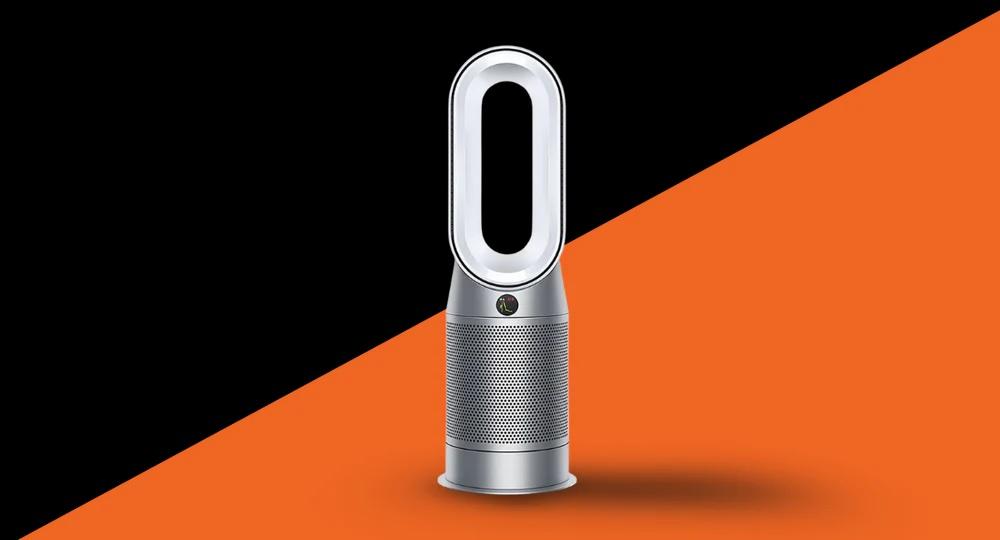
Walk into any electronics store and you'll find a wall of air purifiers, all promising cleaner air and smarter filtration. What most won't tell you upfront is the one spec that matters more than any other: whether the machine can actually handle the size of your room. Buy one that's too small for your space, and you're paying for décor, not clean air.
Every air purifier is built around a fan and a filter, and both have limits. A unit rated for a 150 sq ft bedroom simply can't clean a 400 sq ft living room in any reasonable time. Manufacturers list this as CADR - Clean Air Delivery Rate - how much filtered air the machine pushes out per minute for smoke, dust, and pollen. Higher CADR, bigger room, simple as that.
A rule of thumb worth remembering: your purifier should cycle through the full air volume of your room at least four to five times an hour, known as ACH (air changes per hour). This matters even more if anyone in the house deals with allergies or asthma - a slow trickle of "clean" air won't cut it during pollen season or a smoggy week.
Here's a rough guide, working off the four-to-five-ACH rule:
Small rooms (up to 150 sq ft) - a bedroom or home office. A compact purifier with CADR around 100-130 m³/h is plenty, and usually quieter and cheaper too.
Medium rooms (150-300 sq ft) - a standard living room or master bedroom. Look for CADR in the 200-300 m³/h range.
Large rooms (300-500 sq ft) - open-plan living/dining areas. Go closer to 350-450 m³/h, ideally with a HEPA plus activated-carbon combo for both particles and odours.
Whole-floor or open spaces (500+ sq ft) - either a heavy-duty unit rated 500 m³/h and up, or two smaller purifiers at opposite ends of the space. Two mid-size units often beat one oversized one, since airflow reaches corners better.
Room size gets you in the right ballpark, but a few other factors decide whether you'll actually be happy with the purifier day to day.
Ceiling height matters more than people expect a room with 12-foot ceilings holds more air than the floor area suggests, so size up. Open floor plans push air around too, which usually means leaning toward the next bracket rather than the exact match.
Noise is the other quiet dealbreaker. A purifier running at full blast to cover for being undersized gets loud enough to disturb sleep, so check the decibel rating at the fan speed you'll actually use overnight, not just the lowest setting on the spec sheet.
And don't ignore running costs. HEPA filters need replacing every 6-12 months depending on local air quality, so factor that into the price before you buy, not after.
Match the purifier's CADR to your room's actual square footage, lean toward the next size up if you have high ceilings or an open layout, and check the noise level at night-time settings before you commit. Get that right, and the purifier does its job quietly in the background instead of becoming another gadget gathering dust in the corner.
If you'd like help picking the right model for your space, the team at Ankur Electricals can walk you through options based on your room size and budget.