English
 Arabic
 French
 Spanish
 Portuguese
 Deutsch
 Turkish
 Dutch
Dutch
 Italiano
 Russian
 Romaian
 Portuguese (Brazil)
 Greek
Greek
Supply Companies
Other |
2026-07-08 09:41:27
 Advertise With Us
 About Us
 Terms And Conditions
 سياسة الخصوصية
عرض كل النتائج
سياسة الخصوصية
عرض كل النتائج

ترقية الحساب
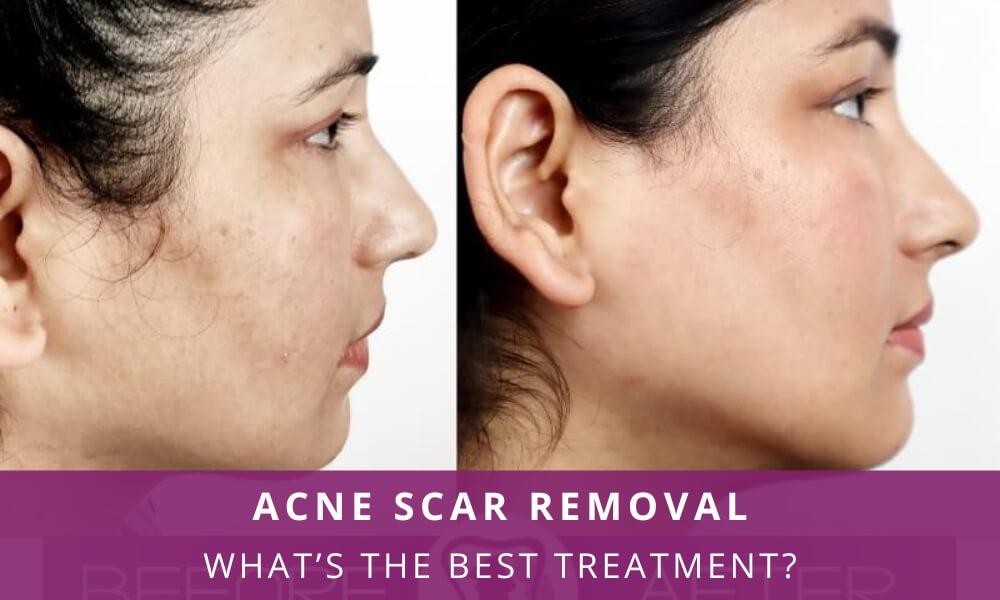
Acne scars can be a persistent reminder of past breakouts, affecting not just your skin's texture but also your self-confidence. For residents and visitors looking to restore smooth, clear skin, Acne Scar Removal in Jeddah offers advanced dermatological solutions tailored to various skin types and scar severities. Modern aesthetic clinics in the region utilize state-of-the-art technology, ranging from laser resurfacing and microneedling to chemical peels and dermal fillers, helping individuals achieve long-lasting, visible improvements. Understanding the causes of scarring, available treatment modalities, and proper aftercare is essential for anyone embarking on their skin-resurfacing journey.
Chemical peels are a well-established dermatological technique designed to improve skin texture and reduce the appearance of surface-level acne scars. By applying specialized medical-grade acid solutions to the skin, practitioners induce controlled exfoliation of damaged outer layers, prompting the regeneration of fresh, evenly pigmented skin cells.
The depth of the peel determines how effectively it can target different types of scars:
Superficial Peels: Utilizing mild acids such as glycolic acid or mandelic acid, these peels gently exfoliate the outermost epidermis, helping to brighten minor discoloration and smooth very shallow surface texture.
Medium to Deep Peels: Formulated with higher concentrations of trichloroacetic acid (TCA), these penetrate into the upper reticular dermis, making them significantly more effective for softening the sharp edges of rolling and boxcar scars.
For deep, narrow icepick scars that do not respond to broad-surface chemical peels or standard microneedling, dermatologists utilize a specialized targeted protocol known as Chemical Reconstruction of Skin Scars (CROSS).
Precise Application: A high concentration of TCA—typically ranging from 50% to 100%—is applied directly to the base of each individual scar using a microscopic applicator, ensuring the surrounding healthy tissue remains untouched.
Localized Tissue Regeneration: The high-strength acid triggers an intense localized inflammatory response and controlled tissue destruction, stimulating vigorous collagen synthesis that gradually fills the deep pit from the bottom up over a series of sessions.
Because chemical peeling agents interact directly with skin pigmentation and proteins, careful evaluation is essential before starting treatment.
Patients with melanin-rich skin must be treated with caution to avoid post-inflammatory hyperpigmentation. Dermatologists often select gentler acid formulations or prep the skin with tyrosinase inhibitors weeks prior to a medium-depth peel.
Following a chemical peel, the skin requires specialized care to heal correctly:
Sun Protection: Newly exposed skin cells are extremely sensitive to UV rays. Daily application of a broad-spectrum sunscreen with an SPF of 30 or higher is mandatory.
Moisture Barrier Maintenance: Applying gentle, hydrating barrier creams helps soothe peeling skin and prevents premature flaking that could disrupt the healing matrix.