English
 Arabic
 French
 Spanish
 Portuguese
 Deutsch
 Turkish
 Dutch
Dutch
 Italiano
 Russian
 Romaian
 Portuguese (Brazil)
 Greek
Greek
Urgent Care Billing Services for Healthcare Providers
Health |
2026-04-22 13:53:15
 Advertise With Us
 About Us
 Terms And Conditions
 Datenschutzbestimmungen
Alle anzeigen
Datenschutzbestimmungen
Alle anzeigen

Upgrade auf Pro
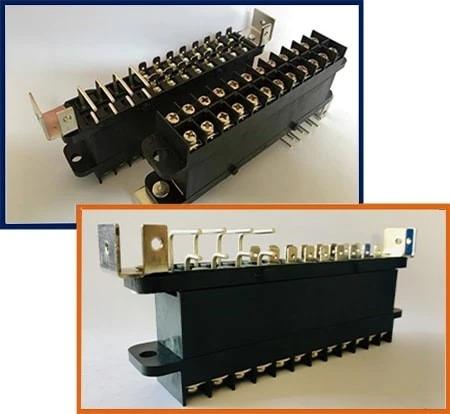
A Micro Connector plays a vital role in today's compact electronic and electrical systems, where reliable connectivity and space efficiency are essential. As industries continue to develop smaller, smarter, and more advanced devices, the demand for high-performance micro connectors has increased significantly. These connectors ensure secure electrical connections while occupying minimal space, making them suitable for modern industrial automation, automotive systems, consumer electronics, medical equipment, and telecommunications.
Whether it is a high-speed data transmission application or a low-voltage control system, choosing the right micro connector directly impacts the performance, durability, and safety of the equipment. Understanding its features, benefits, applications, and selection criteria helps engineers, manufacturers, and buyers make informed decisions. This guide explains everything you need to know about micro connectors, including their working principles, advantages, common applications, maintenance tips, and factors to consider before selecting one.
A Micro Connector is a compact electrical connector designed to connect electrical circuits while occupying minimal space. These connectors are engineered for applications where standard-sized connectors cannot fit due to space limitations. Despite their small size, they provide dependable electrical performance, stable signal transmission, and secure mechanical connections.
Micro connectors are widely used in industries that require miniaturization without compromising reliability. They are available in different configurations, including board-to-board, wire-to-board, wire-to-wire, and flexible cable connectors, depending on application requirements.
A micro connector consists of precisely designed conductive contacts enclosed within an insulated housing. When two connector halves are joined, the metal contacts establish an electrical connection that allows power or signals to pass through.
The housing protects the contacts from dust, moisture, vibration, and accidental damage while ensuring accurate alignment during installation.
Modern micro connectors are designed to deliver excellent electrical and mechanical performance even in demanding environments.
Some of the most important features include:
The compact size of a Micro Connector enables manufacturers to design smaller and lighter electronic devices without sacrificing performance. This is especially valuable in industries where equipment size directly affects functionality, portability, and efficiency.
Miniaturized connectors also allow more components to fit into limited spaces, improving overall system design.
Selecting the appropriate connector provides several advantages for industrial and commercial applications.
The primary advantage is the ability to fit into compact electronic assemblies. This allows engineers to design smaller products with greater functionality.
Micro connectors provide stable electrical connections that reduce signal loss and improve system reliability.
Many connectors are designed to withstand:
This makes them suitable for demanding industrial environments.
Well-designed connectors simplify installation, reducing assembly time and minimizing wiring errors during manufacturing.
Secure locking systems prevent accidental disconnection, helping maintain uninterrupted operation in critical equipment.
Reliable connectors reduce maintenance costs, minimize equipment downtime, and extend the service life of electrical systems.
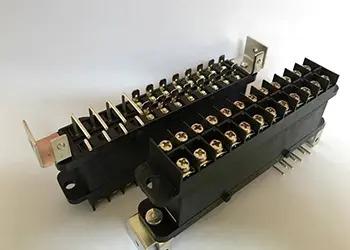
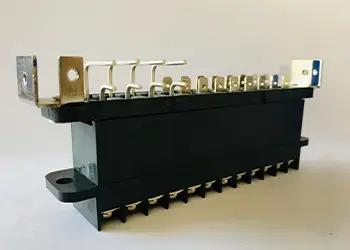
Micro connectors are widely used across numerous industries due to their versatility and dependable performance.
Modern factories rely on compact connectors for:
Vehicles contain hundreds of electrical connections that support:
Compact electronic products depend on miniature connectors, including:
Medical devices require highly reliable electrical connections for:
Communication infrastructure uses micro connectors in:
Compact connectors help reduce equipment weight while maintaining dependable electrical performance in demanding operating conditions.
Different applications require different connector configurations.
These connect printed circuit boards while maintaining accurate signal transmission in compact assemblies.
These connectors join wires directly to printed circuit boards and are commonly used in industrial equipment.
Suitable for connecting cable assemblies without requiring a circuit board.
These are designed for flexible circuit applications commonly found in compact electronic devices.
These connectors provide reliable connections where durability and environmental protection are important.
Selecting the right connector requires careful evaluation of technical and environmental requirements.
Check:
Consider exposure to:
Choosing connectors with suitable protection improves long-term reliability.
Ensure the connector fits available installation space without affecting surrounding components.
Applications requiring frequent connection and disconnection should use connectors designed for high mating cycle durability.
Reliable locking systems help prevent accidental separation caused by vibration or movement.
High-quality contact materials such as gold-plated or tin-plated contacts improve conductivity and corrosion resistance.
Proper installation significantly improves connector life and system performance.
Routine maintenance helps prevent unexpected failures.
Recommended practices include:
Regular inspections improve equipment reliability and reduce costly downtime.
Although micro connectors are highly reliable, certain issues may occur over time.
| Challenge | Solution |
|---|---|
| Loose connection | Verify proper locking and installation |
| Corrosion | Use corrosion-resistant contacts and clean regularly |
| Signal interruption | Inspect damaged contacts and replace faulty connectors |
| Overheating | Ensure correct current rating and proper ventilation |
| Mechanical wear | Choose connectors with higher mating cycle ratings |
Addressing these issues early prevents larger system failures.
The growing demand for compact electronics continues to drive innovation in connector technology.
Emerging trends include:
As industries adopt more connected and intelligent systems, micro connectors will continue evolving to meet increasing performance requirements.
The Micro Connector has become an essential component in modern electrical and electronic systems due to its compact size, reliable performance, and versatility. From industrial automation and automotive electronics to medical devices and telecommunications, these connectors enable efficient and dependable electrical connections in space-constrained applications.
Understanding the different types, key features, benefits, and selection criteria helps ensure the right connector is chosen for every application. Proper installation and regular maintenance further enhance reliability, reduce downtime, and extend equipment lifespan. As technology continues to advance, micro connectors will remain a critical part of next-generation electronic systems, supporting greater miniaturization, improved efficiency, and higher performance across a wide range of industries.