English
 Arabic
 French
 Spanish
 Portuguese
 Deutsch
 Turkish
 Dutch
Dutch
 Italiano
 Russian
 Romaian
 Portuguese (Brazil)
 Greek
Greek
Life Science Cloud Market Research Report: Market Opportunities, Challenges & Forecast Analysis
Art |
2026-08-06 09:34:03
 Advertise With Us
 About Us
 Terms And Conditions
 Privacy Policy
Mostra tutti i risultati
Privacy Policy
Mostra tutti i risultati

Passa a Pro
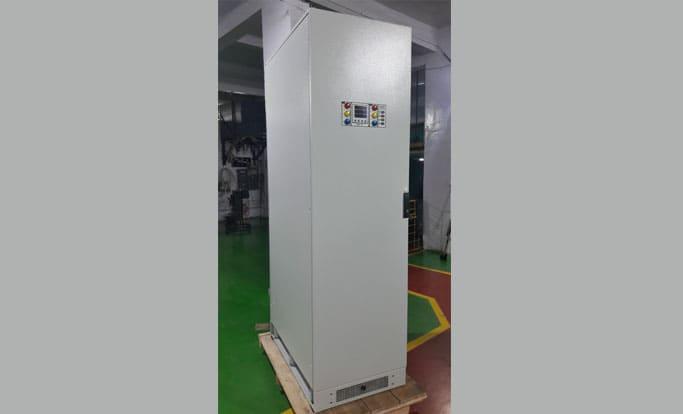
An Isolation Transformer Cubicle plays a vital role in ensuring electrical safety, reliable power distribution, and equipment protection across various industrial and commercial applications. It is specially designed to isolate electrical circuits, reduce electrical noise, and protect sensitive equipment from voltage fluctuations, short circuits, and other electrical disturbances. Whether used in manufacturing facilities, hospitals, data centers, or commercial buildings, these systems help maintain uninterrupted power quality while enhancing operational safety.
As industries increasingly depend on sophisticated electrical equipment, maintaining stable and clean power has become more important than ever. An Isolation Transformer Cubicle not only safeguards expensive machinery but also improves system efficiency and minimizes downtime. Understanding its features, benefits, applications, and maintenance practices can help businesses make informed decisions when selecting the right electrical protection solution.
An Isolation Transformer Cubicle is an enclosed electrical system that houses an isolation transformer along with essential protective and control components. The enclosure provides mechanical protection while ensuring safe operation in industrial environments.
The primary function of an isolation transformer is to electrically separate the input and output circuits. Unlike conventional transformers, it transfers power through magnetic induction without creating a direct electrical connection between the source and the load.
This electrical isolation provides several advantages, including:
These cubicles are manufactured using high-quality electrical-grade materials and are designed to comply with industry safety standards for dependable performance.
An isolation transformer consists of separate primary and secondary windings. Electrical energy is transferred magnetically instead of through direct electrical contact.
This design helps:
The cubicle typically includes various protective devices such as:
Together, these components create a safe and reliable electrical distribution system suitable for demanding industrial environments.
The enclosure protects internal electrical components from dust, moisture, accidental contact, and mechanical damage.
One of the major advantages of an Isolation Transformer Cubicle is enhanced electrical safety through complete galvanic isolation.
Electrical noise and electromagnetic interference can negatively impact sensitive electronic equipment. Isolation transformers significantly reduce these disturbances.
The transformer separates incoming power from outgoing power, minimizing the transfer of unwanted electrical disturbances.
Modern cubicles are designed with efficient ventilation or cooling arrangements that prevent overheating and improve transformer lifespan.
Well-designed cubicles provide convenient access for inspection, servicing, and maintenance while ensuring operator safety.
These systems are built using corrosion-resistant materials that perform reliably even in challenging industrial conditions.
Choosing the right Isolation Transformer Cubicle offers several operational and safety advantages.
Sensitive electrical equipment can be damaged by voltage spikes, surges, and electrical disturbances. Isolation transformers help minimize these risks.
Power quality directly affects equipment performance. Isolation transformers help deliver cleaner electrical power by reducing unwanted electrical noise.
Electrical isolation reduces the possibility of electric shock, making the workplace safer for operators and maintenance personnel.
Reliable power distribution decreases equipment failures and minimizes unexpected production interruptions.
Stable electrical supply helps reduce wear on electrical components, extending the lifespan of valuable equipment.
Protecting equipment from electrical disturbances often results in fewer repairs and reduced maintenance expenses.
Industrial operations require uninterrupted electrical performance. Isolation Transformer Cubicles contribute significantly to system reliability.
Isolation Transformer Cubicles are widely used across multiple industries where electrical safety and power quality are essential.
Manufacturing plants rely on precision machinery that requires stable and isolated power supplies.
Common equipment includes:
Medical equipment requires uninterrupted and noise-free electrical power.
Applications include:
Servers and networking equipment are highly sensitive to electrical disturbances.
Isolation transformers help maintain:
Large commercial facilities use Isolation Transformer Cubicles for safe and efficient electrical distribution.
Precision instruments require clean electrical power for accurate testing and measurements.
Automated manufacturing systems and laboratory equipment benefit from reliable isolated power supplies.
Engineering laboratories and technical training centers use isolation transformers to provide safe electrical environments.
Selecting the appropriate solution requires careful evaluation of several factors.
Calculate the total connected load and allow additional capacity for future expansion.
Ensure compatibility with:
Installation location affects enclosure selection.
Factors include:
Choose products that comply with applicable electrical safety regulations and industry standards.
Look for important protection mechanisms such as:
Proper cooling ensures reliable long-term operation and prevents overheating.
Select a system that allows flexibility for future electrical load increases.
Proper installation and regular maintenance maximize system performance and service life.
Regular inspections should include:
Preventive maintenance helps identify minor issues before they become major failures.
Recommended activities include:
Always:
Many electrical issues can be prevented by avoiding common installation and operational mistakes.
Undersized transformers may overheat, while oversized units can reduce efficiency.
Restricted airflow increases operating temperatures and shortens equipment life.
Skipping regular inspections often leads to unexpected failures and expensive repairs.
Incorrect grounding compromises both safety and system performance.
Selecting quality electrical components improves long-term reliability and reduces maintenance costs.
An Isolation Transformer Cubicle is an essential component for maintaining electrical safety, improving power quality, and protecting valuable equipment in industrial, commercial, and institutional environments. By providing electrical isolation, reducing interference, and enhancing system reliability, it contributes to safer operations and lower maintenance costs. Selecting the appropriate cubicle based on load requirements, environmental conditions, and safety standards, combined with regular maintenance, ensures long-term performance and dependable power distribution. Investing in a properly designed Isolation Transformer Cubicle is a practical step toward improving electrical system efficiency, operational continuity, and workplace safety.