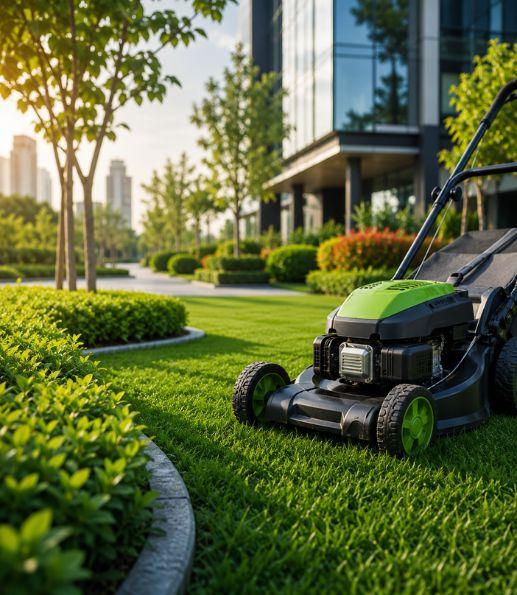
The appearance of a commercial property plays a significant role in how customers, clients, employees, and visitors perceive a business. Long before someone walks through the front door, the condition of the outdoor space creates a first impression. A neat, well-maintained lawn communicates professionalism, attention to detail, and pride in the workplace, while neglected grounds can suggest the opposite.
Many businesses focus heavily on maintaining their buildings, signage, and interiors but overlook the importance of regular lawn care. Grass may seem like a small part of the overall property, yet failing to maintain it consistently can lead to higher costs, safety risks, and a less appealing environment.
Investing in routine landscape maintenance isn't just about appearance—it's about protecting your property, your reputation, and your long-term investment.
First Impressions Matter More Than You Think
Whether you operate an office, retail store, warehouse, school, or industrial facility, your outdoor areas are often the first thing people notice.
An overgrown lawn can make even a well-maintained building appear neglected. Weeds, uneven grass, and untidy edges may cause visitors to question the professionalism of the business before they even enter the premises.
A clean and attractive landscape helps create confidence, making customers and clients feel more comfortable and welcomed.
Neglected Lawns Can Damage Your Business Image
Every business works hard to build a positive reputation.
Unfortunately, poor outdoor maintenance can quickly undermine that effort.
Common issues include:
- Long grass
- Overgrown edges
- Weeds spreading across pathways
- Untidy garden beds
- Patchy or dying turf
These problems may seem minor individually, but together they create an impression that routine maintenance is being overlooked.
Maintaining an attractive exterior demonstrates care, organisation, and attention to detail.
Safety Risks Increase Without Regular Care
An overgrown lawn isn't just unattractive—it can also become a safety hazard.
Long grass may hide:
- Uneven ground
- Tree roots
- Rocks
- Holes
- Drain covers
- Irrigation equipment
These hidden obstacles increase the risk of trips and falls for employees, visitors, delivery drivers, and contractors.
Keeping grass at an appropriate height improves visibility and creates a safer environment for everyone using the property.
Weeds Become More Difficult to Control
When lawns are left unattended, weeds quickly establish themselves.
Once they begin spreading, they compete with healthy grass for sunlight, nutrients, and water.
Over time, this can result in:
- Thinner turf
- Bare patches
- Increased maintenance
- Higher restoration costs
Routine mowing and ongoing maintenance help reduce weed growth before it becomes a widespread problem.
Healthy Grass Supports Better Drainage
Grass plays an important role in managing rainwater across a property.
A healthy lawn helps absorb water and reduce surface runoff.
However, neglected areas often develop compacted soil, uneven growth, and poor drainage.
This may contribute to:
- Muddy surfaces
- Standing water
- Slippery walkways
- Soil erosion
Regular maintenance encourages stronger root systems that improve overall drainage performance.
Pests Are More Likely to Move In
Long grass provides excellent shelter for various unwanted pests.
Depending on the location, overgrown lawns may attract:
- Rodents
- Insects
- Spiders
- Snails
- Other small animals
Once pests become established outdoors, they may eventually find their way into nearby buildings.
Keeping lawns tidy reduces the number of places where pests can hide and breed.
Deferred Maintenance Usually Costs More
Many businesses postpone lawn care in an attempt to reduce short-term expenses.
Unfortunately, delaying maintenance often creates larger problems that require more time, labour, and resources to correct.
Instead of simple routine mowing, neglected properties may eventually require:
- Weed removal
- Lawn restoration
- Soil improvement
- Turf replacement
- Extensive landscaping work
Preventative maintenance is generally far more cost-effective than major restoration projects.
Consistency Delivers Better Results
Healthy lawns respond best to regular care rather than occasional heavy maintenance.
Consistent mowing encourages:
- Even grass growth
- Stronger root development
- Improved appearance
- Better resistance to weeds
- Healthier turf throughout the year
Rather than allowing the lawn to become overgrown between visits, scheduled maintenance keeps the entire property looking professional every season.
When Professional Maintenance Makes Sense
Large commercial properties often require specialised equipment, experienced operators, and consistent scheduling to maintain high standards throughout the year.
At this stage, many businesses choose commercial lawn mowing services to ensure their outdoor areas remain safe, attractive, and professionally maintained without placing additional demands on internal staff. Regular maintenance also helps create a welcoming environment for customers while preserving the long-term condition of the landscape.
Professional care provides consistency that is often difficult to achieve through occasional in-house maintenance.
Benefits Beyond Appearance
Regular lawn maintenance delivers advantages that extend well beyond visual appeal.
Businesses often experience:
- Improved customer confidence
- Safer outdoor spaces
- Better staff morale
- Enhanced property value
- Reduced long-term maintenance costs
- Stronger first impressions
- Healthier landscapes
These benefits contribute to a more professional image while protecting the property's overall condition.
Building a Practical Maintenance Schedule
Every commercial property has different maintenance requirements depending on its size, location, grass type, and seasonal growth.
A practical schedule should include:
- Routine mowing
- Edge trimming
- Weed monitoring
- Seasonal fertilisation
- Irrigation checks
- Removal of debris
- Regular landscape inspections
Planning maintenance throughout the year helps prevent small issues from becoming expensive problems.
Why Outdoor Presentation Influences Customer Confidence
Customers often associate the appearance of a property with the quality of the business operating within it.
An attractive landscape communicates professionalism, reliability, and attention to detail.
Whether someone is visiting for the first time or returning as a long-term client, a clean and well-maintained exterior reinforces a positive impression before any conversation even begins.
Small improvements to outdoor presentation can have a lasting impact on customer perception.
Conclusion
A well-maintained lawn is much more than an attractive feature—it is an important part of your business's overall presentation, safety, and long-term property management strategy. Ignoring routine maintenance can lead to unnecessary expenses, increased safety risks, weed growth, pest problems, and a decline in the professional appearance of your premises.
By maintaining your outdoor spaces consistently, you protect your investment, create a welcoming environment for visitors, and strengthen the image of your business. Regular lawn care is a simple step that delivers lasting benefits, helping your commercial property remain functional, appealing, and ready to make a positive first impression every day.
 English
 Arabic
 French
 Spanish
 Portuguese
 Deutsch
 Turkish
 Dutch
Dutch
 Italiano
 Russian
 Romaian
 Portuguese (Brazil)
 Greek
Greek
 Advertise With Us
 About Us
 Terms And Conditions
 سياسة الخصوصية
عرض كل النتائج
سياسة الخصوصية
عرض كل النتائج