English
 Arabic
 French
 Spanish
 Portuguese
 Deutsch
 Turkish
 Dutch
Dutch
 Italiano
 Russian
 Romaian
 Portuguese (Brazil)
 Greek
Greek
Passport Reader Market Latest Trend, Growth, Size, Application & Forecast by 2031
Other |
2026-06-08 03:50:06
 Advertise With Us
 About Us
 Terms And Conditions
 Datenschutzbestimmungen
Alle anzeigen
Datenschutzbestimmungen
Alle anzeigen

Upgrade auf Pro
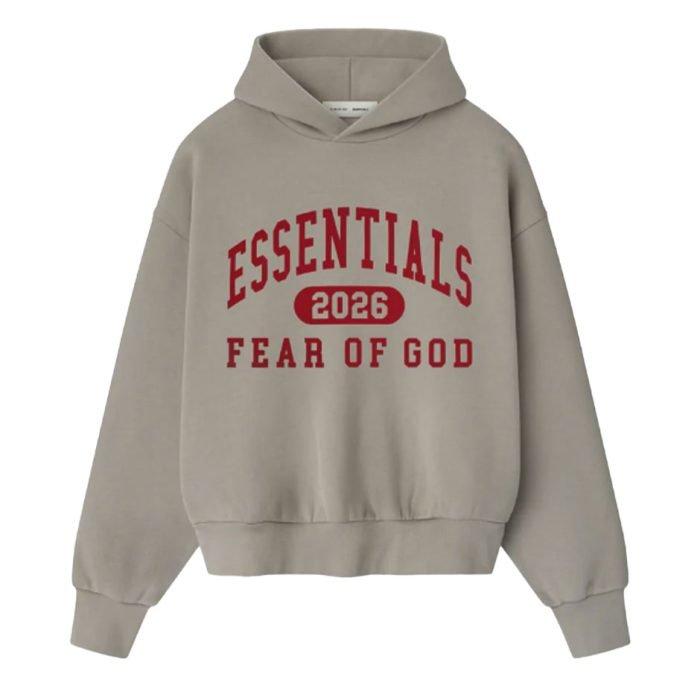
If you've spent any time scrolling through streetwear forums or watching what off-duty celebrities wear to grab coffee, you've probably noticed the same silhouette popping up again and again: a boxy, slightly oversized hoodie in a muted, almost dusty color. That's the Essential Hoodie, and it's become one of the most recognizable pieces in modern casual fashion. This guide breaks down what makes it different, how to size it correctly, how to style it, and whether it's actually worth the price tag.
An Essentials Hoodie is a premium, minimalist hooded sweatshirt built around a boxy, oversized silhouette, heavyweight cotton fleece, and a muted, neutral color palette. Unlike typical hoodies, it emphasizes clean lines, subtle branding, and construction quality over logos or graphics, making it a staple of modern minimalist streetwear.
The term is most closely tied to Fear of God Essentials, but it's now used more broadly to describe any hoodie that follows this same design philosophy: relaxed proportions, drop shoulders, a soft-brushed interior, and a color story built around greys, taupes, browns, and off-whites rather than bold prints.
Fear of God started as a high-end luxury label from designer Jerry Lorenzo, known for elevated streetwear with a premium price point. Essentials launched as a more accessible diffusion line, aiming to bring that same silhouette and fabric sensibility to a wider audience without the luxury markup.
What made Essentials stand out wasn't flashy design. It was restraint. At a time when streetwear was dominated by loud graphics and collaborations, Essentials leaned into simplicity: rubberized logos, tonal stitching, and a fit that felt intentionally oversized rather than sloppy. That quiet confidence is a big part of why the line resonated so strongly with shoppers who wanted to look put-together without trying too hard.
A few things came together at once. Minimalist fashion was already trending, oversized fits were replacing slim streetwear, and social media made it easy for a single distinctive silhouette to spread fast. Essentials hoodies also hit a sweet spot: premium enough to feel special, accessible enough that people could actually justify buying one.
There's also a practical side to it. The relaxed fit works on almost any body type, the neutral colorways pair with nearly anything else in a closet, and the heavyweight fabric means the hoodie holds its shape wash after wash instead of going saggy after a few months.
This is where the price difference from a basic hoodie actually starts to make sense. Essentials hoodies typically use a heavyweight cotton fleece, often blended with a small percentage of polyester for structure and shape retention. The fabric weight is what gives the hoodie its characteristic drape: heavy enough to hang well on an oversized frame, but not so stiff that it feels like a sweatshirt from decades past.
Fleece weight is usually measured in GSM (grams per square meter). Budget hoodies often sit in the 180–220 GSM range, which feels thin and prone to pilling. Premium hoodies, including most Essentials pieces, tend to run heavier, which is a big part of why they feel more substantial in hand and hold up better over time.
Essentials hoodies run intentionally large, so most people either size down or stick to their normal size depending on how oversized they want the look. Here's a general reference:
| Size | Chest Width (approx.) | Best For |
|---|---|---|
| S | 21–22 in | Fitted-oversized look, smaller frames |
| M | 22–23 in | Standard oversized fit for average build |
| L | 23–24.5 in | Relaxed, roomy oversized fit |
| XL | 24.5–26 in | Maximum drape, layering-friendly |
| XXL | 26–27.5 in | Extra-loose, streetwear-heavy look |
If you prefer a slightly more fitted silhouette, size down one from your usual. If you want the classic slouchy, oversized look these hoodies are known for, stick with your true size or size up.
Oversized fit means dropped shoulders, extra room through the body, and longer sleeve and body length. This is the signature look most people associate with Essentials.
Regular fit hoodies follow your natural shoulder line and body shape more closely, which some shoppers prefer for a cleaner, less bulky silhouette. If you're layering under a jacket, a regular or slightly smaller size often works better than a fully oversized cut.
| Color | Popularity | Best Styling Use |
|---|---|---|
| Heather Grey | Very High | Everyday, pairs with everything |
| Cream/Off-White | High | Clean, minimalist looks |
| Buttercream/Tan | High | Layering, neutral outfits |
| Black | High | Versatile, easy to dress up |
| Brown/Cocoa | Moderate | Fall and winter styling |
| Olive/Green tones | Moderate | Seasonal, earthy palettes |
Neutral tones consistently outsell brighter colors, largely because they're easier to build outfits around and don't feel dated after a season or two.
Essential Shorts follow the same boxy, minimalist design language as the hoodies, which is exactly why so many shoppers buy them together as a matching set. The relaxed fit of the shorts balances the volume of an oversized hoodie, and the tonal colorways make it simple to keep the whole outfit cohesive without much effort. This combination has become a go-to warm-weather streetwear look, especially paired with slides or low-top sneakers.
Spring/Summer: Hoodie with Essential Shorts, or a lighter fleece hoodie tied around the waist over a t-shirt and joggers.
Fall: Hoodie layered under a denim or utility jacket with straight-leg jeans.
Winter: Hoodie layered under a heavier coat, paired with thermal leggings or fleece-lined pants for extra warmth.
| Pros | Cons |
|---|---|
| Heavyweight, durable fabric | Higher price point than basic hoodies |
| Flattering oversized fit for most body types | Sizing runs large, can be confusing for first-time buyers |
| Neutral colors are easy to style | Limited availability on popular colorways |
| Minimal branding ages well over time | Not ideal for those who prefer fitted hoodies |
| Holds shape after repeated washing | Resale market has counterfeit risks |
If you mainly want something to throw on for the gym or errands, a basic hoodie will do the job for less money. If you want a piece that looks intentional and holds up over years of wear, the investment tends to make more sense.
| Feature | Essentials Hoodie | Regular Hoodie |
|---|---|---|
| Fabric weight | Heavyweight fleece | Often lighter, thinner fleece |
| Fit | Oversized, boxy | Standard or slim |
| Branding | Minimal, tonal | Often larger logos/prints |
| Price | Premium | Budget to mid-range |
| Durability | Holds shape over time | Prone to stretching/pilling |
| Styling versatility | High, neutral palette | Varies by design |
What makes an Essential Hoodie different from a regular hoodie?
The main differences come down to fit, fabric, and finishing. Essential Hoodies use an oversized, boxy silhouette instead of a standard cut, along with heavier cotton fleece that holds its shape over time. Branding is minimal and tonal rather than bold, and details like ribbing and stitching are noticeably more refined than what you'd find on a basic mass-market hoodie.
Is Fear of God Essentials worth buying?
For shoppers who value fabric quality, fit, and long-term durability, Essentials hoodies are generally considered a worthwhile investment. They cost more than basic hoodies, but the heavier fleece and construction quality mean they tend to hold up better over repeated wear and washing, which can offset the higher upfront price over time.
How do Essentials hoodies fit compared to normal sizing?
They run intentionally oversized. Most people either stick with their usual size for a relaxed, roomy look or size down for a slightly more fitted silhouette. It's worth checking the specific size chart for the drop you're buying, since fits can vary slightly between releases.
What is the best way to style an Essentials hoodie?
Pairing it with neutral, relaxed bottoms like cargo pants, joggers, or straight-leg jeans keeps the proportions balanced. Because the colors are so muted, Essentials hoodies work well as a base layer under jackets or as the main statement piece with minimal accessories.
How can I tell if an Essentials hoodie is high quality?
Look for even, flat stitching, ribbing that snaps back after stretching, a soft brushed fleece interior, and consistent, even coloring. Cheaper imitations often have looser stitching, thinner fabric, and drawstrings or hardware that feel flimsy.
How should I wash an Essentials hoodie to keep it looking new?
Wash in cold water on a gentle cycle, turn the hoodie inside out first, and skip fabric softener. Air drying is gentler on the fleece than a hot dryer, which can cause shrinkage and pilling over repeated washes.
Why do people wear Essential Shorts with hoodies?
The shorts and hoodies share the same relaxed, minimalist design language, which makes them easy to pair as a matching set. The boxy shorts balance the volume of an oversized hoodie, creating a cohesive, put-together look that's become a signature warm-weather streetwear outfit.
What colors are most popular for Essentials hoodies?
Neutral tones dominate, especially heather grey, cream, tan, and black. These colors are popular because they're easy to mix into almost any outfit and tend to feel timeless rather than trend-dependent, unlike brighter or more seasonal colorways.
Can Essentials hoodies be worn in warmer weather?
Yes, though the heavyweight fleece is best suited to cooler temperatures. For warmer weather, lighter fleece weights or shorter styling, like pairing the hoodie with shorts or tying it around the waist, can help make the piece work across more of the year.
Are Essentials hoodies true to the luxury streetwear trend, or just hype?
While hype and visibility definitely helped popularize the line, the fabric weight, fit, and construction quality are genuine differentiators compared to basic hoodies. That combination of design restraint and real material quality is a big reason the style has stayed popular rather than fading as a short-term trend.
The Essential Hoodie earned its popularity by doing less, but doing it well. Heavyweight fabric, a relaxed and flattering fit, and a color palette that never really goes out of style all add up to a piece that works whether you're dressing up a casual outfit or keeping things simple. If you're shopping for one, focus less on the hype and more on fit, fabric weight, and construction quality. That's what actually determines whether it holds up in your rotation for years, not just for one season.