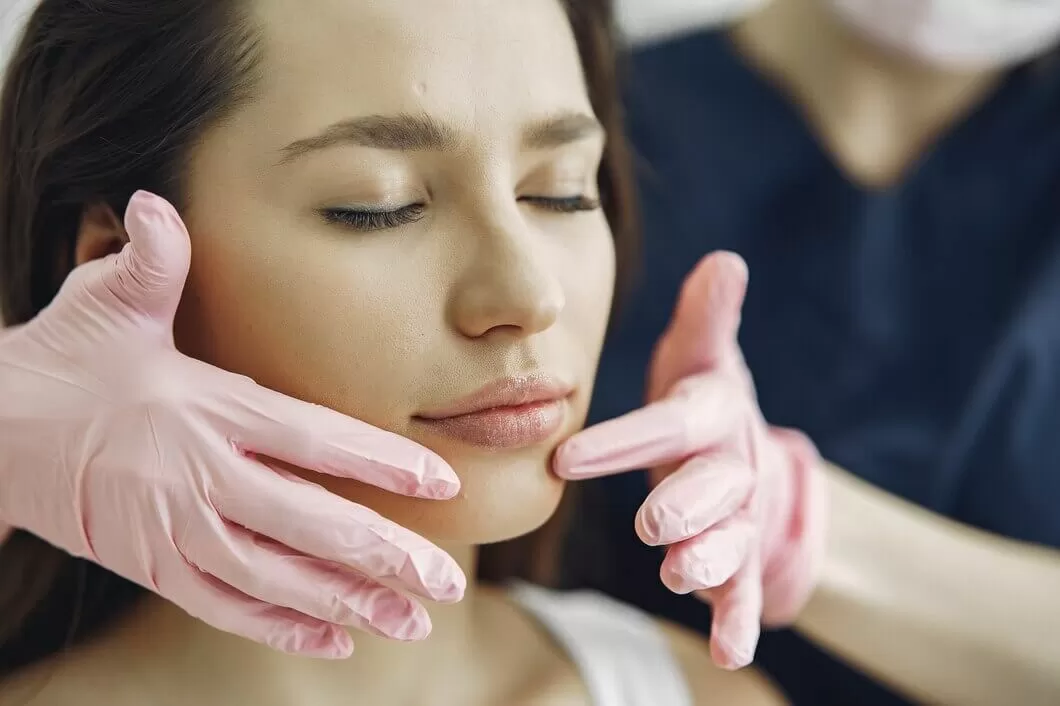
Hyperpigmentation and dark spots are among the most common skin concerns affecting people of all ages. They can develop due to acne scars, sun exposure, hormonal changes, aging, or inflammation. While many skincare products promise brighter skin, professional treatments often provide faster and more noticeable results. Chemical Peels in Islamabad have become a popular option for individuals seeking smoother, more even-toned skin without surgery.
This treatment works by exfoliating the damaged outer layers of the skin, encouraging new skin cells to replace old, pigmented ones. With the right type of peel and proper aftercare, many people notice a significant improvement in their complexion over time.
What Is a Chemical Peel?
A chemical peel is a non-surgical skin rejuvenation treatment that uses a specially formulated chemical solution to remove dead skin cells from the surface of the skin. Once the damaged layer peels away, fresh and healthier skin is revealed underneath.
Chemical peels are available in different strengths, including:
- Superficial peels
- Medium-depth peels
- Deep peels
The choice depends on your skin type, pigmentation severity, and desired results.
What Causes Hyperpigmentation and Dark Spots?
Hyperpigmentation occurs when excess melanin is produced in certain areas of the skin. Common causes include:
- Sun damage
- Acne scars
- Hormonal fluctuations
- Melasma
- Aging
- Skin injuries
- Inflammatory skin conditions
Understanding the root cause helps determine the most suitable treatment plan.
How Chemical Peels Help Reduce Hyperpigmentation
Chemical peels target pigmented skin by accelerating the natural exfoliation process. As the damaged skin sheds, new skin with a more even tone gradually appears.
The treatment helps by:
- Removing pigmented surface cells
- Stimulating skin renewal
- Encouraging collagen production
- Improving overall skin texture
- Creating a brighter complexion
Repeated sessions often produce better and longer-lasting improvements.
Which Types of Pigmentation Respond Best?
Chemical peels can improve several forms of pigmentation, including:
Sun Spots
Years of UV exposure often leave brown patches on the face, neck, and hands. Chemical peels gradually fade these spots by removing damaged skin layers.
Post-Inflammatory Hyperpigmentation
Dark marks left after acne, eczema, or minor injuries often respond well to superficial and medium peels.
Melasma
Melasma is more challenging because it is linked to hormones. Chemical peels may help lighten discoloration when combined with a proper skincare routine and strict sun protection.
Age Spots
Age-related pigmentation can become less noticeable after multiple treatment sessions.
Benefits Beyond Pigmentation
Chemical peels offer more than just brighter skin. Many patients also notice improvements in:
- Fine lines
- Uneven skin texture
- Mild acne scars
- Enlarged pores
- Dull complexion
- Rough skin
- Overall skin radiance
These added benefits make the treatment popular among individuals seeking comprehensive skin rejuvenation.
Who Is a Good Candidate?
Most healthy adults experiencing mild to moderate pigmentation may benefit from chemical peels.
Ideal candidates generally have:
- Uneven skin tone
- Acne-related dark spots
- Sun damage
- Mild melasma
- Healthy skin without active infections
- Realistic expectations
A professional skin assessment helps determine whether the treatment is suitable for your skin type.
What Happens During the Procedure?
The procedure is relatively simple and usually completed within a short appointment.
The process generally includes:
- Cleansing the skin thoroughly
- Applying the peel solution
- Allowing it to remain for a specific period
- Neutralizing or removing the solution
- Applying soothing products and sunscreen
Most superficial peels require minimal downtime.
Recovery and Aftercare
Following aftercare instructions is essential for achieving the best possible results.
Patients are usually advised to:
- Wear sunscreen every day
- Avoid direct sunlight
- Keep the skin moisturized
- Avoid picking peeling skin
- Use gentle skincare products
- Follow all professional recommendations
Proper aftercare significantly reduces the risk of unwanted pigmentation returning.
How Many Sessions Are Needed?
The number of treatments depends on several factors, including:
- Type of pigmentation
- Depth of discoloration
- Skin type
- Peel strength
Many individuals notice improvement after one treatment, but a series of sessions often delivers more dramatic and lasting results.
Are Results Permanent?
Chemical peels remove existing pigmentation, but they cannot stop new dark spots from forming if the underlying cause continues.
Maintaining results requires:
- Daily sunscreen use
- Healthy skincare habits
- Limiting excessive sun exposure
- Following maintenance treatments when recommended
Consistency plays a major role in preserving clearer skin.
Are Chemical Peels Safe?
When performed by trained skincare professionals, chemical peels are considered safe for many skin types.
Temporary side effects may include:
- Mild redness
- Peeling
- Dryness
- Slight sensitivity
These effects usually improve within several days, depending on the strength of the peel.
Frequently Asked Questions
Can chemical peels completely remove dark spots?
Many dark spots become significantly lighter after treatment. Complete removal depends on the cause, depth of pigmentation, and individual skin response.
Is the treatment painful?
Most patients experience only mild tingling or a slight burning sensation during the procedure, which usually subsides quickly.
How soon will I see results?
Initial improvements may become visible after the skin finishes peeling. Full results typically continue developing over several weeks.
Can people with acne scars benefit from chemical peels?
Yes. Chemical peels can improve both post-acne pigmentation and mild acne scarring while enhancing overall skin texture.
How can I prevent pigmentation from returning?
Daily sunscreen, proper skincare, and avoiding excessive sun exposure are essential for maintaining long-term results.
Final Thoughts
For individuals struggling with stubborn pigmentation, acne marks, or uneven skin tone, Chemical Peels in Islamabad offer an effective non-surgical solution to achieve brighter, healthier-looking skin. By removing damaged skin cells and encouraging natural skin renewal, this treatment can noticeably reduce hyperpigmentation and dark spots while improving overall skin texture. With proper aftercare and consistent sun protection, many patients enjoy long-lasting improvements and a more radiant complexion. Consulting an experienced skincare professional is the best way to determine the most suitable peel for your skin concerns.
 English
 Arabic
 French
 Spanish
 Portuguese
 Deutsch
 Turkish
 Dutch
Dutch
 Italiano
 Russian
 Romaian
 Portuguese (Brazil)
 Greek
Greek
 Advertise With Us
 About Us
 Terms And Conditions
 Política de privacidade
Ver todos
Política de privacidade
Ver todos