English
 Arabic
 French
 Spanish
 Portuguese
 Deutsch
 Turkish
 Dutch
Dutch
 Italiano
 Russian
 Romaian
 Portuguese (Brazil)
 Greek
Greek
Recommended Title I Want You to Be Happy by Jem Calder
Travel |
2026-06-26 03:28:53
 Advertise With Us
 About Us
 Terms And Conditions
 Datenschutzbestimmungen
Alle anzeigen
Datenschutzbestimmungen
Alle anzeigen

Upgrade auf Pro
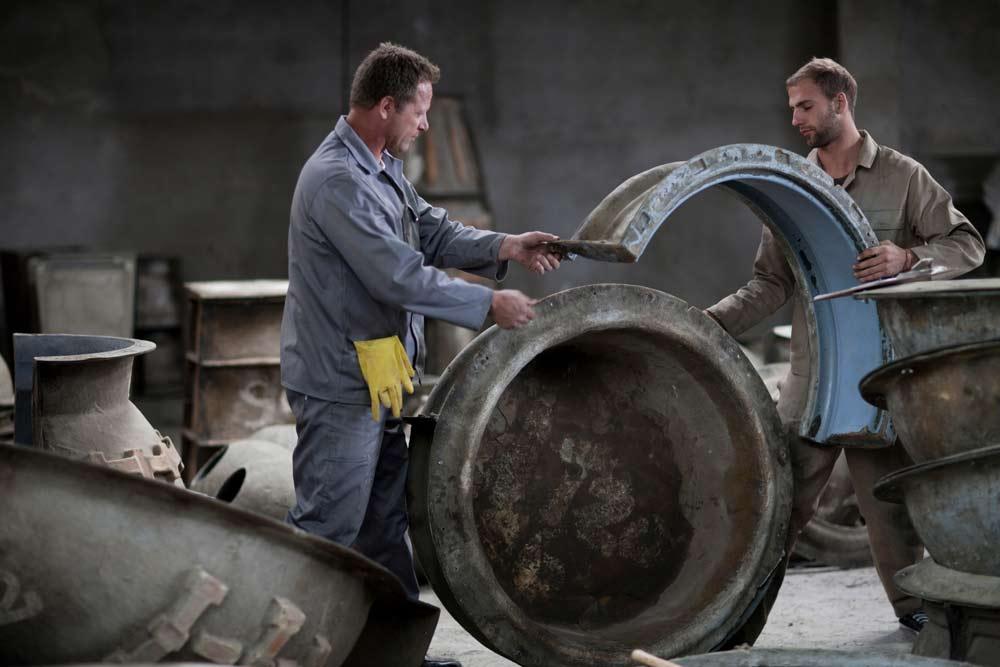
Every business generates waste, but not all waste needs to end up in landfill. From construction companies and manufacturing facilities to workshops and warehouses, metal waste is a valuable resource that can be recovered, reused, and transformed into new materials. Choosing commercial metal recycling allows businesses to manage unwanted metal efficiently while reducing environmental impact and recovering financial value from unused materials.
Industrial operations often produce large quantities of scrap metals such as steel, aluminium, copper, brass, stainless steel, and other recyclable materials. Instead of allowing these resources to take up valuable space, professional recycling services help businesses create a cleaner workplace and support a more sustainable future.
Metal is one of the most recyclable materials available. Unlike many other waste products, metals can be processed and reused multiple times without losing their strength or quality. This makes recycling an important part of building a circular economy.
For businesses, commercial metal recycling provides several advantages, including:
By partnering with an experienced recycling provider, companies can turn scrap metal management from a challenge into an opportunity. Professional recyclers offer collection solutions, sorting, processing, and responsible material recovery to make the entire process simple.
Different industries produce different types of metal waste. Fortunately, most commercial scrap materials can be recovered and reused.
Common recyclable metals include:
Ferrous metals contain iron and are commonly found in construction and industrial environments. Examples include:
These materials are highly valuable because recycled steel can be used in manufacturing new products.
Non-ferrous metals do not contain iron and often have higher recycling value. These include:
Businesses such as electrical contractors, manufacturers, and fabrication companies regularly generate these types of recyclable materials.
Many businesses are unsure what happens after their scrap metal is collected. A professional recycling process usually involves several key steps.
A recycling company arranges scheduled pickups based on the business’s needs. This may include providing bins, containers, or customised collection options for ongoing projects.
Once collected, metals are separated based on type and quality. Advanced equipment is used to prepare materials for recycling and ensure maximum recovery.
Processed metals are sent back into manufacturing industries where they can become new products, reducing the need for raw material extraction.
This streamlined approach makes commercial metal recycling a practical choice for businesses looking to improve waste management while contributing to environmental protection.
Almost any industry that works with metal can benefit from professional recycling solutions.
Construction projects often create large amounts of steel, aluminium, and other metal waste. Recycling these materials helps keep job sites cleaner and reduces disposal requirements.
Factories and production facilities frequently generate leftover materials, damaged components, and excess metal. Recycling helps recover value from these by-products.
Vehicle repairs, machinery maintenance, and fabrication work often produce recyclable metals such as copper, steel, and aluminium.
Businesses clearing old equipment, shelving, or machinery can use recycling services to remove unwanted metal efficiently.
The environmental impact of recycling goes beyond simply removing waste. Recovering metals reduces the demand for mining new resources and helps conserve energy.
Some major environmental benefits include:
By implementing a reliable recycling strategy, companies can demonstrate their commitment to responsible business practices.
Selecting the right recycling provider is important for businesses that want reliable service and maximum returns. Look for a company that offers:
A trusted recycling partner should understand the unique requirements of commercial clients and provide flexible solutions that minimise disruption to daily operations.
Managing scrap metal does not have to be complicated. With the right recycling partner, businesses can easily remove unwanted materials while gaining financial and environmental benefits.
Whether your company produces small amounts of scrap regularly or handles large industrial volumes, commercial metal recycling provides a reliable way to improve waste management, reduce costs, and support sustainability.
Industrial Metal Services provides professional scrap metal solutions for commercial and industrial clients, helping businesses recycle materials responsibly and efficiently.
Metal waste represents an opportunity rather than a problem. Through effective recycling practices, businesses can recover valuable materials, reduce environmental impact, and create a more sustainable operation.
Investing in commercial metal recycling is a practical step for companies that want to improve efficiency while supporting a greener future. With professional collection, processing, and recycling services, managing scrap metal becomes easier, safer, and more rewarding.