English
 Arabic
 French
 Spanish
 Portuguese
 Deutsch
 Turkish
 Dutch
Dutch
 Italiano
 Russian
 Romaian
 Portuguese (Brazil)
 Greek
Greek
Experts Predict Long Range Electric Vehicle Market Size Demand Surges
Other |
2026-05-22 07:05:30
 Advertise With Us
 About Us
 Terms And Conditions
 Política de privacidade
Ver todos
Política de privacidade
Ver todos

Atualizar para Plus
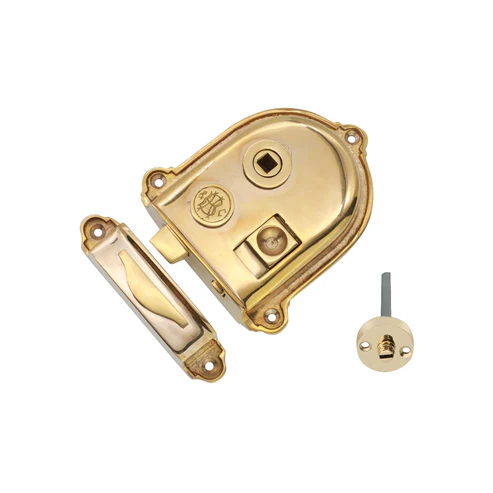
The combination of lock and latch hardware plays a crucial role in ensuring both the functionality and security of doors. From simple interior doors to heavy-duty exterior entrances, lock and latch systems are used in almost every building structure.
While the latch provides basic door holding capability, the lock adds an extra layer of protection. Together, they form a complete system that ensures doors remain secure, stable, and easy to operate.
A latch is responsible for keeping the door closed by engaging with the strike plate on the door frame. It operates automatically when the door is pushed shut. A lock, however, controls access by restricting or releasing the latch mechanism using a key, button, or handle.
This dual mechanism ensures that doors are not only functional but also secure.
Different environments require different types of lock and latch setups:
This is one of the most common systems used in modern homes. It is easy to install and provides smooth operation.
Installed inside the door, this system is widely used for front doors due to its high level of security and durability.
Mounted on the surface of the door, this traditional system is often found in older buildings and wooden doors.
Commonly used in main entrances, this system locks automatically when the door closes and requires a key from the outside.
Lock and latch systems are used in various settings:
Each application requires a different level of security and convenience.
Proper installation of lock and latch hardware is essential for smooth performance:
Incorrect installation can lead to misalignment, difficulty in closing, or reduced security.
To ensure long-lasting performance of lock and latch systems:
Proper maintenance increases durability and ensures smooth functionality.
A lock and latch system is an essential part of any secure and functional door. It provides the perfect balance between ease of access and protection. With various types available for different applications, choosing the right system ensures safety, convenience, and long-term reliability in both residential and commercial environments.