English
 Arabic
 French
 Spanish
 Portuguese
 Deutsch
 Turkish
 Dutch
Dutch
 Italiano
 Russian
 Romaian
 Portuguese (Brazil)
 Greek
Greek
Floor Tiling Dubai | Professional Tile Installation Services
Other |
2026-07-01 06:23:55
 Advertise With Us
 About Us
 Terms And Conditions
 Privacy Policy
See All
Privacy Policy
See All

Upgrade to Pro
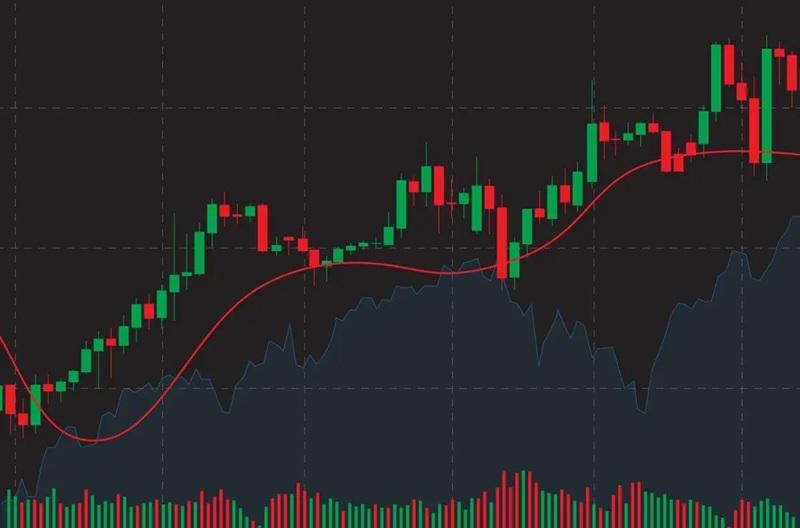
Commodity trading has become an important part of India's financial markets, offering investors opportunities to diversify their portfolios beyond stocks and bonds. Commodities such as gold, silver, crude oil, natural gas, and agricultural products often react differently to economic events, making them valuable for both traders and long-term investors. One of the most common questions among beginners is about commodity market timing and when market participants are most likely to find trading opportunities.
While there is no single "perfect" time to trade commodities, understanding market hours, global events, and liquidity patterns can help traders make more informed decisions.
Commodity trading involves buying and selling contracts based on physical commodities rather than purchasing the commodities themselves.
In India, commodity trading is conducted through regulated exchanges where investors can trade precious metals, energy products, agricultural commodities, and industrial metals. Prices are influenced by both domestic and international market conditions, making commodity markets highly dynamic.
Successful trading depends not only on market direction but also on choosing appropriate commodity market timing.
Unlike long-term investing, commodity trading often involves taking advantage of relatively short-term price movements.
Market activity varies throughout the trading day. Certain periods experience higher trading volumes, increased liquidity, and stronger price movements, providing more opportunities for traders. Choosing the right trading window can improve trade execution and reduce the impact of wide bid-ask spreads.
Good timing also helps traders respond more effectively to important market developments.
The beginning of the trading session often experiences increased market activity.
As traders react to overnight global developments, prices may fluctuate more than usual. News related to international commodity markets, currency movements, and geopolitical events can influence opening prices.
Some traders prefer to observe initial price movements before entering positions rather than making immediate trading decisions.
Many commodities traded in India are closely linked to international markets.
Gold, silver, crude oil, and natural gas are influenced by trading activity in global financial centers. During periods when Indian markets overlap with major international markets, trading volumes often increase, resulting in improved liquidity and faster price movements.
Higher liquidity generally allows investors to enter and exit trades more efficiently.
Economic announcements frequently influence commodity prices.
Inflation reports, employment data, central bank policy decisions, crude oil inventory reports, manufacturing activity, and global economic indicators can trigger significant price movements. Traders who monitor scheduled economic events often adjust their commodity market timing to account for increased market volatility.
Understanding the economic calendar helps investors prepare for potential market reactions.
Commodity prices often move in response to changes in currency values.
Many internationally traded commodities are priced in US dollars. As a result, fluctuations in currency exchange rates can affect domestic commodity prices. Traders frequently monitor both commodity markets and currency markets when planning their trading strategies.
Currency trends can create additional trading opportunities throughout the day.
Commodity markets are known for their price volatility.
While increased volatility creates opportunities for experienced traders, it also increases investment risk. Sudden market movements caused by geopolitical developments, weather conditions, supply disruptions, or policy announcements can produce rapid price changes.
Risk management becomes especially important during highly volatile trading sessions.
Some commodities experience predictable seasonal demand patterns.
Agricultural commodities are often affected by planting seasons, weather conditions, harvest cycles, and government policies. Energy commodities may experience seasonal demand based on heating or cooling requirements, while precious metals may see increased demand during festive and wedding seasons in certain countries.
Understanding seasonal trends helps traders evaluate longer-term market opportunities.
Even with proper commodity market timing, no trading strategy guarantees profits.
Successful commodity traders typically use stop-loss orders, position sizing, diversification, and disciplined trading plans to manage risk. Emotional decision-making during periods of rapid price movement can lead to unnecessary losses.
Effective risk management is often more important than predicting short-term market direction.
Rather than focusing only on finding the perfect entry point, successful traders develop consistent trading strategies.
This includes analyzing market trends, monitoring technical and fundamental indicators, following economic news, and maintaining clear risk management rules. Consistency often produces better long-term results than attempting to profit from every market movement.
A disciplined approach helps traders avoid impulsive decisions during volatile market conditions.
Although many participants actively trade commodities, others use them for portfolio diversification and long-term wealth preservation.
Precious metals such as gold are often viewed as hedges against inflation and economic uncertainty, while energy and industrial commodities may provide exposure to global economic growth. Investors should align their commodity exposure with their financial goals, investment horizon, and risk tolerance.
Understanding commodity market timing can improve decision-making, but it should always be supported by thorough market analysis and sound investment principles.
Choosing the right commodity market timing involves understanding market hours, liquidity, global trading sessions, economic announcements, currency movements, and seasonal trends. While there is no universally perfect time to trade, recognizing periods of higher market activity can help traders improve execution and identify potential opportunities.
Whether trading precious metals, energy products, or agricultural commodities, investors should combine proper timing with disciplined risk management, careful market analysis, and a long-term perspective. This balanced approach can help navigate the dynamic nature of commodity markets while supporting more informed investment decisions.