English
 Arabic
 French
 Spanish
 Portuguese
 Deutsch
 Turkish
 Dutch
Dutch
 Italiano
 Russian
 Romaian
 Portuguese (Brazil)
 Greek
Greek
Flores para bodas en Barcelona: decoración floral personalizada para tu gran día
Other |
2026-08-25 06:07:44
 Advertise With Us
 About Us
 Terms And Conditions
 Privacy Policy
Mostra tutti i risultati
Privacy Policy
Mostra tutti i risultati

Passa a Pro
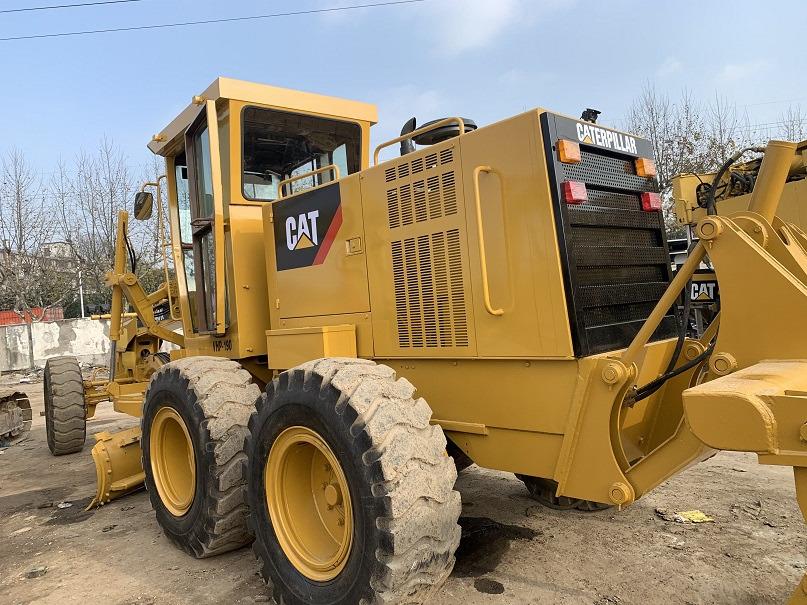
The used construction equipment market can be confusing, especially when motor grader prices fluctuate so significantly. One listing may display a grader for $35,000, yet another equivalent machine sells for more than $150,000.
Many purchasers just consider the quoted price. However, the actual value of a grader is determined by a number of factors, including model reputation, running hours, and maintenance history. Two graders with the same price may provide vastly different long-term values.
Smart buyers examine model, year, and engine hours to determine the machine's true value. Used graders often sell for between $30,000 to $180,000+ worldwide, depending on age, condition, and brand. Understanding how these factors influence pricing allows contractors to buy motor graders with confidence and prevent costly mistakes.
Five important considerations should be taken into account while assessing used grader pricing:
Reputation of the model and manufacturer
Engine use history and hours
Year of the machine and technological features
Component wear and maintenance history
Local demand and supply
These qualities work together to determine a grader's true market value. A durable model with 4,000 hours and good service records, for instance, would often be worth more than a lesser-known piece of equipment with 10,000 hours.
For contractors looking to buy motor graders, assessing these elements provides a more accurate picture of long-term worth than simply the purchase price.
Understanding typical price ranges helps buyers identify fair deals.
The typical range for older graders is between $30,000 and $70,000. These devices may have over 10,000 running hours and are frequently older than 15 years. Usually, they are employed for little contractor tasks or light grading.
In the market, graders typically cost between $70,000 and $120,000. These machines typically have 4,000–7,000 hours and are 8–12 years old. This category is preferred by many contractors because it strikes a balance between dependability and cost.
The average cost of a newer machine is between $120,000 and $180,000. They frequently have modern features like GPS-ready grading systems and are typically younger than eight years old.
Operating hours are a significant factor in determining machine value, because they show how much work the grader has already done.
Typical market impression is as follows:
0–3,000 hours: Premium pricing and nearly new condition
3,000–6,000 hours: The optimal value range for buyers.
6,000–10,000 hours: Machines in their middle years
10,000+ hours: Depreciated equipment
According to industry observations, graders with less than 5,000 hours may be able to hold onto 50–70% of their initial worth. Although a lower-hour machine may be more expensive initially, it frequently needs fewer maintenance, which can eventually make it less expensive.
Many buyers begin their research by searching for specific grader models. Certain machines consistently maintain strong resale demand due to reliability and global parts availability.
Some examples include:
|
Model |
Typical Used Price |
Common Applications |
|
Caterpillar 140 Series |
Around $75,000 |
Road construction |
|
John Deere 770G |
Around $95,000 |
Precision grading |
|
Volvo G930 |
Around $110,000 |
Heavy site preparation |
Machines from established manufacturers often hold their value better because parts are widely available and technicians are familiar with their systems. When contractors buy motor graders, choosing a well-known model can make maintenance and resale significantly easier in the long run.
Intelligent buyers consider cost per operating hour instead of just pricing.
As an example:
4,000 hours at $90,000 for Machine A
9,000 hours at $70,000 for machine B
Even if Machine B appears to be less expensive, it may have far fewer working hours remaining.
Value can be evaluated using the following simple formula:
Cost per hour = Purchase price ÷ Estimated remaining hours
By engaging this technique, contractors can identify equipment that provides higher long-term efficiency.
Before making a purchase, buyers usually evaluate costs on multiple sites. Typical sources consist of:
Marketplaces for equipment
Dealer stocks
Online sales
Reports from independent inspections
Examining several postings ads in determining fair market prices helps avoid overspending.
When looking through listings, purchasers should be on the lookout for warning indicators like:
Very affordable pricing
Service records that are missing
Potential manipulation of the hour-meter
Repainting or fixing frames
Refusing to allow inspections
These problems might point to unstated repair expenditures that raise ownership prices considerably.
Prior to buying a grader:
Compare the model, year, and number of hours.
Examine the transmission, hydraulics, and blades.
Request records of maintenance.
Determine the cost per operational hour.
Before making a choice, evaluate at least five listings.
Buyers can make more intelligent investments by following these guidelines.
Purchasing a used motor grader is a big financial commitment, so picking the best machine involves more than just finding the best deal. The most successful purchasers assess the machine's long-term operating costs, engine hours, maintenance history, and model repute.
Contractors can find machines that provide real value and reliable performance by carefully comparing these factors. Ultimately, the most intelligent equipment purchasers consider a grader's future performance as much as its current price.