English
 Arabic
 French
 Spanish
 Portuguese
 Deutsch
 Turkish
 Dutch
Dutch
 Italiano
 Russian
 Romaian
 Portuguese (Brazil)
 Greek
Greek
Breaking: Virtual Private Server Market Set for Unprecedented Growth
Networking |
2026-07-14 06:52:59
 Advertise With Us
 About Us
 Terms And Conditions
 Política de privacidade
Ver todos
Política de privacidade
Ver todos

Atualizar para Plus
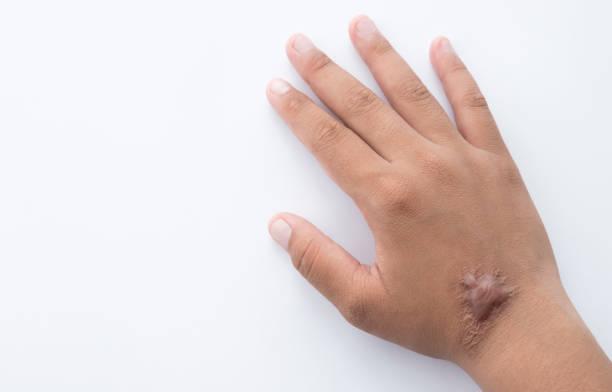
The path to smooth, flat skin is often paved with good intentions but hindered by small, avoidable errors. Because the skin’s healing process is highly sensitive to environmental factors and patient habits, even the most advanced hypertrophic scar treatment in Dubai can fall short if the "rules of recovery" are broken. At Tajmeels Clinic, we observe that patients who avoid these four common pitfalls achieve faster results and higher satisfaction rates.
One of the most frequent mistakes is waiting years for a scar to "go away on its own." While some scars fade, a true hypertrophic scar is a result of active collagen overproduction.
The Problem: Once a scar becomes "mature" (white and hard), the collagen bundles are tightly packed and less responsive to gentle therapies.
The Fix: Seek a consultation as soon as you notice the scar becoming raised or persistently red. Intervening while the scar is still "immature" and vascular allows us to use lower laser energies and achieve results in fewer sessions.
Silicone therapy is a marathon, not a sprint. The most common reason for stalled progress at home is failing to maintain the "occlusive window."
The Mistake: Wearing silicone sheets for only a few hours a day or skipping days entirely.
The Fix: To effectively signal the body to stop producing collagen, the scar must be covered for 12 to 23 hours a day.
Compliance Tip: Use Silicone Gels during the day for visibility and Silicone Sheets at night for maximum pressure. In Dubai's heat, keeping two sets of sheets allows you to wash one while wearing the other, preventing the skin irritation that leads to "skipping" days.
In the UAE, a "quick trip" to the car is enough UV exposure to damage a healing scar.
The Mistake: Thinking that clothes provide enough protection or forgetting SPF because it's a "cloudy" day in winter.
The Fix: Hypertrophic tissue lacks the natural melanin protection of healthy skin. You must use a Mineral SPF 50+ (Zinc or Titanium based) every single day.
Why it matters: UV radiation triggers the melanocytes and fibroblasts. If you skip sunscreen, your flattened scar may turn dark brown (hyperpigmentation) or, worse, start to thicken again due to UV-induced inflammation.
Not all lasers are created equal, and using the wrong wavelength is a significant clinical error.
The Mistake: Using aggressive ablative lasers on darker skin tones (Fitzpatrick IV-VI) without proper preparation.
The Risk: This can lead to permanent white spots (hypopigmentation) or severe darkening.
The Fix: Ensure your provider uses "skin-safe" wavelengths like the Nd:YAG or specialized Pulsed Dye Lasers with cooling systems. At Tajmeels Clinic, we always perform a test patch to ensure the laser settings are perfectly calibrated for your specific skin biology.
At Tajmeels Clinic, we believe in "Education-First" medicine. Our approach to hypertrophic scar treatment in Dubai includes a comprehensive briefing on what not to do. By identifying these common mistakes early, we empower you to take control of your healing process. We provide the technical authority and the aftercare support needed to ensure your journey to better skin is efficient, safe, and successful.
Never. Physical scrubs cause micro-trauma, which the body interprets as a new injury. This triggers more collagen production and can make a hypertrophic scar grow larger. Stick to gentle, fragrance-free cleansing.
Yes. We recommend avoiding heavy exercise for 24 to 48 hours after an injection. Increased blood flow and muscle tension in the area can cause the medication to disperse too quickly away from the scar tissue.
"Don't panic, but resume immediately." While a few days won't completely undo months of work, it can cause the scar to feel "tight" again. Consistency is key to keeping the collagen in a "relaxed" state.
Most over-the-counter creams lack the concentration of active ingredients or the occlusive properties of medical-grade silicone. While they aren't "bad," they are rarely enough to flatten a true hypertrophic scar on their own.
Temporary redness is a normal part of the laser healing process (usually lasting 3–7 days). However, if the redness is accompanied by extreme pain or pus, contact your specialist immediately.
Avoid chlorinated or salt-water pools for at least 5 days after any laser or microneedling session. The chemicals can irritate the "micro-channels" and lead to prolonged inflammation or infection.