English
 Arabic
 French
 Spanish
 Portuguese
 Deutsch
 Turkish
 Dutch
Dutch
 Italiano
 Russian
 Romaian
 Portuguese (Brazil)
 Greek
Greek
Growth Opportunities in the Expanding US Eyewear Industry Landscape
Other |
2026-04-15 09:09:16
 Advertise With Us
 About Us
 Terms And Conditions
 Politique de confidentialité
Tout voir
Politique de confidentialité
Tout voir

Mise à niveau vers Pro
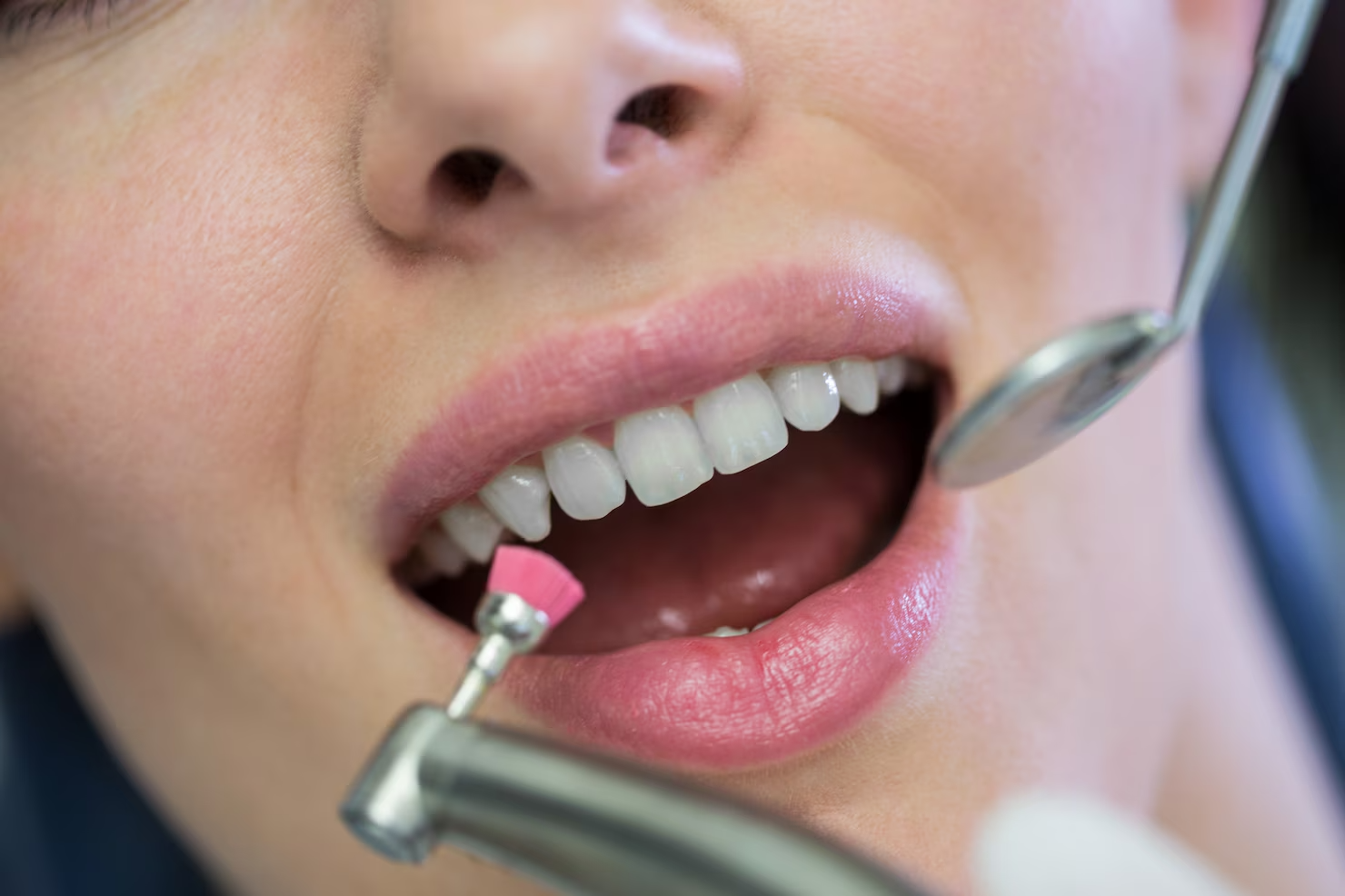
Maintaining a healthy, radiant smile involves more than just regular brushing and flossing. Among the various dental procedures available, teeth cleaning and teeth whitening are two common treatments that contribute to oral health and aesthetics.
Though they both enhance your smile, they serve distinct purposes and offer unique benefits. Understanding the differences between teeth cleaning and teeth whitening will help you make informed decisions about your dental care.
Teeth cleaning, also known as professional dental cleaning or prophylaxis, is a fundamental procedure aimed at maintaining oral health. Performed by a dentist or dental hygienist, it involves the removal of plaque, tartar, and surface stains from your teeth.
Here's a closer look at what teeth cleaning entails and its benefits.
Teeth cleaning typically involves several key steps:
Before the cleaning begins, your dentist or hygienist will conduct a thorough examination of your teeth and gums. This may include taking X-rays to detect underlying issues.
Using specialized tools, the dental professional will remove plaque and tartar buildup from your teeth, especially from areas that are hard to reach with regular brushing.
After scaling, your teeth will be polished with a gritty toothpaste to remove surface stains and smooth the enamel.
The final step involves flossing your teeth to eliminate any remaining debris and plaque.
Prevention of Gum Disease: Regular cleaning helps prevent gum disease by removing plaque and tartar that can lead to inflammation and infection.
Cavity Prevention: Removing plaque buildup reduces the risk of cavities and tooth decay.
Improved Breath: Teeth cleaning helps reduce bad breath by removing food particles and bacteria.
Enhanced Aesthetics: It improves the appearance of your smile by removing surface stains and giving your teeth a polished look.
Dental professionals generally recommend having your teeth cleaned every six months. However, if you have specific oral health issues, more frequent cleanings may be necessary.
Teeth whitening is a cosmetic procedure designed to enhance the appearance of your teeth by making them whiter and brighter.
Unlike teeth cleaning, which focuses on maintaining oral health, teeth whitening is primarily aimed at improving the aesthetic appeal of your smile.
Here's what you need to know about teeth whitening.
Teeth whitening can be done either in a dental office or at home using various products.
The procedure involves applying a whitening agent to your teeth to lighten stains and discoloration.
During an in-office whitening session, a dentist applies a high-concentration whitening gel to your teeth. Often, a special light or laser is used to enhance the effectiveness of the gel.
The procedure usually takes about one to two hours, and you may see immediate results.
At-home whitening involves using whitening trays or strips that contain a lower concentration of whitening agents. You'll need to follow the instructions provided to achieve the desired results.
Results may take several weeks to become noticeable, depending on the product used and the severity of the discoloration.
Aesthetic Improvement: Teeth whitening significantly enhances the brightness of your smile, making it look more attractive.
Boosted Confidence: A whiter smile can boost your self-esteem and make you feel more confident in social situations.
Customized Options: With various whitening options available, including professional treatments and at-home products, you can choose a method that best suits your needs and preferences.
Some individuals may experience temporary tooth sensitivity after whitening treatments. Discuss any concerns with your dentist.
Whitening is more effective on natural teeth and may not work on dental restorations like crowns or veneers.
To maintain whitening results, you may need to avoid certain foods and beverages that can stain your teeth and practice good oral hygiene.
While both procedures are important for maintaining a healthy and attractive smile, they serve different purposes.
Teeth cleaning focuses on oral health by removing plaque and tartar to prevent dental issues, while teeth whitening is aimed at enhancing the appearance of your teeth by removing stains.
Teeth cleaning is a preventive measure performed by a dental professional, whereas teeth whitening can be done in-office or at home with various products.
Teeth cleaning offers health benefits such as preventing gum disease and cavities, while teeth whitening provides cosmetic benefits by brightening your smile.
When it comes to comprehensive dental care that addresses both preventive and cosmetic needs, Dental Kraft is your go-to destination.
At Dental Kraft, we offer a range of services to ensure your oral health and enhance your smile. Whether you need a routine dental examination, advanced treatments, or cosmetic enhancements, our experienced team is here to provide the highest quality care.
Routine Dental Examination: Regular check-ups to monitor your oral health and catch any issues early.
Root Canal Treatment (RCT): Specialized treatment to save and restore damaged teeth.
Crown: Custom-made caps to protect and strengthen weakened teeth.
Braces & Aligners: Metal, ceramic, and Invisalign options to straighten your teeth and improve your bite.
Bridge: Replacement of missing teeth with a fixed prosthetic.
Teeth Whitening: Professional treatments to brighten your smile and remove stains.
Dentures: Removable replacements for missing teeth to restore function and aesthetics.
Dental Implants: Permanent solutions for replacing missing teeth with artificial roots and crowns.
Splints and Mouth Guards: Protection for your teeth during physical activities and to manage bruxism.
Veneers: Thin shells of porcelain or composite resin to improve the appearance of your teeth.
Filling: Restoration of cavities and damaged teeth with durable materials.
Cosmetic Dentistry: Enhancements to improve the appearance of your smile.
Extraction: Removal of damaged or non-functional teeth.
Kid’s Dentistry in Indirapuram: Specialized care tailored to the needs of children.
At Dental Kraft, we are committed to providing personalized care that meets your unique needs. Our dedicated team combines expertise with advanced technology to deliver exceptional results and ensure your smile remains healthy and beautiful.
Both teeth cleaning and teeth whitening play crucial roles in maintaining oral health and enhancing your smile.
Teeth cleaning is essential for preventing dental issues and ensuring good oral hygiene, while teeth whitening offers cosmetic benefits by brightening your smile. Understanding the differences between these procedures can help you make informed choices about your dental care.
For those seeking comprehensive dental services that address both preventive and cosmetic needs, Dental Kraft is here to help. Our experienced team is dedicated to providing top-notch care, ensuring that your smile stays healthy and radiant.