English
 Arabic
 French
 Spanish
 Portuguese
 Deutsch
 Turkish
 Dutch
Dutch
 Italiano
 Russian
 Romaian
 Portuguese (Brazil)
 Greek
Greek
Soy Grits Market Insights: Regional Growth and Competitive Landscape
Other |
2026-07-23 11:22:12
 Advertise With Us
 About Us
 Terms And Conditions
 Datenschutzbestimmungen
Alle anzeigen
Datenschutzbestimmungen
Alle anzeigen

Upgrade auf Pro
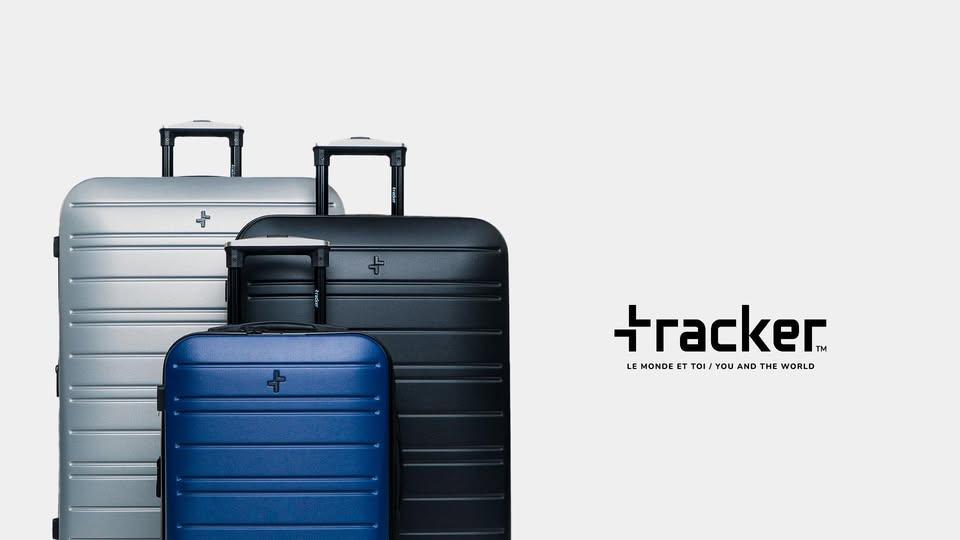
Long-haul flights put a different kind of pressure on luggage than a quick regional trip does. There's more handling between check-in and the final destination, often a connection or two along the way, and — because the trip itself tends to be longer — there's simply more to pack. A checked bag that's fine for a three-day domestic trip can start to feel genuinely inadequate on a ten-day international itinerary with unpredictable weather and multiple activities to pack for.
Choosing the right checked luggage for long-haul travel comes down to a handful of factors that matter far more here than they do on shorter trips: durability under repeated handling, smart capacity, and features that hold up over multiple legs rather than just one flight.
A long-haul checked bag typically passes through more hands and more conveyor systems than a short domestic flight ever involves — an initial check-in, a transfer between aircraft on a layover, and a final unload, sometimes across two or three different ground handling teams. Add in longer wait times on baggage carousels, more aggressive stacking in cargo holds, and the simple fact that a heavier, fuller bag experiences more stress on its zippers and wheels, and it becomes clear why cheaper, thinner-shelled luggage tends to fail exactly on the trips where it's needed most.
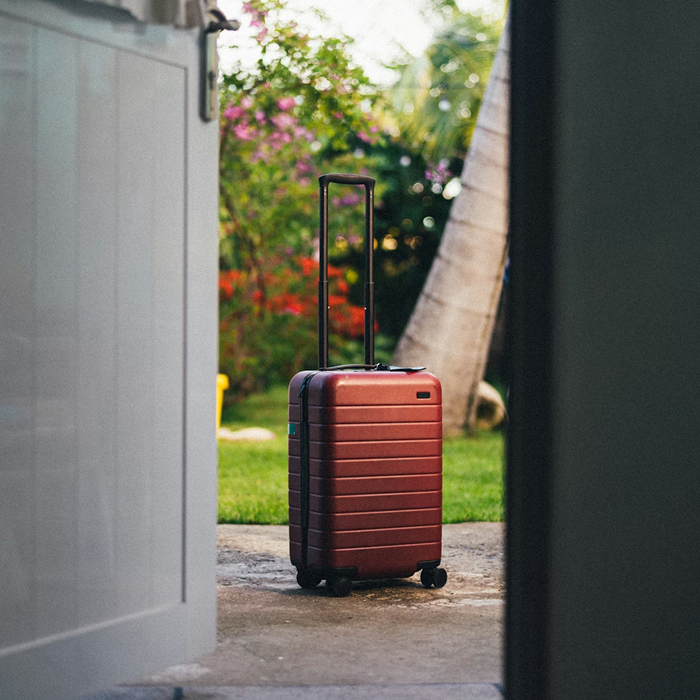
A genuinely rigid shell. Polycarbonate or ABS hardshells hold their shape under stacked cargo weight far better than softer materials, which matters more over a long-haul routing with multiple transfers.
Reinforced corners and seams. This is where checked luggage takes the most abuse — corners scrape against conveyor edges and get dropped during loading, so reinforced stitching or molded corner guards genuinely extend a case's working life.
Expansion capacity. A long trip usually means accumulating things along the way. An expandable zipper that adds a couple of extra inches of depth can be the difference between a bag that closes easily on the way home and one that has to be sat on.
Smooth-rolling spinner wheels. On long-haul routes with sprawling international terminals, the ease of manoeuvring a full checked bag through crowded walkways matters far more than it seems like it would in a store.
A weight-conscious empty shell. Since airlines cap total checked weight, a heavier empty case eats directly into how much can actually be packed. Lighter-weight hardshell materials help maximize usable allowance.
A secure, reliable locking system. International connections often mean longer stretches out of sight in transfer systems, so integrated combination locks add a reasonable layer of security without needing a separate padlock.
Medium check-in (24–26 inch range) works well for trips around a week to ten days, covering most long-haul vacations without tipping into oversized or overweight territory.
Large check-in (28 inch and up) suits longer trips — two weeks or more — or travel where bulky items like winter gear or equipment are involved, though it's worth confirming this size still falls within an airline's checked weight limits before flying.
Luggage sets make sense for long-haul family trips, where a large check-in for shared items pairs naturally with a mid-size case for a second traveller and a matching carry-on for essentials.
Long-haul routings very often include a layover, and that adds a bit of extra risk for checked luggage — more transfers mean more chances for a bag to get delayed or misrouted. A few habits reduce that risk:
Hardshell cases tend to be the stronger choice for long-haul checked luggage specifically because of the repeated handling involved — they protect contents from crushing and resist scuffing better over multiple legs. Softshell cases can flex to accommodate slightly more volume and often have more exterior pockets, but they generally show wear faster under the kind of handling long-haul checked bags go through.
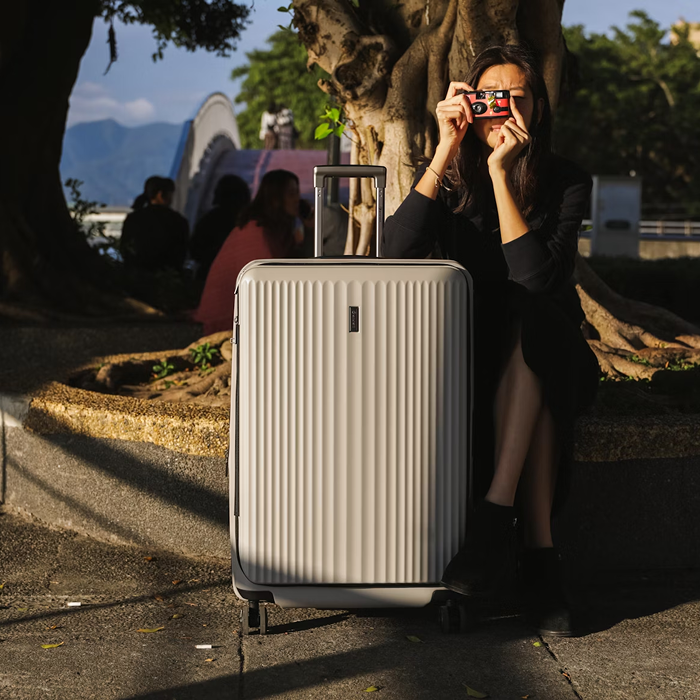
For travellers weighing size, shell type, and durability features against each other, Bentley carries a range of checked luggage in medium and large sizes, along with full luggage sets, from brands like Air Canada, Bugatti, Samsonite, and Swiss Mobility — making it straightforward to compare options side by side before settling on a case built to handle a long-haul routing rather than just a short trip.
Checked luggage for long-haul flights needs to be built for repetition — repeated loading, repeated handling, repeated stacking across multiple legs — not just a single flight there and back. Prioritizing a genuinely rigid shell, reinforced construction, and the right size for the actual length of the trip makes the difference between a bag that shows up intact after a long journey and one that starts falling apart somewhere over the Atlantic.