English
 Arabic
 French
 Spanish
 Portuguese
 Deutsch
 Turkish
 Dutch
Dutch
 Italiano
 Russian
 Romaian
 Portuguese (Brazil)
 Greek
Greek
Voltas AC Dealer in Delhi: Your Complete Guide to Buying the Right Split AC This Summer
Other |
2026-08-23 04:53:07
 Advertise With Us
 About Us
 Terms And Conditions
 Política de privacidade
Ver todos
Política de privacidade
Ver todos

Atualizar para Plus
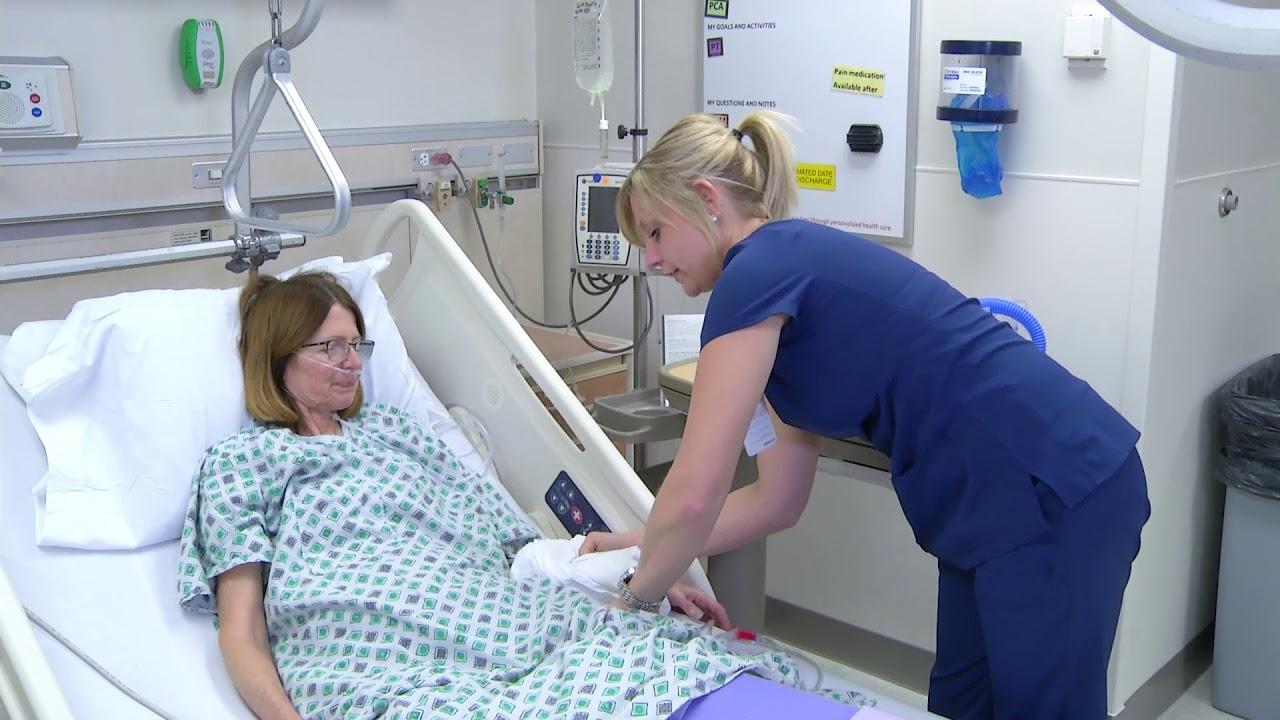
Hip joint problems can affect every part of daily life. Walking, sitting, and even sleeping become difficult. Many patients wait too long before seeking help. Understanding recovery can ease that hesitation. This guide explains what typically happens after treatment.
Understanding the Hip Joint
The hip is a ball and socket joint. It bears much of the body's weight. Damage here often stems from arthritis or injury. Cartilage wear reduces smooth movement over time. Pain usually starts gradually and worsens slowly. Some patients feel stiffness first thing in the morning. Others notice pain after standing for long periods.
Early Signs That Treatment May Be Needed
Persistent groin pain is a common early symptom. Some patients feel discomfort radiating to the thigh. Reduced range of motion is another warning sign. Simple tasks like tying shoes become challenging. Limping may develop without the person noticing. A doctor can assess joint damage through imaging. X-rays and MRIs reveal cartilage and bone condition.
The Initial Recovery Period
The first few days focus on rest and pain control. Swelling is common and usually temporary. Patients are encouraged to move gently early on. Physiotherapists guide safe movement patterns from day one. Walking aids may be needed briefly after treatment. Most people notice steady improvement within two weeks.
Sleep positioning matters during this phase. Lying on the back is often recommended initially. Pillows can support the leg for comfort. Avoiding twisting motions protects the healing joint. Patients should avoid crossing their legs at first.
Building Strength Through Physiotherapy
Physical therapy plays a central role in recovery. Gentle exercises restore strength around the joint. Therapists tailor programs to individual needs. Progress is monitored closely during each session. Overexertion early on can slow healing. Patience during this stage supports better outcomes.
Balance training often begins a few weeks in. This helps prevent falls during recovery. Core strengthening also supports hip stability. Many clinics combine stretching with resistance exercises. Consistency matters more than intensity here.
Common Questions About Long-Term Outcomes
Many patients ask when normal activity can resume. Timelines vary depending on overall health. Younger, active patients often recover faster. Those choosing hip resurfacing surgery often return to sports sooner than expected. Recovery speed also depends on following instructions closely.
Driving typically resumes within four to six weeks. Return to office work can happen sooner. Physical jobs may require longer time off. Doctors provide personalized guidelines for each patient.
Managing Pain Without Overreliance on Medication
Pain management combines medication and lifestyle adjustments. Ice packs help reduce swelling naturally. Elevating the leg supports circulation and comfort. Gentle movement often reduces stiffness over time. Doctors gradually reduce medication as healing progresses.
Some patients use heat therapy after the first week. This can ease muscle tightness around the joint. Combining heat and gentle stretching often helps most.
Nutrition's Role in Healing
Proper nutrition supports tissue repair after treatment. Protein intake helps rebuild muscle strength. Calcium and vitamin D support bone healing. Hydration also plays an important supporting role. A balanced diet speeds overall recovery time.
Anti-inflammatory foods may also help reduce swelling. Leafy greens and fatty fish are good examples. Avoiding excess sugar supports steadier energy levels too.
Emotional Aspects of Recovery
Recovery is not only physical for many patients. Frustration can arise during slower progress days. Support from family members makes a real difference. Setting small, achievable goals helps maintain motivation. Celebrating minor milestones keeps morale high throughout.
Some patients benefit from speaking with counselors. Emotional support complements physical rehabilitation well. Staying connected with others reduces feelings of isolation.
When to Contact Your Care Team
Certain symptoms require prompt medical attention. Increasing redness or warmth may signal infection. Sudden severe pain should never be ignored. Fever combined with joint pain needs evaluation quickly. Trusting instincts about unusual symptoms is important.
Regular follow-up appointments track healing progress closely. These visits allow early adjustments if needed. Open communication with your care team matters greatly.
Returning to an Active Lifestyle
Most patients eventually return to favorite activities. Walking, swimming, and cycling are often encouraged first. High-impact sports may require longer waiting periods. Doctors provide clear timelines based on progress. Gradual reintroduction protects the joint long term.
Many patients report improved quality of life afterward. Reduced pain allows better sleep and mood. Everyday tasks feel easier without constant discomfort. Long-term outcomes are generally very positive.
Final Thoughts
Hip joint recovery is a gradual, structured process. Following medical guidance improves overall results significantly. Patience and consistency lead to lasting improvement. Every patient's journey looks slightly different. Support from professionals makes the path smoother.