English
 Arabic
 French
 Spanish
 Portuguese
 Deutsch
 Turkish
 Dutch
Dutch
 Italiano
 Russian
 Romaian
 Portuguese (Brazil)
 Greek
Greek
Chin Reduction in Jeddah: A Comprehensive Guide to Facial Contouring and Lasting Results
Health |
2026-08-05 18:32:39
 Advertise With Us
 About Us
 Terms And Conditions
 Политика конфиденциальности
Смотреть все
Политика конфиденциальности
Смотреть все

Обновить до Про
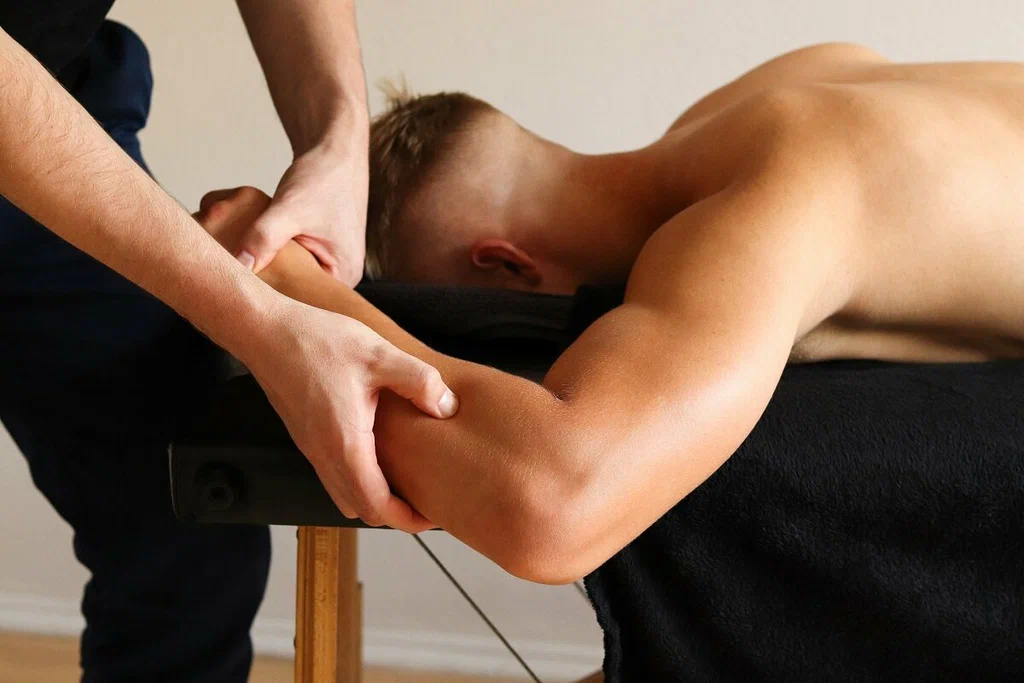
Modern life places constant demands on our bodies. Many Langley residents carry stress in their shoulders and neck. This tension often builds up unnoticed over weeks. Left unaddressed, it can lead to chronic discomfort. The body responds to stress through muscle contraction. This is a natural protective reflex from our nervous system. Unfortunately, prolonged contraction restricts blood flow and mobility. Over time, this creates stiffness, headaches, and fatigue.
Sitting at a desk for hours contributes significantly to tightness. Poor posture compounds the problem further. Repetitive movements at work also play a role. Emotional stress adds another layer to physical tension. When cortisol levels stay elevated, muscles remain guarded. This guarding pattern becomes habitual without proper intervention. Many people don't realize how tense they are until it's addressed.
Skilled bodywork encourages the parasympathetic nervous system to activate. This shifts the body from fight-or-flight into rest mode. Heart rate slows and breathing deepens naturally. Blood circulation improves throughout treated areas. This enhanced circulation flushes out metabolic waste products. Lactic acid buildup, a common cause of soreness, gets reduced. Oxygen delivery to tissues also increases substantially.
Different techniques address different types of tension. Deep tissue work targets chronic knots and adhesions. Swedish techniques promote general relaxation and circulation. Trigger point therapy focuses on specific painful spots. Myofascial release addresses tightness in connective tissue. Each approach serves a distinct therapeutic purpose. A skilled practitioner combines methods based on individual needs.
The neck and shoulders often bear the brunt of stress. Many people clench their jaw without realizing it. Lower back tension frequently stems from prolonged sitting. Hip flexors tighten from lack of movement. These areas interconnect through fascial chains in the body. Tension in one area often affects another region. This is why holistic treatment approaches work best.
Our nervous system constantly monitors for threats and stress. When overstimulated, it keeps muscles in a defensive state. Calming input through touch helps reset this pattern. Gentle, consistent pressure signals safety to the brain. This allows muscles to release their protective guarding. Over multiple sessions, this response becomes easier to achieve. The body essentially learns how to relax again.
Not all bodywork approaches produce equal results. Communication between practitioner and client matters greatly. Understanding personal history and specific complaints guides treatment. A tailored session addresses root causes, not just symptoms. This personalized approach yields more lasting relief. Residents seeking massage therapy langley often find this individualized attention makes a real difference. Consistency also plays an important role in outcomes.
One session provides temporary relief for most people. Lasting change requires a more consistent approach. Many practitioners recommend regular sessions during high-stress periods. Spacing sessions appropriately allows tissue to adapt gradually. Combining treatment with stretching enhances long-term results. Staying hydrated also supports muscle recovery between visits. Sleep quality significantly influences how muscles respond to treatment.
Chronic tension isn't purely a physical experience. Mental clarity often improves alongside physical relaxation. Reduced muscle tightness can ease anxiety symptoms too. This mind-body connection is well documented in research. Slower breathing patterns naturally follow physical relaxation. Many clients report improved sleep after regular sessions. Emotional resilience often strengthens with consistent stress management.
Simple stretches can maintain progress between appointments. Gentle neck rotations help release built-up tension. Deep breathing exercises calm the nervous system further. Maintaining good posture throughout the day helps too. Taking short movement breaks reduces prolonged muscle strain. Staying mindful of stress triggers supports long-term wellness. Small daily habits add up to significant improvements over time.
Everyone experiences stress and tension differently. Some people need gentle, calming techniques. Others benefit from firmer, targeted pressure work. A thorough intake conversation helps identify the right approach. Being open about pain levels ensures appropriate treatment intensity. Feedback during sessions allows real-time adjustments. This collaborative approach improves comfort and effectiveness significantly.
Many people assume tension is simply part of life. With proper care, however, real change is possible. Consistent treatment paired with lifestyle adjustments produces lasting results. Reduced pain often leads to improved daily function. Better sleep and mood frequently follow physical relief. Investing in regular care pays dividends across many areas of life. Prioritizing this kind of self-care supports overall long-term wellbeing.
Muscle tension doesn't have to be a permanent burden. Understanding its root causes empowers better management. Skilled, consistent treatment offers real physiological benefits. Combining professional care with home habits maximizes results. Langley residents have access to knowledgeable practitioners nearby. Taking the first step toward relief is often the hardest part. Prioritizing your physical and mental health is always worthwhile.