Обновить до Про

Jowar Atta: The Complete Guide to Sorghum Flour Benefits, Uses, and How to Buy the Best Quality

Introduction

Walk into almost any Indian kitchen with a few generations of cooking wisdom behind it, and you'll likely find a bag of jowar atta tucked next to the wheat flour. Made from sorghum, one of the oldest cultivated grains in the world, jowar atta has quietly powered soft bhakris, hearty rotis, and simple, honest meals for centuries. Today, as more people look for gluten-free, fibre-rich alternatives to refined wheat flour, jowar atta is having a well-deserved moment in the spotlight.

But what exactly makes jowar atta special? Is it actually good for you, and how do you use it without ending up with rotis that crack apart? This guide covers everything you need to know about jowar atta — its nutritional profile, health benefits, how to cook with it, and what to look for when buying it.

What Is Jowar Atta?

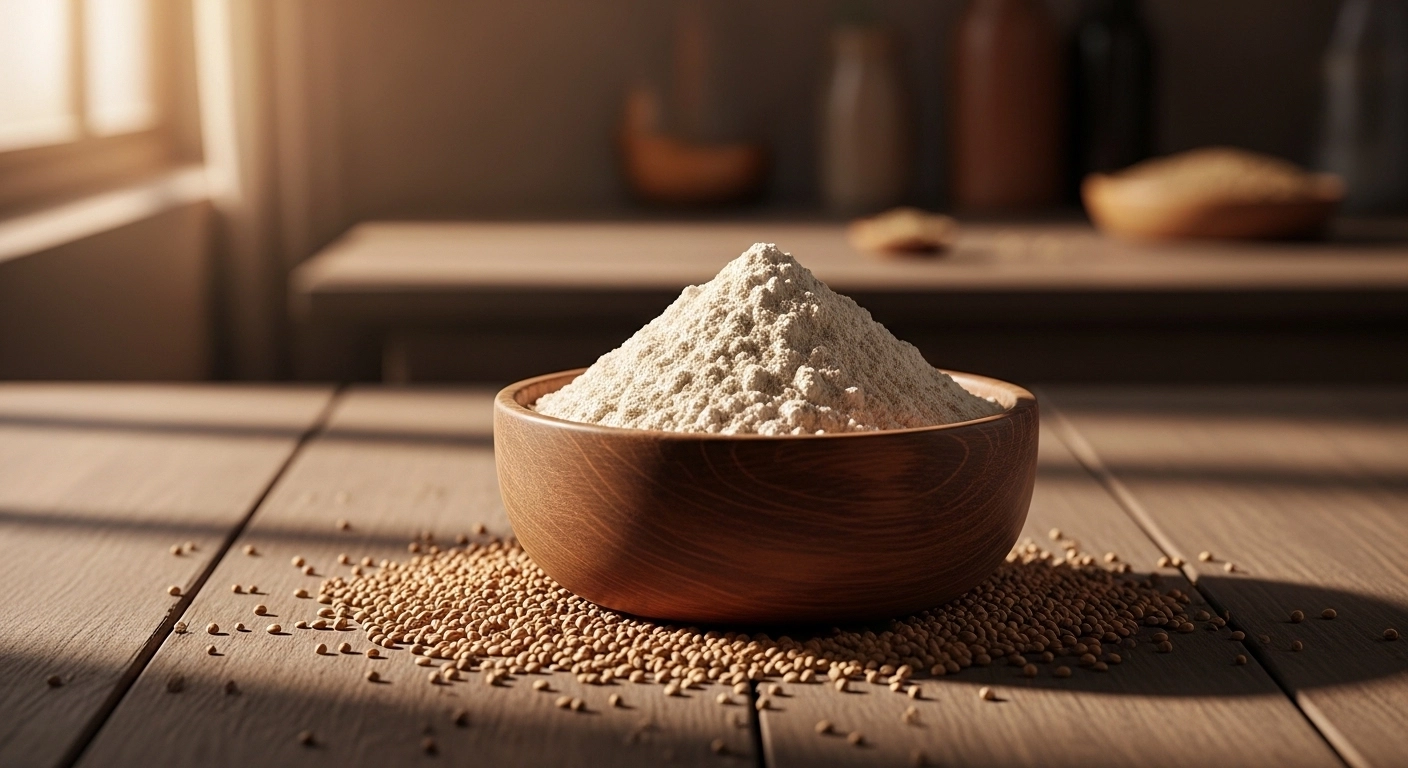
Jowar atta is flour milled from jowar, also known as sorghum — a hardy cereal grain grown widely across Maharashtra, Karnataka, Telangana, and other parts of India. Unlike wheat, jowar contains no gluten, which makes jowar atta a natural choice for anyone managing gluten intolerance, celiac disease, or simply trying to cut back on refined grains.

Traditionally, jowar atta is stone-ground rather than machine-milled at high speeds. Stone-milling keeps the flour's temperature low during grinding, which helps preserve its natural fibre, minerals, and subtle nutty aroma. This is one reason freshly stone-ground jowar atta tends to taste noticeably better than flour that has been sitting on a store shelf for months.

Jowar Atta Nutrition: What's Inside

One of the biggest reasons households are switching to jowar atta is its nutritional profile. Per 100g, jowar atta typically offers:

  • Dietary fibre: Around 7g, which supports digestion and helps you feel fuller for longer.
  • Protein: Roughly 11g, making it a fairly protein-dense flour compared to refined wheat flour.
  • Minerals: Notable amounts of iron and manganese, both important for everyday energy and metabolic function.
  • Glycemic index: Low, meaning it releases energy more slowly than high-GI refined flours.
  • Gluten: None — jowar is naturally gluten-free.

This combination of fibre, protein, and a low glycemic index is exactly why jowar atta is often recommended for people who want steadier energy through the day, rather than the quick spike-and-crash that comes with more refined carbohydrates.

Health Benefits of Jowar Atta

1. Naturally Gluten-Free

For anyone with celiac disease or non-celiac gluten sensitivity, jowar atta offers a way to enjoy rotis and flatbreads without the discomfort that wheat-based flours can cause. Because it's a whole grain flour rather than a processed gluten-free substitute, it also brings genuine nutritional value to the table.

2. Supports Blood Sugar Management

Jowar atta's low glycemic index means it doesn't cause the sharp blood sugar spikes associated with refined flours. Combined with its fibre content, this makes jowar rotis a sensible everyday choice for people who are mindful of their blood sugar levels. That said, anyone managing diabetes should still consult their doctor for personalised dietary advice.

3. Aids Digestion

With close to 7g of fibre per 100g, jowar atta contributes meaningfully to daily fibre intake, which supports regular digestion and gut health. If you're new to millet-based flours, it's worth easing in gradually — start by blending 25–30% jowar atta with your regular wheat atta and increase the ratio over a couple of weeks as your body adjusts.

4. Protein and Mineral Support

At around 11g of protein per 100g, jowar atta punches above its weight compared to many other flours. Add in the iron and manganese content, and you get a flour that contributes to more than just carbohydrates — it's a genuinely wholesome addition to your daily diet.

5. A Heart-Friendly Choice

Whole grains like jowar are generally associated with better heart health outcomes compared to refined grains, largely due to their fibre content and the way they're digested more slowly, avoiding sudden spikes that put stress on the body's metabolic systems.

How to Use Jowar Atta in Your Kitchen

Jowar atta is versatile, but because it lacks gluten, it behaves differently from wheat flour when kneading and rolling. Here's how to get the best results:

  • Rotis and bhakris: Knead the dough with warm or hot water rather than cold water — this helps bind the flour since there's no gluten to hold it together. Let the dough rest for a few minutes before rolling.
  • Ease into it: If you're trying jowar atta for the first time, mix it 50:50 with wheat atta. This makes the dough easier to handle while you get used to the texture, and you can gradually increase the jowar ratio as you get more comfortable.
  • Parathas and cheelas: Jowar atta works well for stuffed parathas and savoury cheelas (pancakes), adding a nutty flavour and extra fibre to these everyday dishes.
  • Snacks: Beyond rotis, jowar atta can be used in savoury crackers, khakhras, and other baked snacks for a healthier twist on regular flour-based treats.

Tip: Roll jowar rotis gently and use a bit of extra flour while rolling to prevent tearing, since the dough doesn't have the elasticity of wheat dough.

How to Store Jowar Atta

Because good jowar atta typically has no preservatives, storage matters more than it does with heavily processed flours. Keep these tips in mind:

  • Store in an airtight container to prevent moisture and pests from getting in.
  • Keep it in a cool, dry place away from direct sunlight.
  • Use within a few weeks of opening for the best flavour and freshness — freshly milled flour doesn't have the shelf-stabilising additives that packaged, long-stored flours often rely on.

How to Choose Good Jowar Atta

Not all jowar atta is created equal. Here's what to look for when buying:

  1. Milling method: Stone-ground flour retains more nutrients and flavour than flour milled at high speed and high heat.
  2. Freshness: Look for brands that mill in small batches or after an order is placed, rather than flour that's been sitting in storage for months.
  3. No additives: Pure jowar atta shouldn't need chemical preservatives or bleaching agents.
  4. Certifications: Look for FSSAI licensing and quality certifications like ISO 22000, which indicate the manufacturer follows recognised food safety standards.
  5. Transparent sourcing: Brands that are open about where and how their flour is milled tend to be more trustworthy.

Frequently Asked Questions About Jowar Atta

Is jowar atta gluten-free? Yes. Jowar (sorghum) is a naturally gluten-free grain, making jowar atta suitable for people with celiac disease or gluten sensitivity.

Is jowar atta good for weight loss? Its high fibre content helps you feel full for longer, which can support portion control as part of a balanced diet. It's not a magic solution on its own, but it's a smart substitute for refined flours.

Can diabetics eat jowar roti? Jowar atta has a low glycemic index and decent fibre content, so it releases energy more slowly than refined wheat flour. Many people managing blood sugar find it a sensible everyday option, though it's best to check with a doctor for personalised guidance.

Why does my jowar roti crack while rolling? This usually happens because the dough wasn't kneaded with warm water, wasn't rested long enough, or was rolled too aggressively. Using warm water, resting the dough, and rolling gently with a light dusting of flour usually solves this.

Can I eat jowar roti every day? Yes, it's light and fibre-rich, making it suitable for daily consumption. If you're new to it, ease in gradually by mixing it with wheat atta first.

What's the difference between jowar, bajra, and ragi flour? All three are gluten-free millet-based flours with their own nutritional strengths — jowar is milder in taste and higher in protein relative to some other millets, bajra is warming and often preferred in winter, while ragi is particularly rich in calcium. Many people rotate between them for variety and balanced nutrition.

Final Thoughts

Jowar atta isn't a trendy new health fad — it's a time-tested grain that Indian households have relied on for generations, now finding renewed relevance in a world looking for gluten-free, fibre-rich, minimally processed food choices. Whether you're managing a gluten intolerance, watching your blood sugar, or simply want a healthier daily roti, jowar atta offers a genuinely wholesome option — provided you choose a good quality, freshly milled variety and give yourself a little time to adjust to cooking with it.

With the right technique and a bit of patience in the kitchen, jowar atta can easily become a comforting, everyday staple rather than an occasional health-food experiment.