English
 Arabic
 French
 Spanish
 Portuguese
 Deutsch
 Turkish
 Dutch
Dutch
 Italiano
 Russian
 Romaian
 Portuguese (Brazil)
 Greek
Greek
CNC Machine Industry Analysis: Future Manufacturing Technologies Reshape Market Growth
Literature |
2026-05-27 15:17:17
 Advertise With Us
 About Us
 Terms And Conditions
 Privacy Policy
Mostra tutti i risultati
Privacy Policy
Mostra tutti i risultati

Passa a Pro
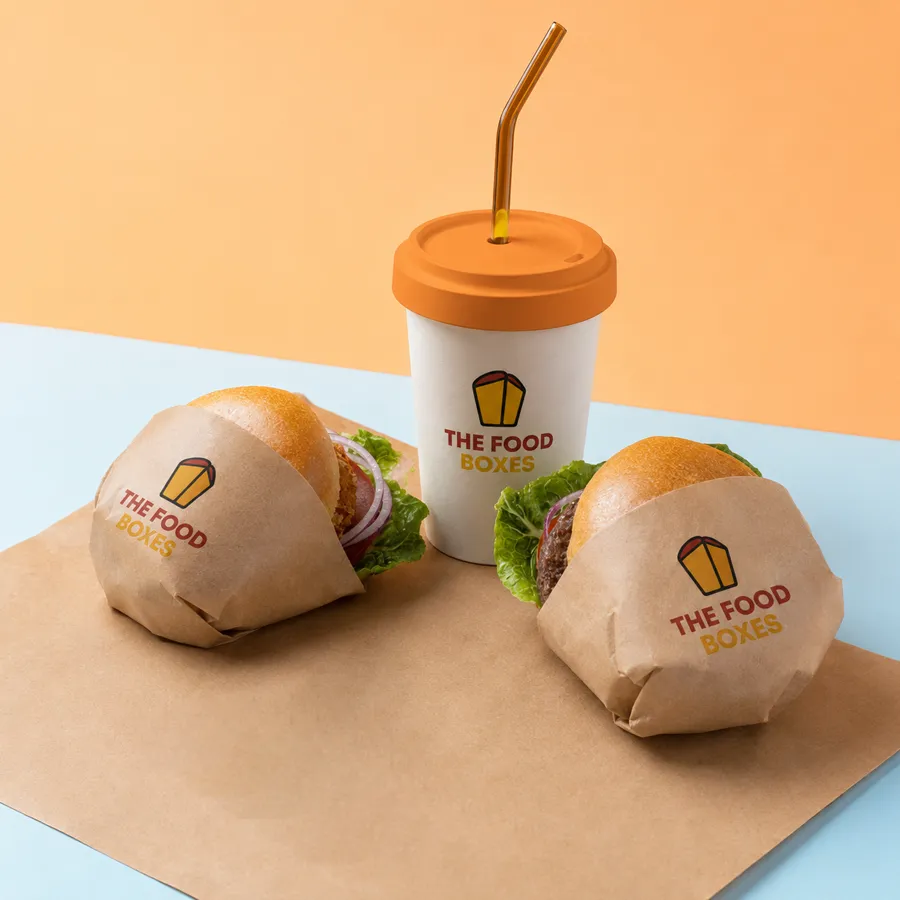
A burger arrives cold. A pastry box collapses on the drive home. A bakery order gets crushed in a delivery van because the box wasn't built for the product inside it. These aren't rare mishaps. They happen every day to restaurants, caterers, and food brands that treat packaging as an afterthought instead of a functional part of the product itself.
For business owners and procurement teams sourcing packaging at scale, the real question isn't whether custom boxes look nice. It's whether they hold up during transit, storage, and handling — and whether the supplier behind them can deliver consistently. Here's what actually matters when evaluating custom food boxes for protection, and how to make a purchasing decision you won't regret.
Generic, off-the-shelf boxes are built for average dimensions, not your specific product. A box that's too large lets contents shift and collide. One that's too tight puts pressure on delicate items like pastries or layered dishes. Custom sizing solves this by matching the box to the product's actual footprint, which is why options like mailer boxes, rigid boxes, and tuck-end boxes are worth evaluating based on what you're actually shipping, not just what's available in bulk.
Corrugated board, kraft stock, and rigid construction each behave differently under stress, moisture, and stacking weight. A supplier who can walk you through material options — and explain trade-offs in plain terms — is more valuable than one who simply quotes a price. This is where The Food Boxes becomes a useful reference point, since reviewing how different materials are presented and specified can help procurement teams ask sharper questions before committing to an order.
Food items aren't interchangeable, and neither should their boxes be. A stacked sandwich needs different support than a single burger, and hot food needs ventilation that cold desserts don't. For example, Burger Packaging built with reinforced bases and secure closures addresses a specific handling problem: keeping a hot, saucy product intact between the counter and the customer's hands. When evaluating suppliers, ask whether they design around the product or simply resize a standard template.
Minimum order quantities and production timelines are often the deciding factor between two otherwise similar suppliers. A low MOQ might suit a seasonal menu test, while a larger order makes sense for a business with steady, predictable volume. Lead times matter just as much — a supplier quoting six weeks isn't useful if your launch is in three. Before signing off on any order, procurement managers should confirm both numbers in writing, not just verbally during a sales call.
Printing a logo on a box is easy. Designing a box that protects the product while carrying that branding is the harder, more valuable work. Custom sleeves, for instance, allow a plain structural box to carry design elements without compromising the box's core protective function. When comparing quotes, ask suppliers how customisation choices — window cutouts, coatings, closures — might affect durability, not just appearance.
The best packaging design means little if the supplier can't deliver it consistently, order after order. Ask for references, sample runs, and clear answers about quality control before placing a large order. A supplier willing to explain their process, share specifications, and answer direct questions about materials and timelines is generally a safer long-term partner than one who only pushes for a quick sale.
Choosing custom food boxes comes down to matching product needs with practical business constraints — budget, order volume, timeline, and how much design flexibility actually matters for your goals. Business owners and event companies who ask specific questions about material, MOQ, lead time, and design intent tend to end up with packaging that performs, rather than packaging that just looks good in a sample photo.
If you're weighing options for an upcoming order, it's worth requesting a detailed quote and comparing it against what's outlined here — dimensions, materials, timelines, and design specifics — before making a final call.