English
 Arabic
 French
 Spanish
 Portuguese
 Deutsch
 Turkish
 Dutch
Dutch
 Italiano
 Russian
 Romaian
 Portuguese (Brazil)
 Greek
Greek
Trending on BookTok Everyone Here Is Lying by Shari Lapena
Travel |
2026-06-11 05:09:20
 Advertise With Us
 About Us
 Terms And Conditions
 Политика конфиденциальности
Смотреть все
Политика конфиденциальности
Смотреть все

Обновить до Про
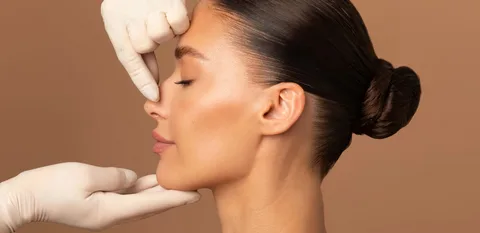
Undergoing rhinoplasty is a transformative experience that extends far beyond the time spent in the operating room. While the surgical technique establishes the structural foundation of your new nasal contours, the ultimate success of the procedure relies heavily on the body's natural healing process. Understanding what to expect during each phase of recovery transforms uncertainty into confidence, empowering you to care for your healing tissues properly. From the initial removal of the external splint to the subtle, long-term settling of micro-swelling, every milestone brings you closer to your final aesthetic and functional goals.
The initial seven days represent the most acute phase of post-operative recovery, characterized by primary tissue repair and significant inflammatory responses.
Immediate Post-Op Care: Patients typically experience moderate swelling around the mid-face and eyes, mild nasal congestion resembling a severe cold, and mild discomfort easily managed with prescribed medications.
Head Elevation: Maintaining an elevated head position, even during sleep, is vital to encourage fluid drainage and minimize bruising.
Splint Removal Appointment: On or around the seventh day, you will return to the clinic for a crucial milestone: the removal of the protective external nasal splint and any non-dissolvable sutures. Seeing your initial contour for the first time can be exciting, though keep in mind that acute swelling is still present.
As you transition out of the initial recovery week, the body makes remarkable strides in subduing acute inflammation.
Reduction of Bruising and Swelling: Most visible bruising and major swelling fade significantly during this window, allowing many individuals to comfortably resume light professional duties, social engagements, and non-strenuous daily routines.
Physical Restrictions: Strenuous workouts, heavy lifting, and bending over remain strictly prohibited to prevent sudden spikes in blood pressure that could disrupt healing tissues.
Eyewear Precautions: Resting heavy glasses directly on the nasal bridge is still forbidden; alternative methods, such as taping glasses to the forehead or utilizing specialized lightweight frames, must be continued.
During this intermediate phase, the deeper structural frameworks of bone and cartilage begin to settle firmly into their newly configured positions.
Increased Definition: Facial contours become much more refined, and the overall shape of the nose aligns more closely with the surgical plan established during your initial consultations.
Lingering Micro-Swelling: Subtle, invisible-to-others micro-swelling may persist—particularly for individuals with thicker skin envelopes or those who underwent complex tip modifications. This residual swelling tends to fluctuate slightly throughout the day based on sodium intake, physical activity, and environmental warmth.
Resuming Activities: With your surgeon's clearance, most normal physical exercises, cardiovascular routines, and standard eyewear habits can safely resume.
Patience is the ultimate virtue in rhinoplasty recovery, as achieving the final, permanent outcome requires a full twelve months of tissue maturation.
Complete Tissue Settling: By the one-year mark, all internal and external layers have completely relaxed, scar tissue maturation is finished, and the skin has fully redraped over the underlying structural framework.
Enduring Harmony: The permanent contour, refined angles, and optimized respiratory function established during your surgery are now fully realized, delivering long-lasting facial harmony and enhanced self-assurance.