English
 Arabic
 French
 Spanish
 Portuguese
 Deutsch
 Turkish
 Dutch
Dutch
 Italiano
 Russian
 Romaian
 Portuguese (Brazil)
 Greek
Greek
The Little Details That Change a Ring’s Entire Look
Shopping |
2026-06-29 10:47:14
 Advertise With Us
 About Us
 Terms And Conditions
 سياسة الخصوصية
عرض كل النتائج
سياسة الخصوصية
عرض كل النتائج

ترقية الحساب
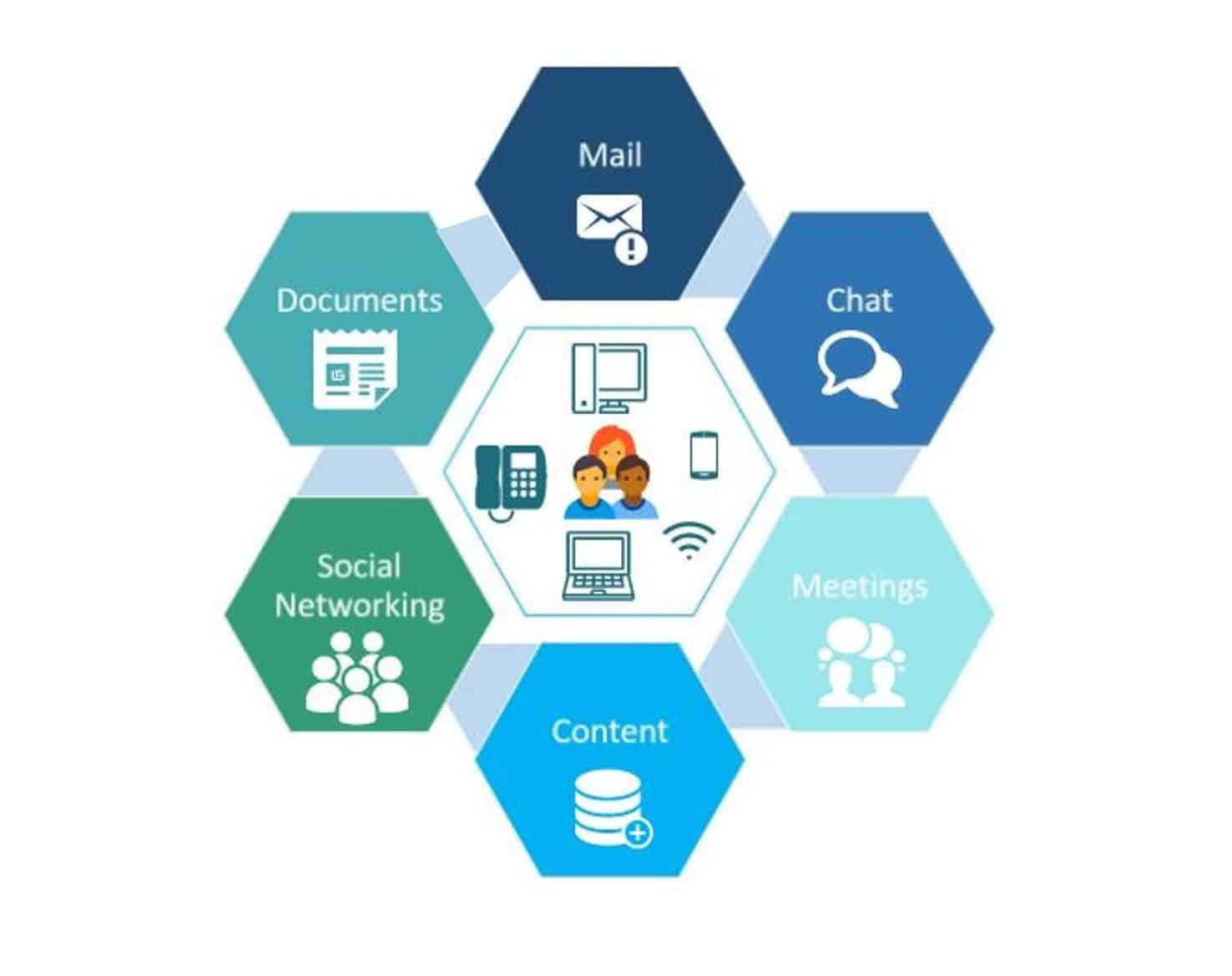
In the modern era, an organization's most valuable asset is the collective intelligence and productivity of its workforce. The global Enterprise Collaboration industry has emerged as the critical technological backbone that unlocks this potential, providing the digital tools and platforms necessary for teams to communicate, create, and innovate together, regardless of physical location. This industry encompasses a wide array of software and services designed to break down information silos, streamline workflows, and foster a culture of teamwork. It has evolved far beyond simple email and file sharing, now offering sophisticated, integrated suites that act as a central "digital headquarters" for a company. By providing a unified space for conversations, document co-authoring, project planning, and knowledge sharing, the enterprise collaboration industry empowers businesses to become more agile, responsive, and resilient. In a world where work is no longer a place but an activity, this industry provides the essential infrastructure for sustained business success and competitive advantage, connecting people, content, and business processes in a seamless digital fabric.
At the heart of the enterprise collaboration industry are the tools designed for unified communication and real-time interaction. This segment, often falling under the umbrella of Unified Communications as a Service (UCaaS), is the lifeblood of a connected workforce. Video conferencing platforms like Zoom, Microsoft Teams, and Cisco Webex have become indispensable, transforming from occasional meeting tools to the primary venue for daily stand-ups, client presentations, and all-hands meetings. These platforms are more than just video streams; they integrate features like virtual whiteboards, polling, breakout rooms, and AI-powered transcription to make virtual meetings as, or even more, effective than in-person ones. Alongside video, persistent messaging applications, often integrated within the same platforms, have largely replaced the inefficiencies of internal email. These chat-based workspaces allow for a continuous flow of conversation in public channels or private groups, enabling rapid-fire Q&A, quick decision-making, and a more informal, connected team dynamic. This combination of synchronous (video) and asynchronous (messaging) communication tools forms the conversational layer upon which all other collaboration is built.
Complementing the communication layer is the equally critical realm of content and project collaboration. This part of the industry focuses on the creation, management, and organization of work itself. Cloud-based document storage and co-authoring platforms, such as Google Workspace (Docs, Sheets) and Microsoft 365 (Word, Excel), are foundational. They allow multiple team members to work on the same file simultaneously, track changes, and leave comments, eliminating the version control chaos of traditional file attachments. Layered on top of this are dedicated project and work management tools like Asana, Monday.com, and Atlassian's Jira. These platforms provide a structured environment for defining tasks, assigning ownership, setting deadlines, and visualizing project progress through various methodologies like Kanban boards or Gantt charts. They provide a single source of truth for "who is doing what by when," which is essential for keeping complex projects on track. Furthermore, enterprise social networks and knowledge management systems (e.g., enterprise wikis) create spaces for broader organizational knowledge sharing, helping to capture and distribute valuable information that might otherwise be lost in individual inboxes or team chats.
The competitive landscape of the enterprise collaboration industry is dominated by a few technology titans but also features a vibrant ecosystem of specialized players. Microsoft, with its deeply integrated Teams and Microsoft 365 suite, and Google, with its popular Google Workspace, command a massive share of the market. Their strategy revolves around providing an all-in-one ecosystem that covers nearly every aspect of collaboration, leveraging their existing dominance in operating systems and productivity software. Hot on their heels are major players like Cisco, which continues to innovate with its Webex platform, and Salesforce, which made a major strategic move by acquiring Slack to create a powerful communication-first platform for its business customers. Zoom, which became a household name, continues to expand from its video-conferencing core into a broader communications platform. Alongside these giants, a multitude of innovative, best-of-breed companies thrive by focusing on excellence in specific niches, such as project management (Atlassian), document collaboration (Dropbox), or virtual whiteboarding (Miro). This dynamic interplay between integrated suites and specialized tools ensures a highly competitive and rapidly innovating market.
Explore More Like This in Our Reports: