English
 Arabic
 French
 Spanish
 Portuguese
 Deutsch
 Turkish
 Dutch
Dutch
 Italiano
 Russian
 Romaian
 Portuguese (Brazil)
 Greek
Greek
Common Projects Sneakers: The Luxury Footwear That Never Goes Out of Style
Shopping |
2026-07-15 07:00:45
 Advertise With Us
 About Us
 Terms And Conditions
 Politique de confidentialité
Tout voir
Politique de confidentialité
Tout voir

Mise à niveau vers Pro
Injuries can happen to anyone at any time. Children fall during play, and adults strain muscles at work. Older family members may experience joint problems or fall-related injuries. Recovery affects the entire household, not just the injured person. Understanding how to support recovery makes a significant difference. The right approach shortens healing time and prevents complications. This guide offers practical, evidence-based injury recovery tips for Whitby families.
Recovery is not simply waiting for pain to disappear. It involves active steps to restore strength and function. Ignoring proper recovery leads to long-term problems. Chronic pain often develops when acute injuries are poorly managed. Muscle weakness and joint instability can become permanent without rehabilitation. Families who understand recovery principles can support each other better. Education is the foundation of every successful recovery journey.
Rest was once the standard recommendation after every injury. Modern research tells a very different story. Prolonged rest leads to muscle atrophy and joint stiffness. Controlled, early movement actually promotes faster tissue healing. Blood flow increases when movement is introduced gradually. This delivers nutrients and removes waste from injured areas. Physiotherapists now recommend active rest rather than complete immobility. The goal is to protect the injury without stopping all movement.
The first 48 hours after injury are critically important. How you manage this window shapes the entire recovery. The PEACE and LOVE framework guides modern early injury care. Protection, elevation, compression, and education form the initial approach. Avoid aggressive anti-inflammatory medications in the very early stages. Inflammation is a necessary part of natural tissue repair. Ice can help manage pain but should not suppress healing entirely. Gentle elevation reduces swelling and eases discomfort effectively.
Some injuries require professional attention without delay. Significant swelling, bruising, or deformity needs urgent assessment. Inability to bear weight on a limb is a warning sign. Numbness or tingling following an injury suggests nerve involvement. Pain that does not improve within 48 to 72 hours warrants care. Children's injuries should always be assessed promptly by a professional. Early clinical evaluation prevents serious complications from developing. Delaying care often transforms manageable injuries into complex conditions.
Nutrition plays a surprisingly powerful role in healing. Protein is essential for tissue repair and muscle rebuilding. Aim for adequate protein at every meal during recovery. Vitamin C supports collagen synthesis in tendons and ligaments. Omega-3 fatty acids help modulate inflammation during healing. Zinc and magnesium support immune function and tissue repair. Staying well hydrated keeps connective tissues supple and healthy. A well-nourished body heals faster and more completely than a depleted one.
Sleep is when the body performs most of its repair work. Growth hormone, essential for tissue healing, is released during sleep. Poor sleep quality slows recovery and amplifies pain perception. Aim for seven to nine hours of quality sleep during recovery. Comfortable positioning with appropriate pillows supports injured areas. Avoid screens before bed to improve sleep quality consistently. Address pain management so that sleep is not disrupted overnight. Sleep is one of the most underestimated recovery tools available.
Staying appropriately active during recovery is strongly encouraged. Activity maintains cardiovascular fitness and overall functional capacity. The key is choosing activities that do not stress the injured area. Swimming is gentle on joints and maintains fitness effectively. Upper body exercise is appropriate during lower limb recovery. Core strengthening exercises are often safe and highly beneficial. A physiotherapist can advise on which activities are appropriate. Maintaining activity reduces depression and anxiety during recovery.
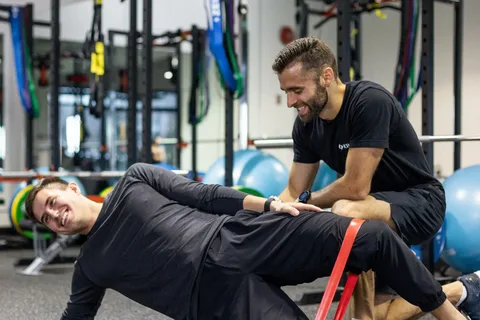
Professional physiotherapy is the most effective recovery resource available. Physiotherapists assess the injury and design individualized programs. Exercises are tailored to the patient's age, fitness, and goals. Manual therapy techniques address pain and restore mobility. For families seeking expert care, physiotherapy Whitby offers comprehensive, individualized rehabilitation services. Children, adults, and older family members all benefit from professional care. Regular sessions combined with home exercise programs accelerate healing. Professional guidance prevents the mistakes that prolong recovery unnecessarily.
Supporting a recovering family member requires patience and understanding. Encourage adherence to the physiotherapist's exercise program. Help create a safe home environment that reduces re-injury risk. Remove trip hazards and ensure good lighting throughout the home. Accompany the recovering person to appointments when possible. Celebrate small milestones to maintain motivation and positivity. Avoid pushing the recovering person beyond their current capacity. Emotional support significantly improves recovery outcomes and wellbeing.
Several common mistakes slow recovery for family members. Returning to full activity too soon is a frequent error. The absence of pain does not mean healing is complete. Skipping physiotherapy appointments disrupts program continuity significantly. Ignoring the home exercise program reduces the rate of progress. Using pain medications to mask pain and continue activity is dangerous. Comparing recovery speed to others creates unrealistic expectations. Every injury and every person heals at their own individual pace.
Recovery is also an opportunity to build greater physical resilience. Strengthening programs developed during recovery can be continued long-term. Improved strength and flexibility reduce the risk of future injury. Better movement habits learned in physiotherapy protect joints daily. Families can adopt healthy physical activity routines together. Regular exercise is the most powerful form of injury prevention. Use the recovery experience as motivation to build lasting health. Stronger families are healthier, happier, and more active together.
A recovery-friendly home environment supports faster healing. Ensure frequently used items are within easy reach for the patient. Non-slip mats in bathrooms and kitchens prevent dangerous falls. Grab rails near toilets and stairs provide essential support. Temporary furniture rearrangement may improve mobility through the home. Adequate lighting in all areas prevents trips and stumbles. A calm, stress-free environment supports both physical and emotional recovery. Small home modifications can make a meaningful difference every day.
Injury recovery for Whitby families is a shared journey. Understanding the process helps everyone play a supportive role. Proper early management, nutrition, sleep, and activity all matter. Professional physiotherapy provides the expert guidance families need. Creating a supportive home environment accelerates healing meaningfully. The combined effort of the family and healthcare team achieves the best results. Recovery is not just possible — it is achievable with the right approach.