English
 Arabic
 French
 Spanish
 Portuguese
 Deutsch
 Turkish
 Dutch
Dutch
 Italiano
 Russian
 Romaian
 Portuguese (Brazil)
 Greek
Greek
Best Heroin Addiction Treatment Center | Professional Rehab Care
Health |
2026-08-26 06:51:31
 Advertise With Us
 About Us
 Terms And Conditions
 Política de privacidade
Ver todos
Política de privacidade
Ver todos

Atualizar para Plus
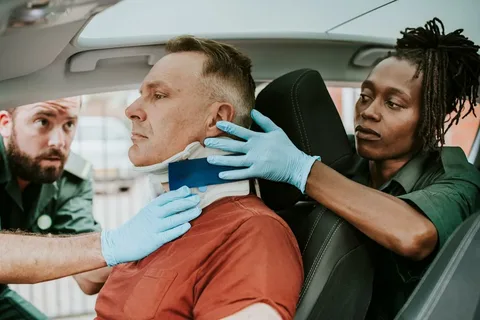
A car accident can disrupt your life in an instant. The physical aftermath is often more complex than it first appears. Many survivors feel confused about what their recovery will look like. Understanding the recovery process helps reduce anxiety and uncertainty. It also helps you make better decisions about your care. Knowing what to expect empowers you to heal more effectively.
The initial 48 to 72 hours are a critical window. Your body is actively responding to the physical trauma. Adrenaline released during the crash often masks pain initially. Symptoms may not appear until hours or days afterward. Swelling, stiffness, and soreness develop as inflammation sets in. Do not assume you are uninjured simply because you feel fine.
Soft tissue injuries are among the most common crash outcomes. They affect muscles, tendons, and ligaments throughout the body. These injuries are invisible on standard X-ray imaging. Only a trained physiotherapist can accurately assess them clinically. Early professional assessment prevents minor injuries from becoming chronic. Seeking care within the first few days is strongly recommended.
Neck pain and stiffness are extremely common after collisions. Headaches often develop due to cervical muscle tension and strain. Low back pain is another very frequently reported complaint. Shoulder soreness, arm tingling, and fatigue are also common. Some survivors experience dizziness and difficulty concentrating clearly. These symptoms warrant prompt assessment by a qualified professional.
Sleep disturbances frequently accompany the early recovery phase. Pain and anxiety can significantly disrupt restorative rest. Poor sleep slows the physical healing process considerably. A physiotherapist can advise on positioning and sleep hygiene strategies. Managing sleep proactively accelerates the overall recovery timeline. Your body heals most efficiently during quality deep sleep.
After the initial acute phase, rehabilitation begins in earnest. This phase focuses on restoring movement, strength, and daily function. A structured rehabilitation plan is developed by your physiotherapist. The plan addresses your specific injuries and personal recovery goals. Consistency with your treatment plan is absolutely essential for success. Progress is gradual but builds meaningfully with each passing week.
Manual therapy is a foundational component of the rehabilitation phase. Physiotherapists use hands-on techniques to restore joint mobility. Soft tissue manipulation reduces muscle tension and improves circulation. Trigger point therapy releases painful bands of tight muscle tissue. These techniques produce immediate and measurable improvements in most patients. Each session builds upon the progress made in the previous one.
The middle of your rehabilitation journey is when meaningful progress becomes apparent. This is also when most patients engage with car accident physiotherapy in a structured and committed way. Therapeutic exercise is progressively introduced to rebuild lost strength. Core stabilization programs support the healing spine during all movements. Functional exercises prepare the body for real-life daily demands. Each exercise is selected to match your current stage of recovery.
Pain is a normal and expected part of the recovery journey. However, it should be monitored and managed carefully throughout. A physiotherapist distinguishes between therapeutic discomfort and harmful pain. Modalities such as TENS, ultrasound, and heat therapy help manage pain. Ice application after exercise reduces post-activity inflammation effectively. Combining these approaches keeps pain manageable without relying solely on medication.
Pain neuroscience education is also a valuable tool for survivors. Understanding why pain occurs reduces fear and catastrophizing significantly. Patients who understand their pain engage more confidently in rehabilitation. This knowledge accelerates recovery by promoting active participation. Your physiotherapist will guide you through this education as part of care. An informed patient is genuinely a more empowered and efficient healer.
Returning to normal life is the ultimate goal of recovery. This process is gradual and carefully guided by your physiotherapist. Daily activities like driving, cooking, and household tasks are reintroduced progressively. Each task is broken down and practiced within treatment sessions. This ensures your body is genuinely ready for each demand. Rushing this phase is a common and often costly mistake.
Work re-integration depends significantly on the nature of your job. Sedentary roles allow earlier return than physically demanding occupations. A functional capacity evaluation objectively determines your work readiness. Modified duties reduce the physical demands during the transition. Your physiotherapist can provide documentation for employer accommodations. Communication between your clinic and workplace supports a smooth and safe transition.
Recovery is rarely a perfectly linear and smooth process. Setbacks and temporary increases in pain are entirely normal. They do not mean your recovery has failed or regressed permanently. A physiotherapist helps you distinguish between normal fluctuations and true setbacks. Treatment plans are adjusted in response to these changes appropriately. Staying connected with your treatment team during difficult periods is essential.
Emotional setbacks are also a completely normal part of recovery. Frustration, anxiety, and discouragement affect many accident survivors. Acknowledging these feelings is healthy and important during the process. Physiotherapy addresses the psychological dimension of recovery alongside the physical. Pain education, breathing strategies, and graded activity build confidence over time. Supporting both mind and body consistently produces the best outcomes.
Most collision injuries resolve fully with dedicated and consistent rehabilitation. The timeline varies depending on injury severity and individual health factors. Staying active and maintaining your exercise routine supports long-term recovery. Your physiotherapist will provide a maintenance program after formal treatment ends. This program keeps muscles strong and prevents future injury effectively. Annual check-ins identify and address any emerging concerns early.
Understanding your rights and insurance coverage is also very important. Alberta residents involved in motor vehicle accidents access physiotherapy benefits. Early documentation from a physiotherapist supports all insurance claims. Keep records of every appointment and all related healthcare expenses. Your clinic can assist with the administrative and insurance processes. Knowledge of your entitlements ensures access to all the care you need.
Recovery after a car accident is a structured and manageable journey. Understanding each phase reduces uncertainty and promotes active participation. Early assessment, consistent rehabilitation, and patient education all produce better outcomes. Setbacks are normal and manageable with professional guidance and support. With commitment and the right care, full recovery is entirely achievable. Reaching out to a qualified physiotherapist is the most important step you can take.