English
 Arabic
 French
 Spanish
 Portuguese
 Deutsch
 Turkish
 Dutch
Dutch
 Italiano
 Russian
 Romaian
 Portuguese (Brazil)
 Greek
Greek
Everything You Need to Know Before Installing Residential Window Film
Other |
2026-07-09 06:46:31
 Advertise With Us
 About Us
 Terms And Conditions
 Πολιτική Ιδιωτικότητας
δες τα όλα
Πολιτική Ιδιωτικότητας
δες τα όλα

Upgrade to Pro
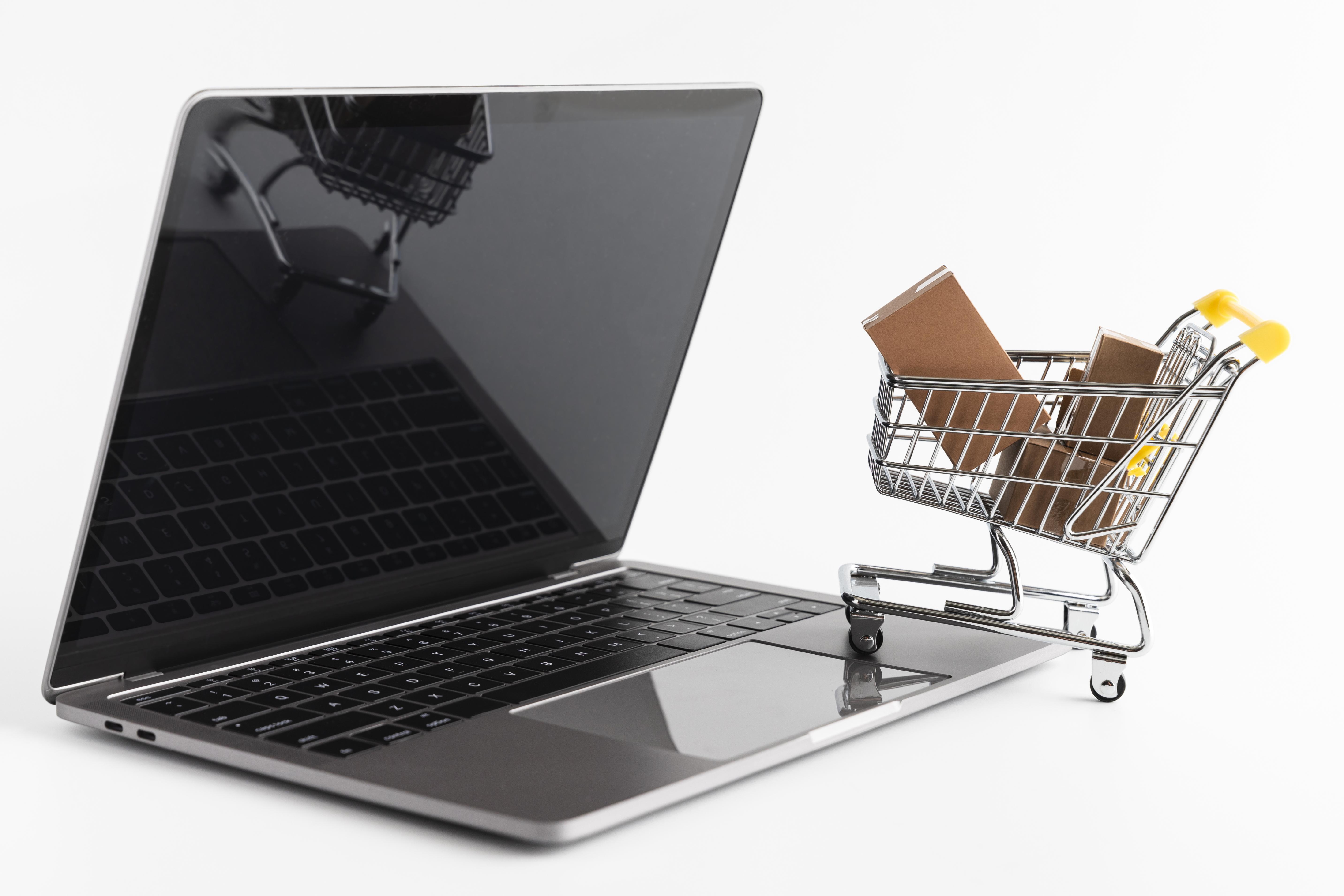
Customer demand is constantly evolving, especially in the electronics retail industry. New product launches, seasonal buying trends, educational requirements, office upgrades, and changing technology preferences can quickly influence purchasing behaviour. Retailers that cannot respond to these changes often experience inventory shortages, delayed deliveries, and missed sales opportunities.
For electronics retailers in India selling keyboards, mice, storage devices, networking products, webcams, USB accessories, printers, and other computer peripherals, staying ahead of customer demand requires more than maintaining stock. Businesses need a procurement system that allows them to source products quickly, monitor inventory efficiently, and work with reliable suppliers. Traditional purchasing methods often involve visiting multiple wholesale markets, contacting several suppliers individually, and spending valuable time comparing products and availability.
Digital procurement has transformed the way retailers manage purchasing. By using organised digital sourcing systems, businesses can simplify procurement, improve inventory planning, and react faster to changing customer demand. Retailers that adopt digital procurement are better positioned to maintain product availability while supporting long-term business growth.
Customer demand no longer follows a predictable pattern throughout the year.
Retailers frequently experience demand changes because of:
Understanding these shifts allows businesses to prepare inventory more effectively.
Digital procurement works best when combined with accurate forecasting.
Retailers should regularly analyse:
Forecasting helps businesses purchase inventory before demand increases.
Inventory visibility allows retailers to make faster procurement decisions.
Businesses should monitor:
Accurate inventory information reduces the risk of stock shortages.
Traditional procurement often slows business operations because retailers spend significant time searching for suppliers and comparing products.
Digital procurement helps businesses:
Faster procurement improves inventory availability.
Supplier diversity is one of the biggest advantages of digital procurement.
Instead of relying on a single supplier, retailers can access multiple sourcing options.
Benefits include:
Multiple supplier options reduce procurement risk.
Retail businesses need purchasing systems that support consistent inventory replenishment without creating unnecessary operational complexity.
Many growing businesses strengthen procurement efficiency when they buy computer accessories online because wholesale purchasing allows retailers to source larger quantities, compare supplier offerings, and maintain better inventory availability while supporting long-term business growth.
Efficient purchasing creates stronger retail operations.
Managing several supplier relationships manually becomes increasingly difficult as business operations grow.
A platform like Apna Vayapar helps retailers connect with multiple suppliers offering a broad selection of computer accessories through one centralized marketplace. Businesses can compare products, review supplier options, check inventory availability, and organise procurement more efficiently from one platform instead of relying on multiple disconnected sourcing methods.
Using such a platform helps retailers:
Centralised supplier management simplifies procurement.
Digital procurement becomes even more effective when purchasing teams, warehouse staff, inventory managers, and sales departments work together.
Better coordination helps businesses:
Internal collaboration supports better business performance.
Emergency procurement often results in higher costs and limited supplier choices.
Retailers can minimise emergency purchases by:
Planned procurement improves operational efficiency.
Digital procurement provides valuable business insights that help retailers make better purchasing decisions.
Businesses should review:
Data-driven procurement improves inventory planning.
A stable supply chain enables retailers to respond quickly to changing customer demand.
Businesses can strengthen supply chain performance by:
Supply chain stability supports long-term growth.
Digital procurement should become an essential part of overall business planning.
An effective strategy should include:
Continuous improvement allows businesses to remain competitive as customer expectations evolve.
Customers are more likely to return when products are consistently available.
An organised digital procurement system helps businesses:
Customer satisfaction contributes directly to sustainable business growth.
Digital procurement has become an essential tool for retailers looking to stay ahead of changing customer demand. Businesses that improve inventory visibility, forecast demand accurately, strengthen supplier networks, and adopt organised procurement systems are better prepared to maintain consistent product availability while reducing operational risks. Rather than reacting to shortages, successful retailers use digital procurement to plan ahead and improve overall business performance.
With the support of digital procurement platforms like Apna Vayapar, retailers can connect with trusted suppliers, access a wide variety of computer accessories, and streamline sourcing through one centralized marketplace. By embracing digital procurement and continuously improving purchasing strategies, electronics retailers can strengthen operational efficiency, improve customer satisfaction, and achieve sustainable long-term growth in India's competitive retail market.