English
 Arabic
 French
 Spanish
 Portuguese
 Deutsch
 Turkish
 Dutch
Dutch
 Italiano
 Russian
 Romaian
 Portuguese (Brazil)
 Greek
Greek
Botox injection in Riyadh for Excessive Sweating Treatment
Health |
2026-07-08 11:35:30
 Advertise With Us
 About Us
 Terms And Conditions
 Πολιτική Ιδιωτικότητας
δες τα όλα
Πολιτική Ιδιωτικότητας
δες τα όλα

Upgrade to Pro
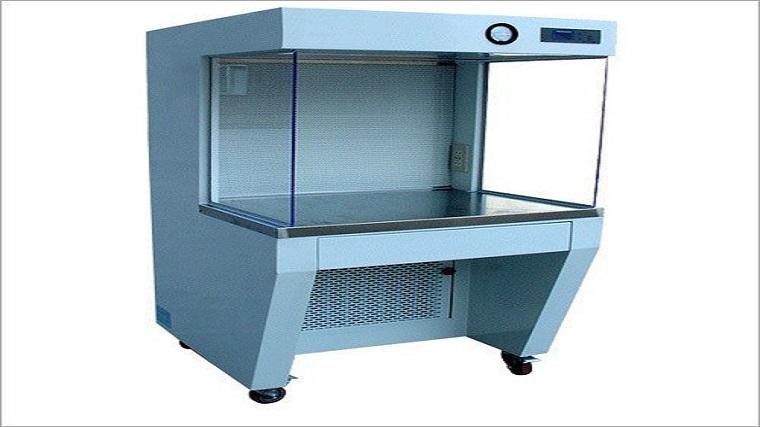
In industries where even microscopic contaminants can affect product quality or research accuracy, maintaining a sterile working environment is essential. A Laminar Workstation is designed to create a continuous flow of clean, filtered air that protects sensitive materials from airborne particles. From pharmaceutical laboratories and biotechnology facilities to electronics manufacturing and research centers, these workstations have become an indispensable part of modern cleanroom operations.
If you're planning to invest in a Laminar Workstation, understanding its purpose, functionality, advantages, and maintenance requirements will help you choose the right solution for your workspace.
Air contains countless invisible particles such as dust, bacteria, pollen, spores, and other contaminants. In environments where products or experiments require high precision, these particles can compromise quality, safety, and compliance.
A Laminar Workstation minimizes these risks by continuously supplying filtered air across the working area, creating a clean environment for handling delicate materials and processes.
A Laminar Workstation is an enclosed workspace that uses HEPA or ULPA filtration to remove airborne contaminants before directing purified air in a smooth, uniform flow over the work surface.
Unlike conventional work tables, it provides a controlled environment where contamination is significantly reduced, making it suitable for applications requiring cleanliness and accuracy.
The working process follows a simple sequence:
This uninterrupted airflow helps maintain product integrity throughout the operation.
Different industries require different airflow patterns. The two most common types include:
In this design, filtered air flows from the rear panel toward the operator.
Best suited for:
Filtered air moves from the top of the cabinet toward the work surface.
Ideal for:
Selecting the correct airflow direction depends on the nature of the task and workspace requirements.
Understanding the major components helps users appreciate how these systems maintain clean environments.
These filters capture microscopic airborne particles, ensuring consistently purified airflow.
Pre-filters trap larger dust particles, extending the service life of the main filters.
The blower circulates air through the filtration system while maintaining steady airflow.
Provides a durable, corrosion-resistant platform that is easy to clean and disinfect.
Offers excellent visibility while protecting the working area.
Bright, energy-efficient lighting improves visibility during detailed operations.
Modern workstations often include digital controls for airflow monitoring and system operation.
Modern workstations include several features that improve both efficiency and cleanliness.
These features make the workstation suitable for demanding industrial and laboratory environments.
Continuous filtered airflow prevents airborne contamination during critical processes.
A clean workspace helps reduce product defects caused by dust or microorganisms.
Many industries must maintain controlled environments to meet quality and safety standards.
Reliable contamination control improves testing consistency and research outcomes.
Clean work conditions reduce interruptions caused by contamination-related issues.
By minimizing product rejection and material wastage, organizations can improve overall efficiency.
Because contamination control is important across many sectors, Laminar Workstation systems are widely used in various industries.
Supports sterile drug preparation, formulation, packaging, and quality testing.
Protects biological samples during research and development activities.
Provides a clean workspace for diagnostic testing and specimen handling.
Prevents dust contamination while assembling sensitive electronic components.
Maintains hygienic conditions during microbiological analysis and quality control.
Creates a clean environment for analytical procedures and formulation work.
Used in universities and research laboratories for scientific experiments.
Purchasing the right workstation requires careful evaluation of your operational needs.
Identify whether your work involves pharmaceuticals, electronics, research, food testing, or healthcare applications.
Choose horizontal or vertical airflow based on your workspace and process requirements.
Ensure the workstation uses certified HEPA or ULPA filtration.
The workstation should comfortably accommodate operators and equipment without obstructing airflow.
Corrosion-resistant stainless steel improves hygiene and equipment longevity.
Easy filter replacement and simple servicing reduce downtime and maintenance costs.
Efficient blower systems help lower long-term operating expenses.
Routine maintenance is essential for preserving airflow quality and extending equipment life.
Professional servicing should include:
Avoid these practices to maintain optimal performance:
Following proper operating procedures helps maximize the workstation's efficiency and lifespan.
A Laminar Workstation is a critical investment for organizations that require contamination-controlled environments. Its advanced air filtration system, consistent laminar airflow, and durable construction help maintain cleanliness, improve product quality, and support accurate laboratory and manufacturing processes.
Whether used in pharmaceuticals, biotechnology, electronics, healthcare, or research, selecting the right Laminar Workstation and following proper maintenance practices will ensure reliable performance for years to come. By understanding its features, applications, and operational requirements, businesses can create cleaner, safer, and more efficient workspaces while meeting stringent quality standards.