English
 Arabic
 French
 Spanish
 Portuguese
 Deutsch
 Turkish
 Dutch
Dutch
 Italiano
 Russian
 Romaian
 Portuguese (Brazil)
 Greek
Greek
Trending Read Aicha by Soraya Bouazzaoui
Sports |
2026-06-17 07:16:15
 Advertise With Us
 About Us
 Terms And Conditions
 Datenschutzbestimmungen
Alle anzeigen
Datenschutzbestimmungen
Alle anzeigen

Upgrade auf Pro
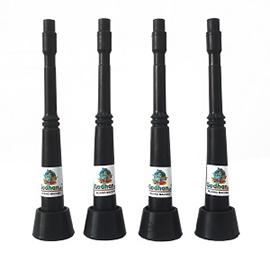
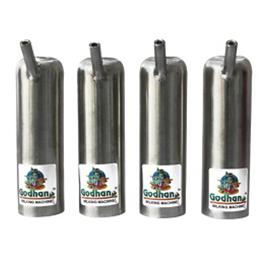
A milking machine is one of the most valuable investments for modern dairy farming, helping farmers save time, improve productivity, and maintain consistent milk quality. However, the efficiency of any milking machine depends not only on the equipment itself but also on the condition of its individual components. Milking Machine Spare Parts play a crucial role in ensuring uninterrupted performance, hygienic milk collection, and the overall health of dairy animals.
Over time, machine components are exposed to continuous use, vacuum pressure, moisture, cleaning chemicals, and temperature changes. This natural wear can reduce efficiency, increase maintenance costs, and even affect milk quality if damaged parts are not replaced promptly. Whether operating a small dairy farm or a large commercial dairy unit, understanding the purpose of various spare parts and following proper maintenance practices can significantly improve operational efficiency.
This comprehensive guide explores everything you need to know about milking machine spare parts, including their importance, different types, selection criteria, maintenance practices, common replacement signs, and how quality components contribute to long-term dairy farming success.
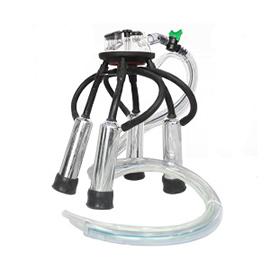
Many dairy farmers focus on purchasing a good milking machine but often overlook the importance of maintaining its individual components. Every spare part contributes to the smooth functioning of the complete milking system. Even a small damaged seal or worn-out rubber liner can reduce machine efficiency, increase energy consumption, create vacuum leaks, and compromise milk hygiene.
Replacing worn components at the right time offers several advantages:
Routine inspection and timely replacement of spare parts should therefore be considered an essential part of dairy farm management rather than an occasional repair activity.
Before learning about spare parts, it is helpful to understand how a milking machine operates.
A milking machine works by creating a controlled vacuum that gently extracts milk from the animal. The vacuum system works alongside pulsators that alternate between suction and relaxation cycles, ensuring a comfortable milking process.
The process involves several interconnected components:
Since each part depends on another, failure of even one component can affect the performance of the entire system.
Rubber liners are among the most frequently replaced components because they directly contact the animal during every milking session.
Their functions include:
Since liners lose elasticity over time, replacing them at recommended intervals helps maintain consistent performance.
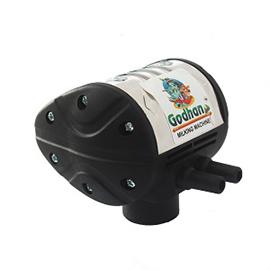
The pulsator regulates alternating vacuum pressure that mimics natural suckling.
A quality pulsator helps:
Vacuum pumps are responsible for maintaining stable suction throughout the milking process.
Important components include:
These parts require periodic inspection to prevent fluctuations in vacuum pressure.
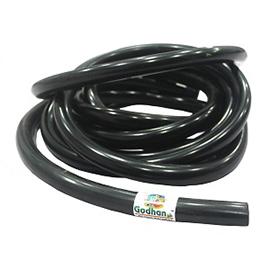
Milk tubes transport milk safely from teat cups to the collection vessel.
Quality tubing should provide:
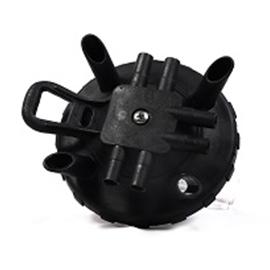
The claw acts as the central collection point where milk from all teat cups combines before flowing into the milk line.
A well-designed claw provides:
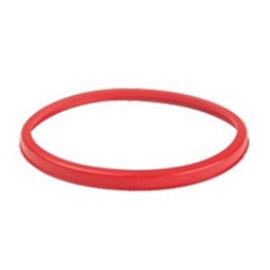
Although small, these components play an essential role by preventing air leakage and maintaining proper vacuum pressure.
Damaged seals often cause:
Selecting quality spare parts is more than simply replacing worn components. The right materials and manufacturing standards directly affect performance.
Milk-contact parts should be manufactured using food-safe materials that comply with hygiene standards.
Continuous operation requires materials capable of resisting:
Proper dimensions ensure leak-free installation and smooth operation.
Daily cleaning solutions can degrade poor-quality materials. Premium components resist detergents, sanitizers, and dairy cleaning chemicals.
Spare parts should perform reliably under varying environmental and operating temperatures.
Well-designed components reduce maintenance time and simplify replacement procedures.
Proper machine performance allows complete and efficient milk extraction during every session.
Correct vacuum pressure and flexible liners reduce stress and discomfort during milking.
Replacing worn parts before failure minimizes unexpected breakdowns and production delays.
Preventive maintenance is significantly more affordable than replacing major equipment damaged by neglected spare parts.
Food-grade components reduce contamination risks and support cleaner milk production.
Well-maintained machines experience less wear on major mechanical components, extending their useful lifespan.
Reliable equipment allows dairy farmers to complete milking faster while maintaining consistent performance.
Milking machine spare parts are widely used across different dairy sectors.
Routine maintenance ensures uninterrupted daily milk production.
Large farms require dependable replacement components to support continuous operation.
Healthy and efficient milking equipment contributes to better animal management.
Training facilities use milking equipment to educate future dairy professionals.
Accurate milk collection systems support dairy research and animal health studies.
Choosing the correct spare parts requires careful evaluation.
Always verify:
Choose materials designed specifically for dairy applications.
Long-lasting components reduce replacement frequency and maintenance expenses.
Milk-contact parts should be easy to clean and resistant to bacterial buildup.
Using commonly available replacement components simplifies future maintenance.
Rather than selecting the lowest-priced component, consider:
Proper maintenance is essential for maximizing the life of both the machine and its spare parts.
Schedule a complete equipment inspection to identify hidden wear before major failures occur.
Many maintenance issues result from avoidable mistakes.
Common errors include:
Avoiding these mistakes improves both machine performance and milk quality.
Some components naturally wear faster than others due to continuous operation.
These include:
Maintaining an inventory of these commonly replaced parts helps reduce downtime during busy dairy operations.
Modern dairy farming continues to evolve with improvements in equipment technology.
Emerging developments include:
These innovations aim to improve efficiency, reduce maintenance costs, and enhance dairy farm productivity.
Milking Machine Spare Parts are fundamental to maintaining the performance, reliability, and hygiene of every dairy milking system. From rubber liners and pulsators to vacuum regulators, milk tubes, and seals, every component contributes to efficient milk extraction and consistent machine operation.
Regular inspection, preventive maintenance, and timely replacement of worn parts not only improve milk quality but also extend equipment life, reduce operating costs, and support animal welfare. By understanding the role of each component and following proper maintenance practices, dairy farmers can ensure long-term productivity, minimize downtime, and achieve more efficient dairy operations. Investing in quality Milking Machine Spare Parts is ultimately an investment in the overall success and sustainability of a dairy farm.