English
 Arabic
 French
 Spanish
 Portuguese
 Deutsch
 Turkish
 Dutch
Dutch
 Italiano
 Russian
 Romaian
 Portuguese (Brazil)
 Greek
Greek
Why Chrome Hearts Continues to Lead the Luxury Streetwear Industry
Shopping |
2026-06-06 07:32:39
 Advertise With Us
 About Us
 Terms And Conditions
 Privacy Policy
Mostra tutti i risultati
Privacy Policy
Mostra tutti i risultati

Passa a Pro
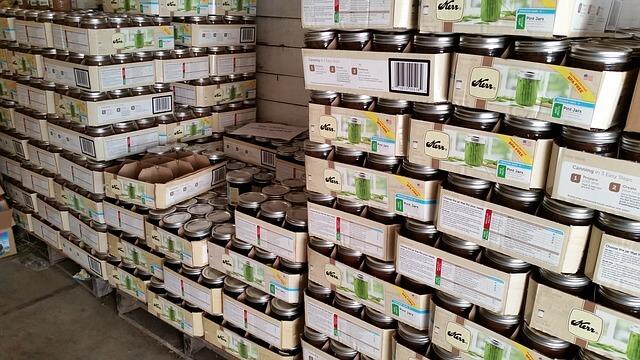
Time works against every shipment of fresh food. Unlike durable goods that can sit in a warehouse for weeks without issue, perishables begin losing value the moment they leave the farm or factory. Successfully managing foodstuff customs clearance for time-sensitive products requires a different level of planning than standard cargo. Here's how experienced importers keep fresh goods moving quickly and safely.
Every perishable product has a natural shelf life, and clearance delays eat directly into that window.
A single day of unnecessary delay can mean the difference between a product arriving fresh and one that's no longer sellable, especially for items like produce, seafood, or dairy.
While a delayed shipment of furniture might just mean a late delivery, a delayed shipment of fresh fish could mean a total loss of inventory.
The groundwork for a fast clearance actually begins long before the shipment reaches the border.
Reaching out to relevant authorities or brokers ahead of shipping helps confirm exactly which certificates and inspections will apply, avoiding surprises on arrival.
Ports often experience seasonal surges, such as holiday periods, when processing slows down considerably. Planning shipments around these bottlenecks can save valuable time.
Temperature control isn't just a shipping concern it directly affects how customs authorities treat the cargo.
Any gap in the cold chain, even during transfer between vehicles, can compromise product quality and potentially trigger closer inspection.
Many shippers now include data loggers in perishable shipments, providing verifiable proof that proper temperatures were maintained throughout transit.
Once goods arrive, several strategies can help move perishables through inspection faster.
Many customs authorities offer expedited processing for perishable goods, provided the request is made properly and documentation supports it.
Missing even one certificate can bump a perishable shipment out of the fast-track queue and into standard processing times.
Importers who ship perishables regularly often develop familiarity with specific inspection teams, which can smooth communication during time-sensitive moments.
How a product is packaged can influence both its condition and how quickly it clears inspection.
Labels that immediately show origin, expiration date, and handling instructions make it easier for inspectors to verify compliance without extensive review.
Packaging should protect the product while still allowing inspectors reasonable access for sampling, avoiding unnecessary delays caused by difficult-to-open containers.
Perishable shipments benefit enormously from partners who understand the stakes involved.
Not every logistics provider specializes in temperature-sensitive cargo. Selecting one with proven experience reduces the risk of quality loss during transit.
A broker who understands the urgency of perishable goods will prioritize communication and documentation accordingly, rather than treating every shipment the same.
Even with excellent preparation, delays can still happen, so having a backup plan matters.
Knowing in advance where refrigerated storage is available near the port can prevent a delay from turning into a total loss.
Having alternative buyers or distribution channels ready can help salvage value from a shipment that arrives later than originally planned.
Perishable food shipments demand a level of precision and speed that other cargo simply doesn't require. From pre-shipment planning to cold chain management and expedited inspection requests, every step matters when a product's shelf life is ticking down. Businesses that build these practices into their standard operating procedures tend to see far fewer losses at the border. For companies shipping through major trade routes, working with specialists in customs clearance Dubai can provide the speed and expertise needed to keep perishable goods fresh from departure to delivery.