English
 Arabic
 French
 Spanish
 Portuguese
 Deutsch
 Turkish
 Dutch
Dutch
 Italiano
 Russian
 Romaian
 Portuguese (Brazil)
 Greek
Greek
Global DNA & RNA Banking Services Market Is Set for a Rapid Growth and is Expected to Reach USD Billion by 2025-2034
Networking |
2026-03-18 07:22:39
 Advertise With Us
 About Us
 Terms And Conditions
 Datenschutzbestimmungen
Alle anzeigen
Datenschutzbestimmungen
Alle anzeigen

Upgrade auf Pro
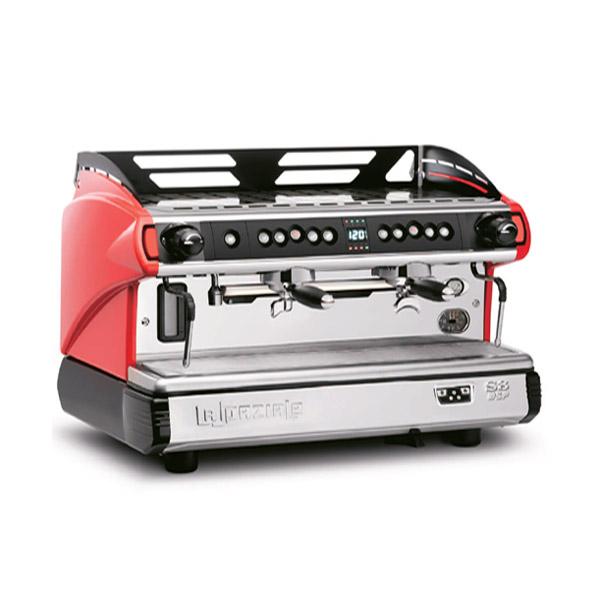
Walking into an appliance store or browsing online can feel overwhelming when it comes to selecting a home brewing device. With dozens of brands, features, and price points to compare, it's easy to end up more confused than when you started. This guide breaks down the essentials of buying an automatic coffee machine so you can make a confident, informed decision that fits both your lifestyle and your budget.
Before comparing specific models, it helps to understand your own drinking patterns.
A person who enjoys a single cup each morning has very different needs than someone hosting guests regularly or running a small office. Estimating daily and weekly consumption helps narrow down reservoir size and bean hopper capacity.
Espresso lovers need machines with strong pressure systems, while those who prefer milder drip-style coffee may prioritize different features entirely. Some households want both options in one unit, which narrows the field considerably.
Once you know your habits, it's time to look at the technical side of things.
Not all grinders are equal. Ceramic burr grinders tend to last longer and produce more consistent particle sizes than blade-style alternatives, directly affecting flavor extraction.
If lattes or cappuccinos are part of your routine, check whether the appliance includes an automatic milk frother or requires manual steaming. Automatic systems save time but may need more frequent cleaning to avoid residue buildup.
Built-in filters can significantly improve taste by reducing chlorine and mineral content in tap water. This feature also extends the lifespan of internal components by minimizing scale buildup.
Price ranges vary widely, and understanding what you're paying for helps avoid both overspending and disappointment.
Basic models typically cover the fundamentals brewing, timed settings, and simple maintenance alerts. These are ideal for first-time buyers or smaller households with straightforward needs.
Higher-tier appliances often add customizable user profiles, advanced grind settings, and app connectivity. While pricier upfront, they can offer better long-term value through durability and expanded functionality.
Counter space is often overlooked until the appliance arrives.
Take precise measurements of available counter space, including height clearance for opening the top hopper or water reservoir. Some models require several inches of clearance above for lid access.
Compact designs sometimes sacrifice reservoir size or grinder capacity. Weigh the trade-off between saving counter space and needing to refill more often.
A appliance's long-term value depends heavily on how easy it is to maintain.
Hard water areas may require more frequent descaling cycles. Check whether the machine has a built-in reminder system and how straightforward the process is.
Before purchasing, research whether replacement filters, gaskets, or grinder burrs are readily available and reasonably priced. Some brands make parts difficult to source after a few years.
Online reviews can be helpful, but they require careful interpretation.
A single negative review might reflect a manufacturing defect rather than a widespread issue. Focus on recurring themes across multiple reviews rather than isolated complaints.
Someone reviewing a machine after one week of use has a different perspective than someone who has owned it for two years. Long-term reviews often reveal durability issues that short-term ones miss.
Don't overlook the fine print when finalizing a purchase decision.
Compare warranty periods across brands, and check whether they cover parts, labor, or both. Some manufacturers offer extended coverage for an additional fee, which may be worthwhile for premium models.
If something goes wrong, having access to a nearby repair center can save significant time and shipping costs compared to sending a unit back to the manufacturer.
Energy efficiency ratings are increasingly displayed on appliance packaging and should factor into your decision, especially for machines used multiple times daily.
Some models draw more power in standby mode than others. Look for automatic shut-off features that reduce unnecessary energy use when the appliance isn't in active use.
After narrowing down your options based on habits, features, budget, and maintenance considerations, it often helps to test a machine in person if possible. Many appliance retailers offer demo units where you can sample the resulting coffee before committing to a purchase.
Specifications matter, but the final test is always how the coffee tastes to you personally. Don't let marketing claims override your own sensory experience during a demo or trial period.
Selecting the right home brewing appliance doesn't have to be stressful. By understanding your habits, comparing key features, and reading reviews with a critical eye, you can find a machine that fits seamlessly into your daily routine for years to come. And if your taste for tradition runs deep, don't overlook the charm of a turkish coffee maker machine, which offers a wonderfully different brewing experience for those special, slower mornings.