English
 Arabic
 French
 Spanish
 Portuguese
 Deutsch
 Turkish
 Dutch
Dutch
 Italiano
 Russian
 Romaian
 Portuguese (Brazil)
 Greek
Greek
Breaker Solutions by Jawad Electric: Reliable Electrical Protection for Modern Systems
Other |
2026-06-20 09:23:12
 Advertise With Us
 About Us
 Terms And Conditions
 سياسة الخصوصية
عرض كل النتائج
سياسة الخصوصية
عرض كل النتائج

ترقية الحساب
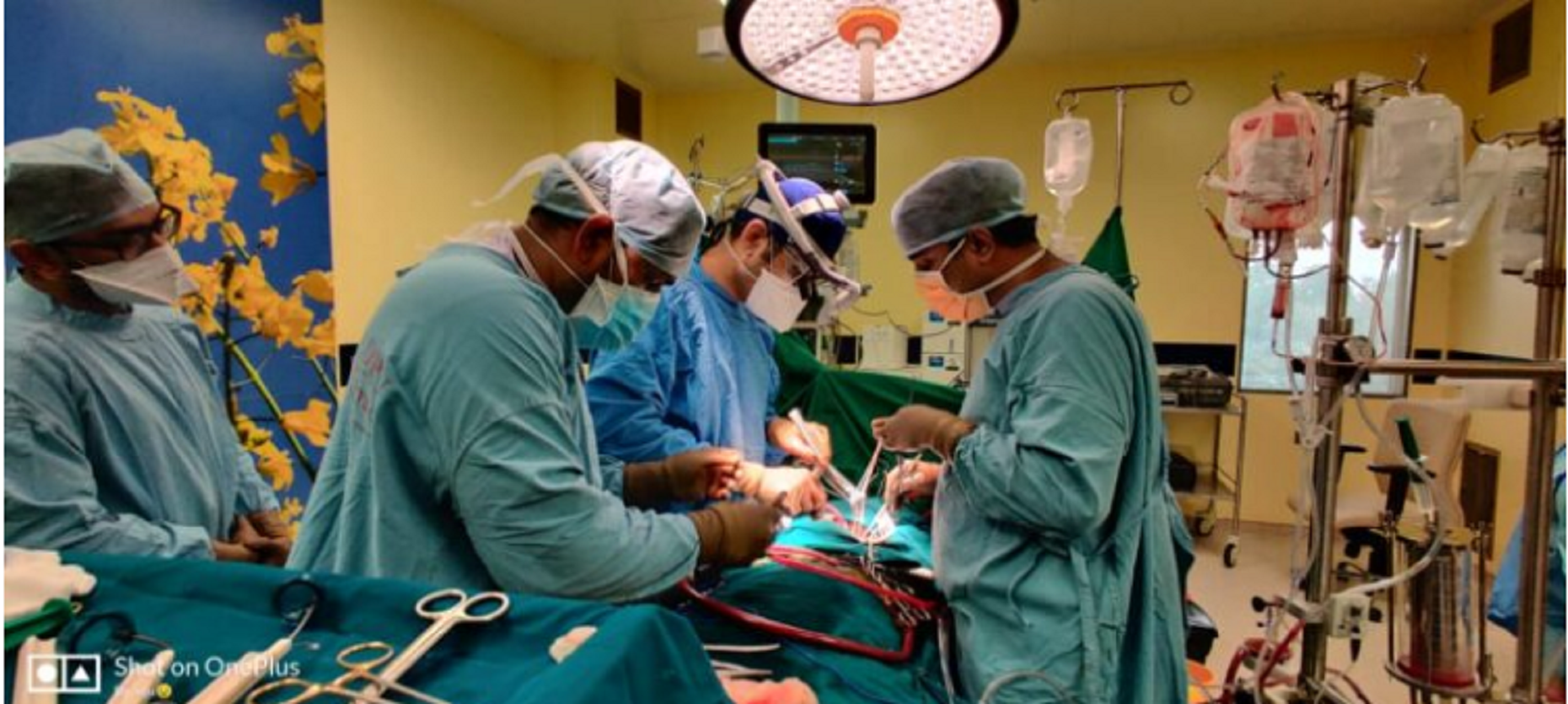
A pulmonary embolism (PE) occurs when a blood clot—usually originating in the deep veins of the legs (Deep Vein Thrombosis or DVT)—travels through the bloodstream and lodges in the pulmonary arteries of the lungs. While many pulmonary embolisms can be managed using blood thinners or clot-dissolving medications (thrombolytics), massive or high-risk embolisms require immediate emergency intervention. In cases where medication is contraindicated or ineffective, pulmonary embolectomy surgery serves as a vital, life-saving open-chest procedure designed to physically remove the obstruction and restore critical blood flow.
Performing high-risk emergency cardiovascular procedures demands an exceptional level of surgical mastery, speed, and critical care capability. Dr.Ashish Dolas is one of the Best Cardiac Surgeon In Pune and has cured many patients problem with his guidance. In critical medical situations involving severe hemodynamic instability, having access to experienced surgical leaders makes a profound difference in emergency survival rates and long-term recovery outcomes.
Emergency intervention becomes necessary when a massive clot severely obstructs the main pulmonary artery trunk or its primary branches. This creates a severe blockage, leading to right ventricular strain, sudden heart failure, and acute circulatory collapse.
Key indications for surgical embolectomy include:
Massive Pulmonary Embolism with Instability: Patients presenting with severe low blood pressure (hypotension), cardiogenic shock, or cardiac arrest.
Contraindications to Thrombolysis: Patients who cannot safely receive clot-busting drugs due to recent surgery, stroke, active bleeding, or intracranial trauma.
Failed Thrombolytic Therapy: Cases where thrombolytic medications have failed to dissolve the clot and the patient continues to deteriorate clinically.
Clots in Transit: The presence of a large blood clot trapped in the right chambers of the heart moving toward the lungs.
Emergency pulmonary embolectomy surgery is a highly complex procedure performed under general anesthesia. It requires the use of a heart-lung bypass machine (extracorporeal circulation) to temporarily take over the functions of the heart and lungs, allowing the surgeon to operate on a still, bloodless field.
Median Sternotomy: The surgeon makes an incision down the center of the chest through the breastbone to gain direct access to the heart and main pulmonary arteries.
Cannulation and Bypass: The patient is connected to the heart-lung machine, which oxygenates the blood and pumps it back through the body, maintaining vital organ perfusion.
Arteriotomy and Clot Removal: An incision is made directly into the main pulmonary artery. The surgeon carefully uses specialized forceps, suction devices, and catheters to extract large, branched blood clots (often referred to as "saddle emboli").
Inspection and Closure: The pulmonary arteries are inspected to ensure clear blood flow into both lung fields before closing the vessel and gradually weaning the patient off the heart-lung machine.
Because surgical embolectomy involves open-heart techniques and cardiopulmonary bypass, the outcome relies heavily on the skill and speed of the operating team. One of the Best Cardiac Surgeon In Pune With 1500 open heart surgeries and having 15+years of experience - Dr. Ashish Dolas possesses the deep technical mastery required to perform high-stakes operations under emergency conditions.
Surgeons with extensive open-heart experience can efficiently manage cardiopulmonary bypass, navigate delicate pulmonary tissue, and mitigate complications such as right ventricular dysfunction or reperfusion lung injury, significantly raising success rates for critically ill patients.
Postoperative care following open embolectomy takes place in an Intensive Care Unit (ICU), where cardiac performance, oxygenation, and fluid balance are continuously monitored. Once stabilized, patients begin a comprehensive recovery plan that includes:
Anticoagulation Therapy: Long-term use of oral blood thinners to prevent new clot formation.
IVC Filter Placement: In select cases, an Inferior Vena Cava (IVC) filter may be placed to catch future clots before they can reach the lungs.
Cardiac and Pulmonary Rehabilitation: Guided physical therapy helps rebuild cardiorespiratory endurance and overall physical strength safely.
Massive pulmonary embolism is a life-threatening medical emergency, but pulmonary embolectomy surgery provides a crucial line of defense when conservative therapies are insufficient. Timely surgical intervention physically clears arterial blockages, relieves heart strain, and restores systemic circulation. Supported by the extensive experience and surgical leadership of Dr. Ashish Dolas, patients facing acute cardiovascular emergencies receive the advanced care required to overcome critical illness and achieve long-term recovery.
Visit for more info :- https://www.drashishdolas.com/pulmonary-embolectomy-surgery/