English
 Arabic
 French
 Spanish
 Portuguese
 Deutsch
 Turkish
 Dutch
Dutch
 Italiano
 Russian
 Romaian
 Portuguese (Brazil)
 Greek
Greek
Why a Freelance Web Designer Singapore Is the Ideal Choice for Growing Businesses
Other |
2026-06-20 09:55:24
 Advertise With Us
 About Us
 Terms And Conditions
 Politique de confidentialité
Tout voir
Politique de confidentialité
Tout voir

Mise à niveau vers Pro
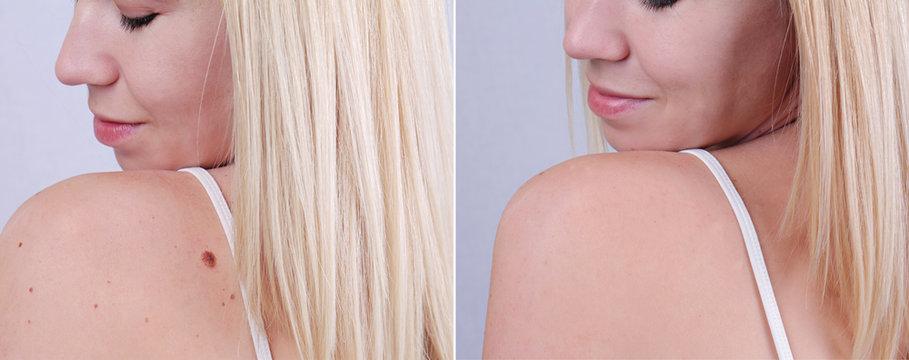
Hemangiomas are among the most common benign vascular tumors that develop during infancy, characterized by a rapid growth phase followed by a slow, natural regression. However, not all hemangiomas resolve completely on their own, and lingering discoloration, textural changes, or residual tissue can persist into childhood and adulthood. For individuals and parents seeking clinical solutions, Birthmark removal in Jeddah offers specialized dermatological and vascular care utilizing advanced laser systems and medical management to safely flatten, lighten, and clear these distinct vascular marks.
Hemangiomas possess a unique biological lifecycle that sets them apart from other types of birthmarks, requiring careful timing when considering professional intervention.
Rapid Proliferating Phase: Typically appearing in the weeks following birth, hemangiomas often exhibit a rapid period of growth, expanding in surface area, thickness, and bright red color.
Involution Phase: Over the course of several years, these vascular tumors naturally enter a resting and shrinking phase, gradually fading to a duller red, grey, or white color as blood vessels slowly regress.
Residual Lesions: Even after complete involution, many hemangiomas leave behind stretched skin, fibrous fatty tissue, or persistent superficial blood vessels (telangiectasias) that benefit greatly from modern dermatological refinement.
While watchful waiting was once the standard recommendation for all hemangiomas, modern medicine favors proactive intervention under specific circumstances.
Functional Impairment: Hemangiomas located near sensitive areas such as the eyes, nose, lips, or airway require immediate medical evaluation to prevent obstruction of vision, breathing, or feeding.
Ulceration and Bleeding: Rapidly growing hemangiomas can break down on the surface, causing painful open sores, bleeding, and a heightened risk of secondary infection.
Cosmetic and Psychological Concerns: Persistent vascular remnants on the face or neck that fail to fade completely can impact self-esteem, prompting patients or parents to seek corrective laser therapy.
When managing residual hemangiomas or treating active lesions that require intervention, dermatologists rely on precise, energy-based technologies.
Pulsed Dye Lasers (PDL): These gold-standard vascular lasers emit specific wavelengths absorbed directly by hemoglobin, safely collapsing the stubborn micro-vessels feeding the residual hemangioma without damaging surrounding skin.
Nd:YAG Lasers: For deeper, thicker vascular components, longer-wavelength lasers penetrate deeper into the dermis to target and coagulate larger underlying blood vessels effectively.
A structured, patient-specific approach ensures safe and progressive clearance of vascular birthmarks.
Comfort and Protection: Topical numbing creams and specialized skin-cooling devices ensure high levels of comfort during the procedure.
Healing Timeline: Mild swelling or purpura (temporary bruising) may occur following vascular laser sessions, resolving naturally within a week as the body clears the treated tissue.
Long-Term Outcomes: With a series of carefully spaced treatments, patients achieve a smoother skin texture and a significantly more uniform, natural skin tone.