English
 Arabic
 French
 Spanish
 Portuguese
 Deutsch
 Turkish
 Dutch
Dutch
 Italiano
 Russian
 Romaian
 Portuguese (Brazil)
 Greek
Greek
The Complete Seasonal Outboard Motor Maintenance Guide for Florida's Climate
Crafts |
2026-07-11 18:32:32
 Advertise With Us
 About Us
 Terms And Conditions
 Privacy Policy
Ver Todo
Privacy Policy
Ver Todo

Upgrade to Pro
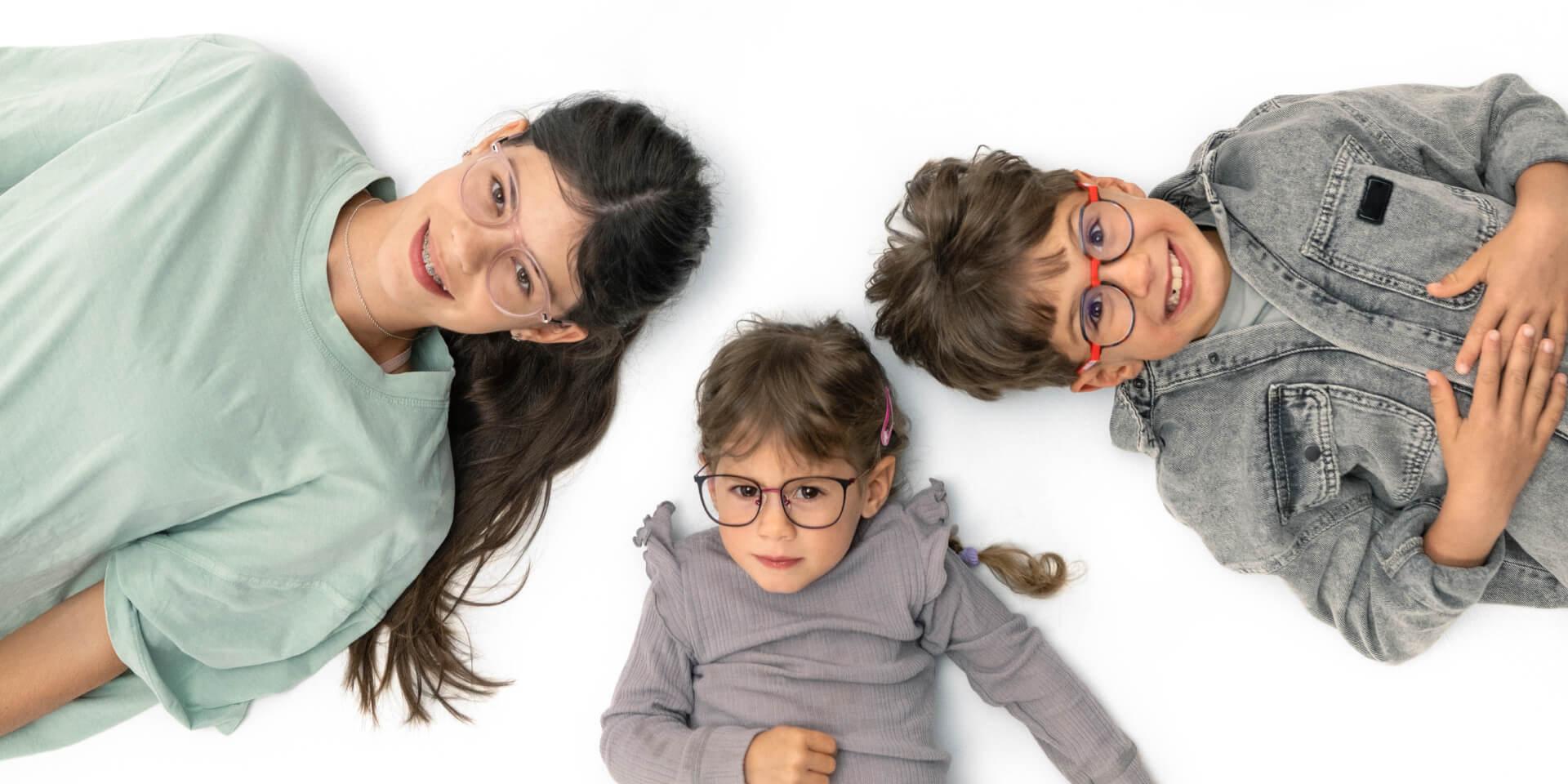
Nearsightedness is one of the most common vision conditions affecting children today. Known clinically as myopia, it causes blurry distance vision while near objects remain clear. The condition typically begins during school-age years and worsens progressively. Without effective intervention, the prescription can increase significantly each year. Understanding how to slow this progression protects children's long-term eye health.
Children's eyes are still actively growing and developing. This biological growth makes the eye especially susceptible to elongation. When the eye grows too long from front to back, myopia results. Light entering the eye focuses in front of the retina rather than on it. The longer the eye grows, the worse the prescription becomes.
Growth spurts during school years often coincide with faster myopia increases. Children between the ages of six and fourteen are particularly vulnerable. Each year of unmanaged progression adds to the cumulative prescription burden. High myopia significantly increases the risk of serious eye disease. Retinal detachment, glaucoma, and macular degeneration all become more likely.
Modern lifestyles contribute significantly to accelerating myopia. Children spend more time on screens than any previous generation. Reduced outdoor time removes the natural protective benefit of bright light. Extended near work places continuous visual stress on developing eyes. Each of these factors compounds the genetic risk already present in susceptible children.
Research consistently shows that outdoor time slows myopia progression. Natural daylight triggers dopamine release in retinal tissue. This dopamine inhibits the axial elongation driving prescription increases. At least two hours of outdoor activity daily is widely recommended. This simple behavioral change is supported by extensive international research.
Several clinically validated approaches are available for managing myopia in children. Each targets the biological mechanism of axial eye elongation differently. Optical approaches modify the visual signals reaching the retina. Pharmaceutical approaches work through neurochemical or tissue-based pathways. A comprehensive management plan often combines both approaches for best results.
The goal of all these approaches is the same. Slowing how quickly the eye grows limits how high the final prescription becomes. A lower adult prescription reduces the lifetime risk of serious complications. Every diopter of reduction carries meaningful clinical significance. Parents who understand this act earlier and more decisively.
Orthokeratology uses specially designed rigid contact lenses worn during sleep. These lenses gently reshape the corneal surface overnight. The effect provides clear daytime vision without any lenses required during the day. The corneal reshaping also alters how light signals reach the peripheral retina. This peripheral effect is clinically associated with reduced axial elongation rates.
Research on orthokeratology consistently shows meaningful slowing of eye growth. Children who wear these lenses show significantly less axial elongation over time. They are particularly popular for active children and athletes. Daytime freedom from lens wear is a major practical advantage. Consistent nightly wear is essential for both the corrective and therapeutic benefits.
Low-dose atropine eye drops have been studied extensively in pediatric myopia management. Concentrations between 0.01% and 0.05% show meaningful clinical effectiveness. Side effects at these low concentrations are minimal and well-tolerated. Children typically instill the drops once each evening before sleep. The drops are believed to act on retinal receptors that regulate axial growth.
Many optometrists combine atropine drops with optical interventions. The combination targets multiple pathways simultaneously. Children who show fast progression respond especially well to combined approaches. Monitoring at regular intervals ensures the treatment is achieving its intended effect. Dosage adjustments can be made based on observed axial length changes.
A key discovery in myopia research involves the peripheral retina. Standard corrective lenses focus the central image clearly. However, they leave the peripheral retina receiving a myopic blur signal. This peripheral signal may encourage continued axial eye growth. Addressing peripheral focus is now a central principle of modern myopia management.
Myopia control contact lenses are specifically engineered to address this peripheral defocus issue. They use concentric optical zones that simultaneously correct central and peripheral focus. The peripheral zones create controlled myopic defocus across the retinal field. This signal communicates to the eye that further elongation is unnecessary. Multiple international clinical trials confirm their effectiveness in reducing progression rates.
Daily disposable formats are ideal for most children. They require no cleaning routine and offer maximum hygiene each day. Children adapt to soft contact lens wear more easily than many parents expect. Most children demonstrate confident insertion and removal within the first week. An experienced optometrist guides the entire fitting and education process carefully.
Clinical interventions work best alongside supportive lifestyle changes. Outdoor time is the most evidence-supported behavioral intervention available. The intensity of natural light far exceeds indoor lighting in protective value. Even overcast outdoor days provide meaningful light intensity compared to indoors. Two hours outdoors daily is the minimum recommendation for most myopia management programs.
Near work management is equally important for reducing progression risk. Encouraging regular breaks during reading, homework, and screen use makes a difference. The 20-20-20 rule is an easy habit for children to adopt. Every 20 minutes, pause near work and focus on something 20 feet away. Hold the gaze for 20 seconds before returning to close tasks.
The physical environment at home affects how much visual stress children experience. Adequate lighting for reading and homework reduces accommodative demand. Proper working distances, ideally around 30 centimeters, reduce near vision strain. Minimizing recreational screen time supports overall ocular health. These environmental adjustments complement clinical treatment without additional cost.
Effective myopia management is a long-term commitment requiring regular professional monitoring. Axial length measurements at each visit track physical eye growth accurately. This measurement is more informative than refractive changes alone. A stable axial length confirms the treatment is working as intended. An increasing measurement may indicate a need for plan adjustment.
Annual appointments are the minimum for most myopia management patients. Children with faster progression may need visits every six months. At each visit, the optometrist reviews measurements and adjusts the plan if needed. Parents receive clear updates on their child's progress. This transparency builds confidence and supports continued commitment to treatment.
The combination of clinical treatment, behavioral modifications, and consistent monitoring produces the best outcomes. Parents who act early and stay engaged give their children the greatest advantage. The years spent in active management during childhood pay lifelong dividends in visual health.